
Why Do UFC Fighters Get Cauliflower Ear? What Data Shows
Why do UFC fighters get cauliflower ear? Studies of 1,632 judokas and hundreds of wrestlers explain the cause, risks, prevention and treatment.

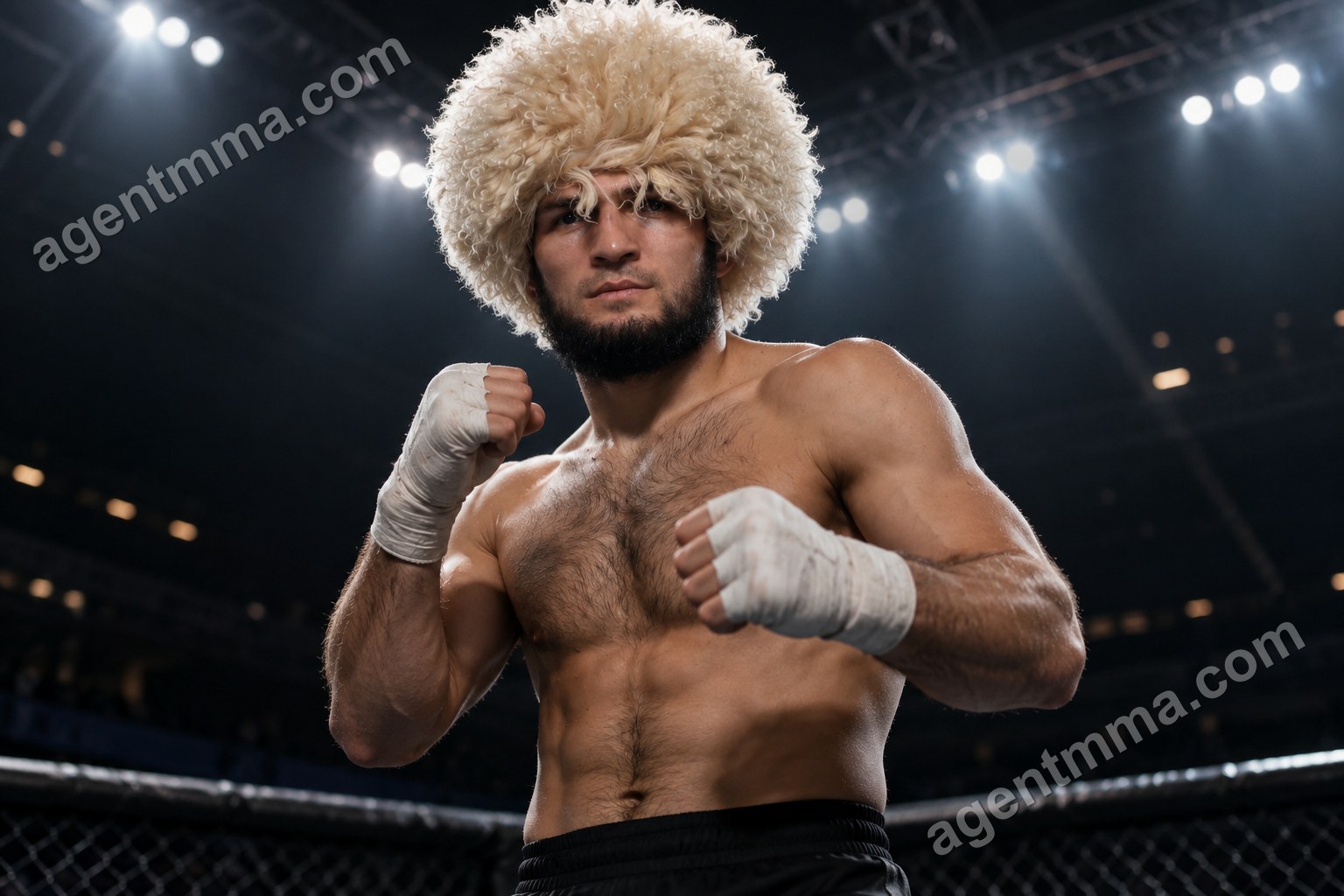
Quick answer
UFC fighters get cauliflower ear when blows, rubbing or crushing forces damage the outer ear. Blood then collects between the cartilage and its nourishing tissue layer. If that pocket isn't treated well, the cartilage can lose its blood supply. Scar tissue and new cartilage form unevenly, leaving the ear thick and lumpy. Wrestling and other grappling training create repeated chances for this injury. Yet no study has measured cauliflower ear across the whole UFC roster, so any UFC prevalence claim would be guesswork.
Data snapshot: The main athlete studies published from 1989 to 2023 include 1,632 elite judokas, 63 Finnish wrestlers and judokas, and audiometry in 340 wrestlers. No UFC-wide prevalence study exists.
What actually happens inside a cauliflower ear?
The visible deformity starts as an auricular hematoma: blood pooled inside the outer ear after trauma.
Ear cartilage has no direct blood supply. It depends on a thin surrounding layer called the perichondrium for oxygen and nutrients. A blunt impact or shearing force can separate those layers. Blood fills the new space and pushes them farther apart.
Starved cartilage can die, while healing lays down fibrous tissue and new cartilage. This uneven repair leaves permanent ridges, knots and thickened areas.
One hard strike can cause a hematoma. Repeated smaller injuries can too. Training on a swollen ear adds trauma before the layers heal.
This distinction matters: a fresh, soft swelling is an injury that needs medical assessment. A firm, old cauliflower ear is the healed deformity left behind. Waiting for it to harden removes easier treatment options.
Why does MMA training put ears at risk?
MMA combines the main types of contact that can injure an ear. Striking brings direct impact. Wrestling, judo and Brazilian jiu-jitsu add prolonged pressure, friction and sideways force.
During grappling, an ear can drag across a shoulder, forearm, torso or mat. Those movements fit the shearing mechanism in clinical reviews. More mat hours bring more chances for injury.
That explains the visual link between cauliflower ear and grappling-heavy MMA. ESPN documented that link through wrestlers and UFC fighters such as Bo Nickal and Michael Chandler. Their appearance still isn't a measure of skill.
Competition is only part of the exposure. Fighters spend far more time training than fighting. UFC bout records can't capture that hidden load.
Can a punch cause cauliflower ear?
Yes. Direct trauma can tear small blood vessels and start an auricular hematoma. ESPN documented a severe example in Leslie Smith's 2014 UFC fight, when her damaged ear ruptured after a strike.
That scene was unusual. A swollen or deformed ear can catch another blow, but permanent damage doesn't require a dramatic rupture.
Is grappling the bigger source of exposure?
The prevalence research comes mostly from wrestling and judo. Grappling is the clearest documented setting, but studies don't separate each cause inside MMA.
Bo Nickal offers a useful cultural example. ESPN reported that the lifelong wrestler understood cauliflower ear as a visible sign of time on the mat from childhood. That attitude can change treatment choices. It doesn't turn the injury into proof of ability.
How common is cauliflower ear in combat sports?
There is no honest UFC percentage. The strongest available numbers cover elite judokas and wrestlers, not a mixed roster of MMA fighters.
The studies show that the injury can be common in high-exposure grappling groups. One headline percentage still isn't enough.
| Study | Athletes studied | Main finding | Main caution |
|---|---|---|---|
| Nitsch and colleagues, 2023 | 1,632 elite judokas | 55.5% had a visible cauliflower-ear deformity | Researchers judged profile images, not clinical examinations |
| Manninen and colleagues, 2019 | 63 elite Finnish wrestlers and judokas | 46 of 55 men had it; none of 8 women did | The female sample was only eight athletes |
| Schuller and colleagues, 1989 | Wrestlers | 208 athletes, or 39%, reported permanent ear deformity | Self-report and older wrestling conditions limit modern comparisons |
| Noormohammadpour and colleagues, 2015 | 340 wrestlers | Compared 201 with cauliflower ear against 139 without it | Observational data cannot prove the deformity caused other problems |
Nitsch's photo review found deformity in 55.5% of 1,632 elite judokas. It was more common and severe among men. Age and ranking also tracked with deformity.
Older, higher-ranked athletes may have accumulated more training and ear trauma. The design cannot prove that age or rank directly changes ear tissue.
The Finnish study found an even higher male rate: 46 of 55 men, or 84%. None of eight women had the condition. Eight is far too small a female group for a broad sex claim. Training history, contact, treatment and equipment could all differ.
Cauliflower ear appears common in several elite grappling samples. We don't know its rate among UFC fighters, other MMA athletes or casual gym members.
Does headgear reduce cauliflower ear risk?
The best direct evidence points toward partial protection, not a guarantee. Schuller's 1989 wrestler study compared ear injuries reported with and without headgear.
Auricular hematoma was reported by 26% of headgear users and 52% of wrestlers without it. Injuries that led to permanent deformity occurred in 10.6% with headgear and 26.6% without it.
Those gaps are large. They support properly fitted ear protection during wrestling practice. They don't prove that every modern product cuts risk by the same amount.
The study is old, and athletes weren't randomly assigned protection. Fit, training style and past injuries could affect the comparison.
Still, this is more useful than gym folklore. Protection reduces direct rubbing and impact, while early medical care addresses injuries that still occur. The two measures work at different stages.
Is cauliflower ear a badge of skill?
No. It records ear trauma and healing, not competitive level.
The culture is real. In the Finnish sample, 41% of affected athletes considered the deformity desirable. None said they regretted it. ESPN described how wrestlers can treat it as proof of mat time.
That signal is unreliable. A skilled striker may never receive the right kind of ear trauma. A beginner can develop a hematoma early. Another athlete may use headgear or seek prompt care after every injury.
Treatment choices add another bias. In Manninen's sample, 96% of affected athletes had sought treatment. Needle aspiration was reported by 96%, yet 76% received treatment from someone outside healthcare. Only one athlete reported successful treatment.
Those figures don't show that medical treatment fails. Reported care was often informal and may have lacked proper compression or follow-up.
Can cauliflower ear cause pain, infection or hearing loss?
It can cause more than a cosmetic change. In the Finnish study, 96% of affected athletes reported at least one symptom, usually pain.
Clinical reviews also list infection and narrowing of the ear canal as possible complications. Canal blockage can interfere with sound transmission. Yet that doesn't mean every thickened ear causes measurable hearing loss.
The 2015 Tehran study gives the best direct comparison in these sources. Researchers tested 201 wrestlers with cauliflower ear and 139 without it. Hearing loss on pure-tone audiometry was more common in the cauliflower-ear group.
Cause remains uncertain. The impacts may also damage hearing, or affected athletes may simply have greater lifetime exposure.
Past ear infection was reported by 8.4% of wrestlers with the deformity and 4.9% without it. The odds ratio was 1.86, but the result missed conventional statistical significance at p = .06. Calling that proof would overstate the finding.
Pain, warmth, worsening swelling, drainage or fever need medical attention. Hearing changes after a blow also deserve assessment. They may point to damage beyond the visible outer ear.
What should a fighter do when the ear swells?
Stop contact and get prompt care from a clinician. An ear, nose and throat specialist is appropriate for a recurrent, delayed or complicated hematoma.
Clinical management removes the blood and closes the space where it formed. Compression commonly stays for five to seven days to limit refilling.
StatPearls advises avoiding contact sports for 10 to 14 days after treatment. The exact return date depends on healing and the clinician's review. Going back while the ear remains vulnerable raises the chance of another collection.
Don't treat this as a do-it-yourself drainage job. A needle can introduce infection, miss clotted blood or injure nearby tissue. Emptying the pocket without sustained compression also lets it fill again.
Recurrence makes follow-up important. Repeated swelling may need specialist care rather than another informal attempt in the gym.
Can an old cauliflower ear be reversed?
An established deformity usually won't flatten on its own. Once scar tissue and distorted cartilage have formed, simple drainage no longer addresses the problem.
Surgical reshaping may help selected cases. Results depend on the deformity and surgeon. Continued trauma can damage the repair.
That makes timing important. Medical care for a fresh hematoma aims to preserve normal anatomy. Surgery for an old deformity tries to rebuild anatomy after healing has already changed it. Those are different tasks.
How solid is this data?
The mechanism and clinical response are well described in StatPearls reviews of auricular hematoma and cauliflower ear. The prevalence evidence is weaker and sport-specific.
Nitsch's study is large, but it scored public judo profile images. Hair, angle, lighting and image quality can hide or mimic deformity. Manninen's study used photos and questionnaires, but only 63 Finnish elite athletes took part.
Schuller's headgear findings are useful, yet they come from 1989 and rely on reported exposure. Equipment and training habits may differ today. The hearing study tested athletes directly, but its observational design leaves confounding by age and training exposure.
None of these studies sampled UFC fighters as a group. Judo and wrestling data explain why grappling creates risk. They cannot supply a UFC cauliflower ear rate.
The evidence supports three practical claims. Ear trauma can create a hematoma that heals into permanent deformity. Protective headgear appears to lower wrestling injuries. Prompt clinical treatment with compression can reduce recurrence and deformity.
FAQ
Why do so many UFC fighters have cauliflower ear?
MMA training mixes strikes with years of wrestling and grappling. Those activities expose the outer ear to blows, pressure and shearing force. Untreated or recurrent auricular hematomas can then heal into the familiar lumpy shape.
Does cauliflower ear mean someone is a good fighter?
No. It shows that the ear was injured and healed with deformity. Skill, experience, headgear use and treatment choices all vary, so the ear cannot rank fighting ability.
Can cauliflower ear be prevented?
Properly fitted ear protection can reduce wrestling-related hematomas and permanent deformity. Prompt medical assessment after swelling is the other key step. No method removes all risk while contact continues.
Should you drain cauliflower ear yourself?
No. Home drainage risks infection, incomplete removal and rapid refilling. A clinician can assess the injury, drain it when appropriate, apply compression and arrange follow-up.
Does cauliflower ear affect hearing?
It can narrow the ear canal, and one 340-wrestler study found more audiometric hearing loss among affected athletes. That observational result doesn't prove the deformity itself caused the loss.
Sources & further reading
Peer-reviewed studies and primary data behind this analysis.
- Manninen et al. 2019: Finnish wrestlers and judokas (pubmed.ncbi.nlm.nih.gov)
- Nitsch et al. 2023: elite judoka prevalence (pubmed.ncbi.nlm.nih.gov)
- Schuller et al. 1989: wrestler headgear study (pubmed.ncbi.nlm.nih.gov)
- Noormohammadpour et al. 2015: hearing loss study (pubmed.ncbi.nlm.nih.gov)
- StatPearls: Auricular Hematoma (www.ncbi.nlm.nih.gov)
- StatPearls: Cauliflower Ear (www.ncbi.nlm.nih.gov)
- ESPN: The beautiful and grotesque honor of cauliflower ear (www.espn.com)
Put the data to work
Compare any two fighters head-to-head, or see what our AI predicts for upcoming UFC fights.
More from the MMA Lab
Is Getting Choked Out in MMA Dangerous? What Data Shows
Is getting choked out in MMA dangerous? UFC and grappling studies show no clear short-term test change, but rare, serious vascular injuries.

Do UFC Fighters Perform Worse After Shoulder Injuries?
Do UFC fighters perform worse after shoulder injuries? A 27-fighter study tracks win rate, knockdowns, surgery, recurrence and return limits.

Is UFC More Dangerous Than Boxing? What Injury Data Says
Is UFC more dangerous than boxing? Compare acute injuries, loss of consciousness, concussion events and brain-health data from three real studies.

Can UFC Fighters Return After ACL Surgery? What Data Shows
UFC ACL surgery recovery data shows how often fighters return, how long it takes, and why defensive declines alone do not prove a career is over.