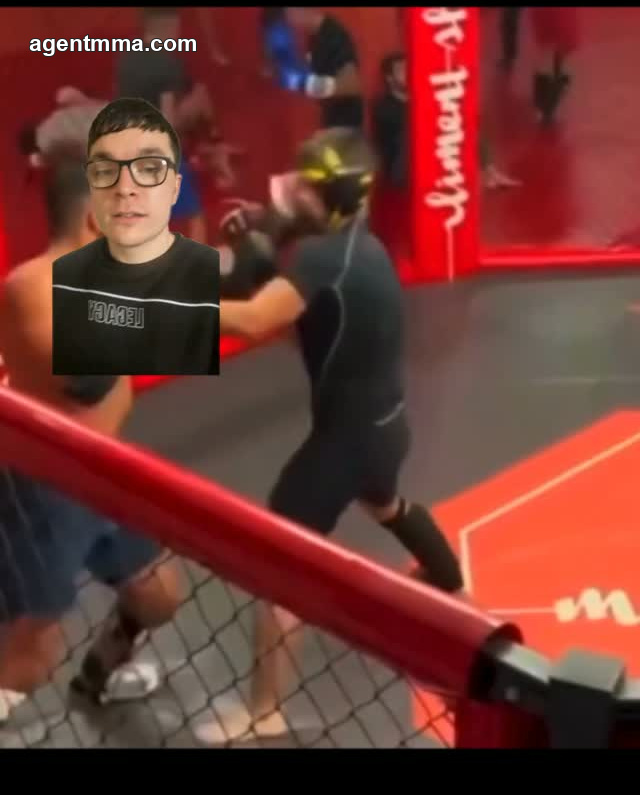

Analysis suggests Josh Hocutt has transformed from a respectful fighter into someone playing an exaggerated character. Following his Bellator 300 debut in October 2023, Hocutt thanked coaches, parents, and fans in a normal manner. However, in 2026 he has adopted a persona involving constant antics at weigh-ins and media appearances. His January interview with Ariel Helwani was described as unwatchable due to him maintaining the "crazy" character throughout. The commentary suggests Hocutt's constant theatrics are good for short-form video content but risk wearing thin with audiences. The analysis argues that moderation is needed in such performances to avoid becoming tiresome.
Media critics and fans have begun pushing back on what they see as an overblown character act from fighter Josh Hocutt, whose public behavior has shifted noticeably from his early days in the sport to his current approach in 2026.
When Hocutt made his Bellator 300 debut in October 2023, observers noted he carried himself in a straightforward, respectful manner — thanking coaches, family, and supporters in the way most fighters do after a big moment. That version of Hocutt has apparently given way to something far more theatrical. Weigh-ins, media appearances, and interviews have become stages for a sustained "crazy" persona that critics argue has grown exhausting rather than entertaining.
The criticism sharpened after Hocutt's January 2026 interview with veteran MMA journalist Ariel Helwani. Helwani, the Canadian broadcaster known for long-form fighter interviews through The MMA Hour, conducted what observers described as an unwatchable conversation due to Hocutt refusing to break from the character throughout the session. At 43, Helwani has conducted countless such interviews, and the format depends heavily on a fighter's willingness to engage authentically.

Why it matters
- Sustained character performances can generate short-form social media clips but risk alienating fans who want genuine access to athletes
- Hocutt's shift raises questions about whether the approach reflects personal branding strategy or has simply gone too far
- Long-form media like The MMA Hour is particularly ill-suited to fighters who will not drop the act, leaving audiences with little real insight
The broader analysis suggests that fighters who embrace outlandish personas are not necessarily wrong to do so — theatrics have always had a place in combat sports — but that moderation determines whether a character becomes an asset or a liability. Hocutt, the argument goes, has not yet found that balance.