
A detailed commentary piece argues that UFC press conferences have completely outlived their usefulness based on recent events. The author contends press conferences originally served two purposes: providing substantive answers to meaningful questions and revealing fighters' emotions built up during training camp. According to the analysis, the first purpose hasn't been fulfilled in many years, as sharp questions and significant non-template answers are no longer heard. While emotions occasionally surface—as they did recently—this happens only once every two or three years. The piece suggests press conferences should only be held with that same rare frequency and only when participants are willing to create some form of roast-style confrontation. The author notes that recent days proved you can gather anyone and seat them at a table, but without live conflict and exposed nerves, it becomes an event for event's sake that passes and is instantly forgotten. The commentary also addressed Josh Hawkit's behavior, acknowledging it as cringe-worthy but pointing out he was the most memorable element of the press conference. Hawkit's poetry performances, reactions from fighters like Derrick Lewis, Alex Pereira and Ilia Topuria, the mini-scuffle he provoked, and his removal from the hall (which essentially forced Dana White to wrap up and move to staredowns) dominated the event. The author concluded that while Hawkit delivers cringe, at least he's memorable—a quality now worth gold in the UFC.
A recent commentary piece has made the case that UFC press conferences have run their course, arguing they no longer serve either of the two functions that once justified their existence.

The analysis identifies those original purposes as providing substantive answers to meaningful questions and giving fighters an outlet for the emotions built up during a training camp. On the first count, the piece contends the format has failed for years — sharp questions and genuine, unscripted responses have essentially disappeared. On the second, raw emotion surfaces maybe once every two or three years, hardly a foundation for a regular institution.

The commentary's proposed solution is blunt: hold press conferences at that same rare frequency, and only when the participants are prepared to engage in some form of genuine roast-style confrontation. Without live conflict and exposed nerves, the piece argues, the event exists for its own sake — it passes, and it is instantly forgotten.

Why it matters
- Press conferences are a primary media touchpoint between the UFC and its fanbase; questioning their value has real implications for how the promotion packages fight weeks.
- The commentary frames the format as structurally broken, not merely in need of tweaking.
- The piece's observations about memorability raise a broader point about what the UFC actually needs from pre-fight media events.
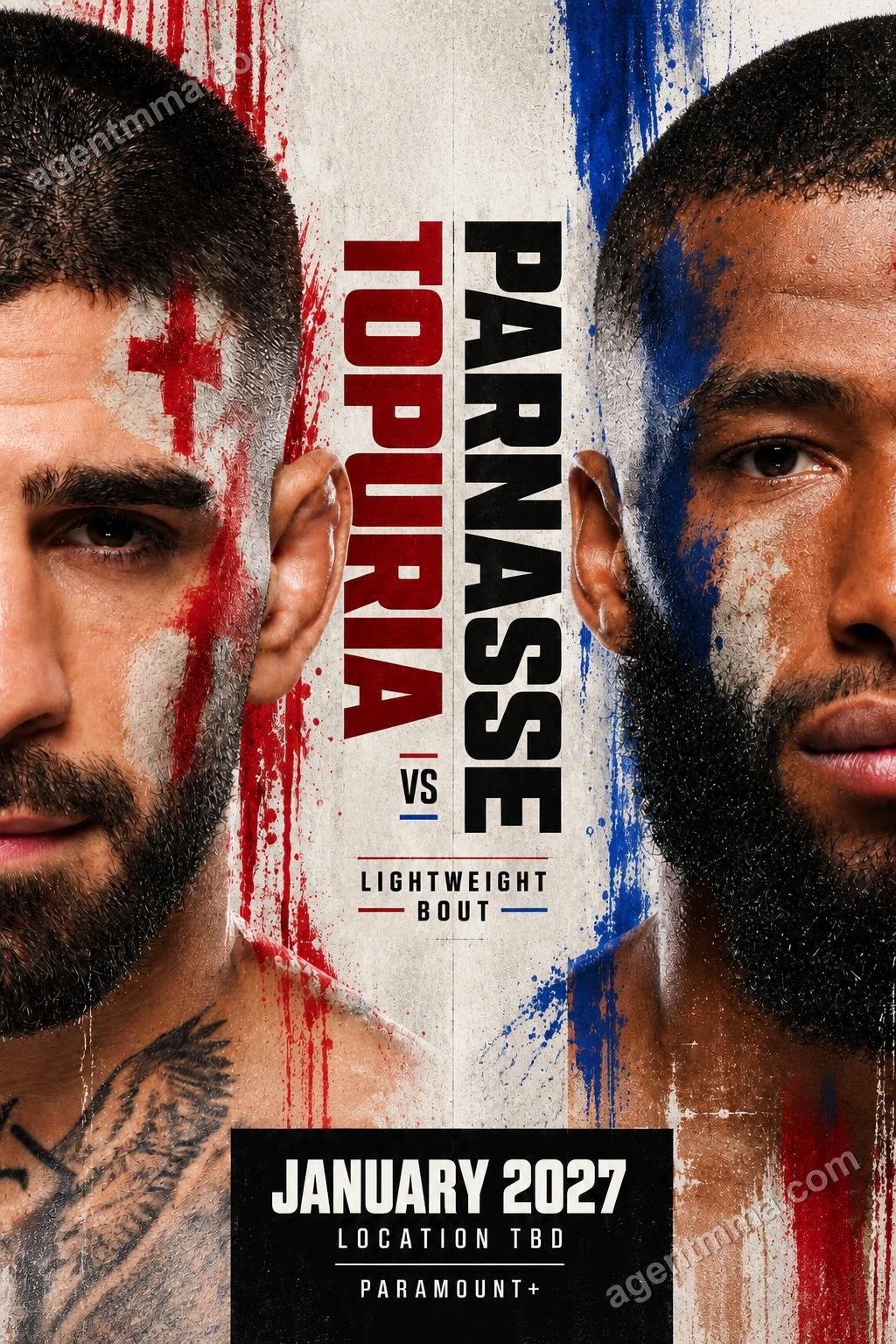
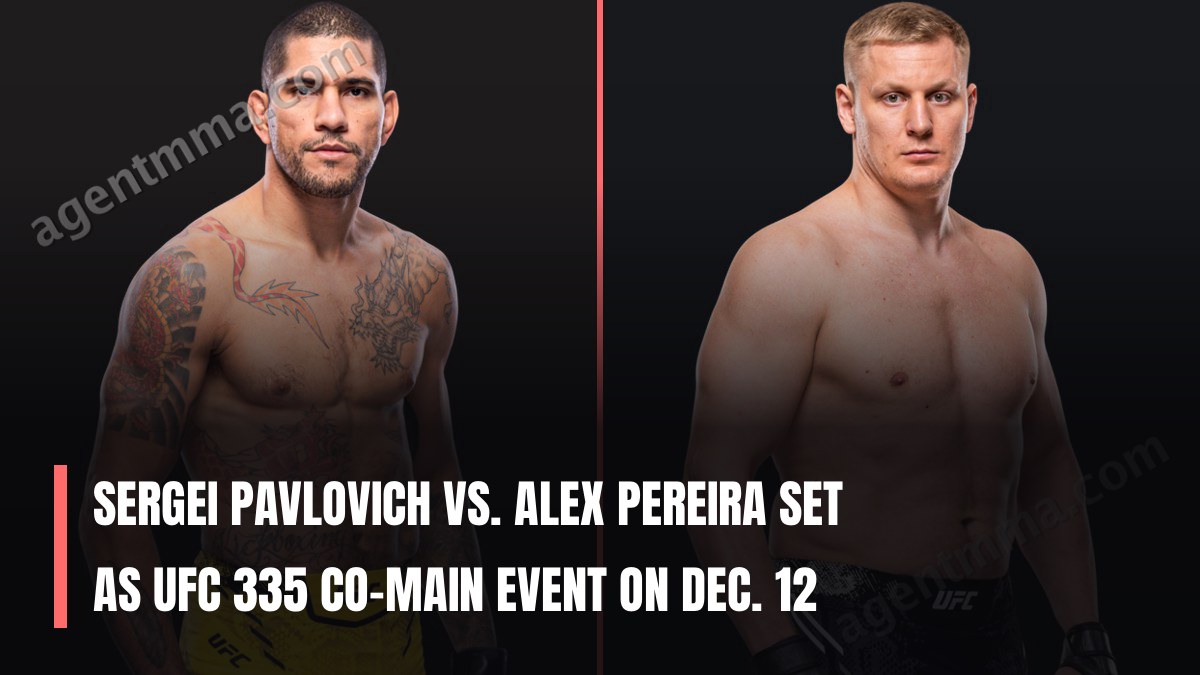
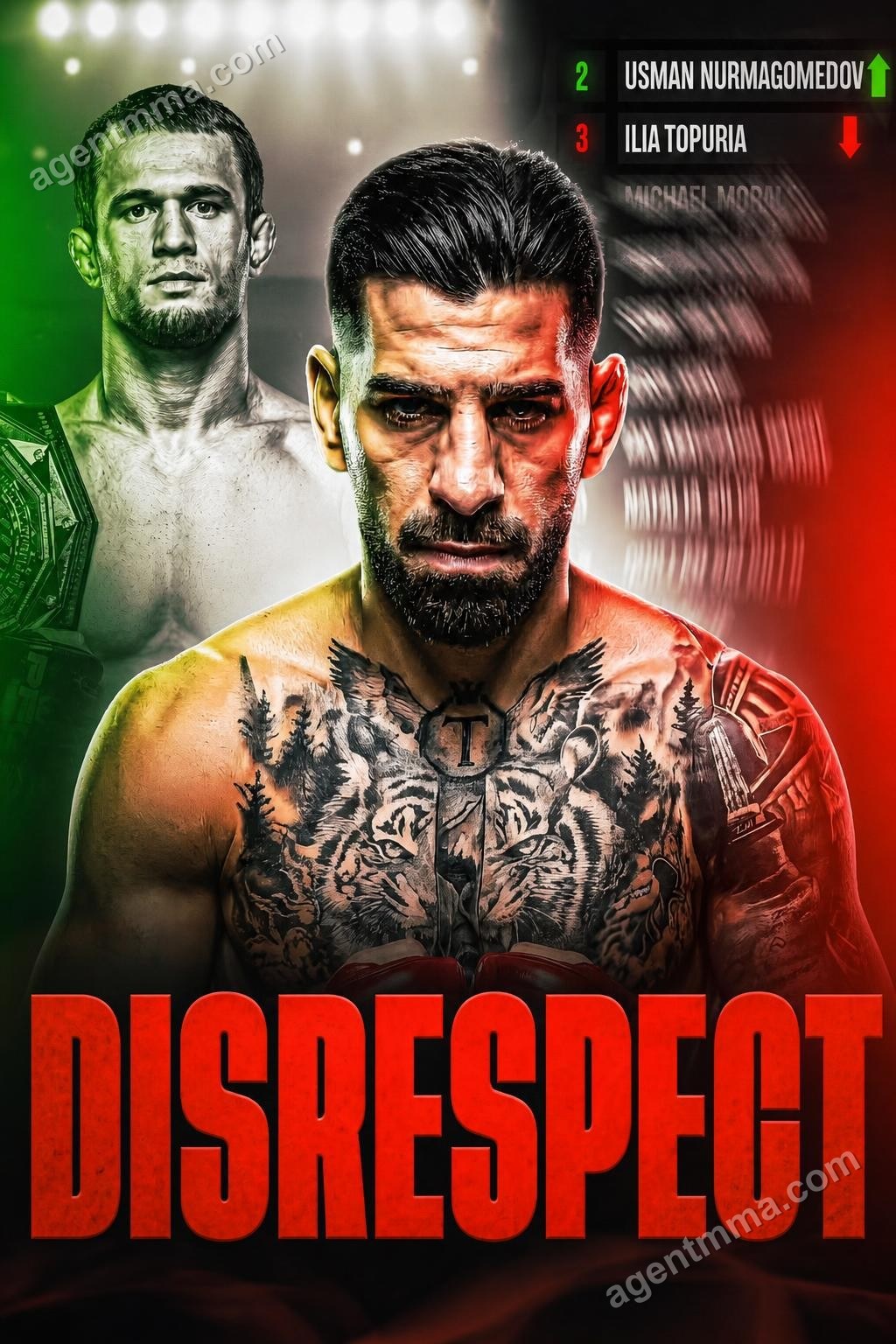
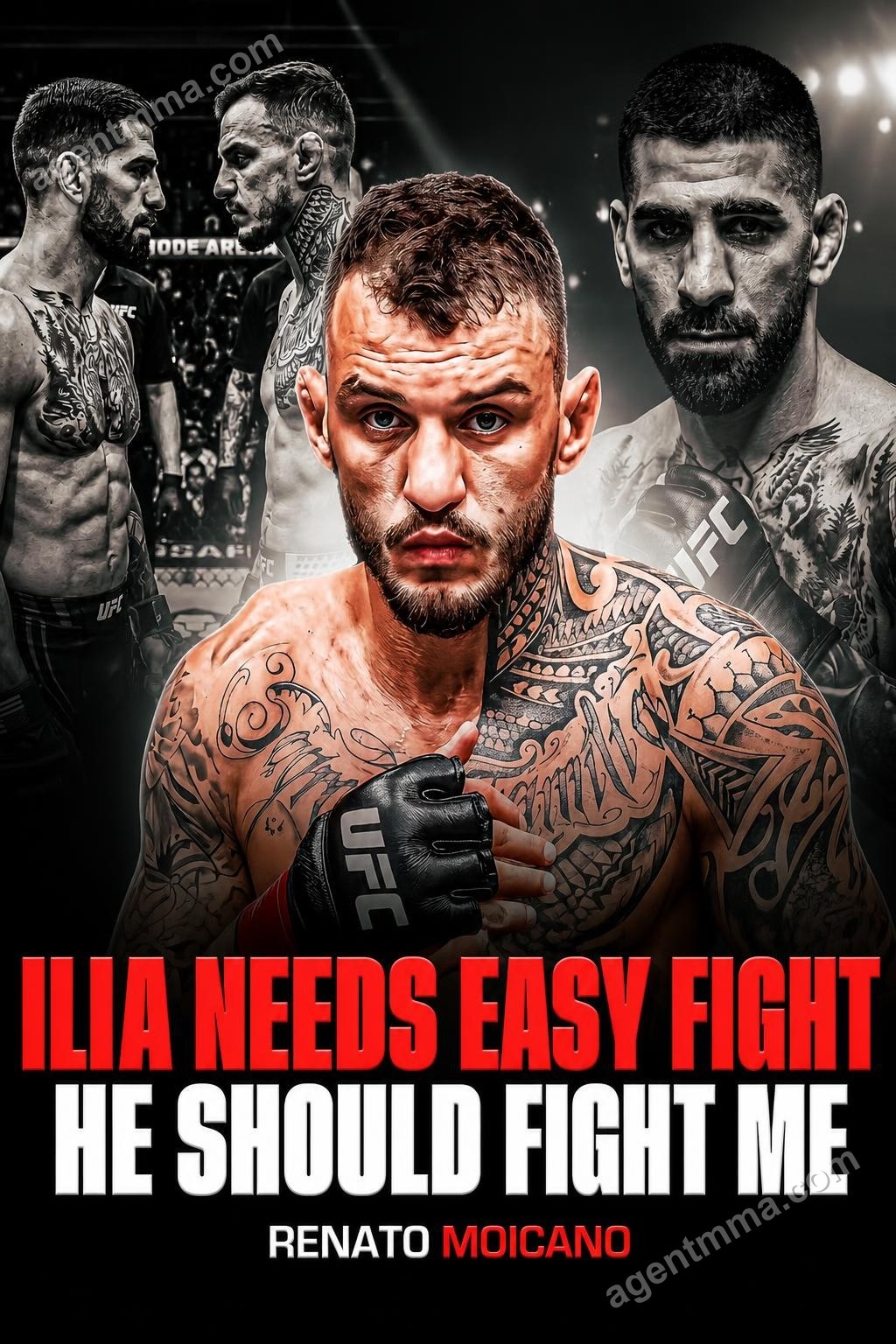
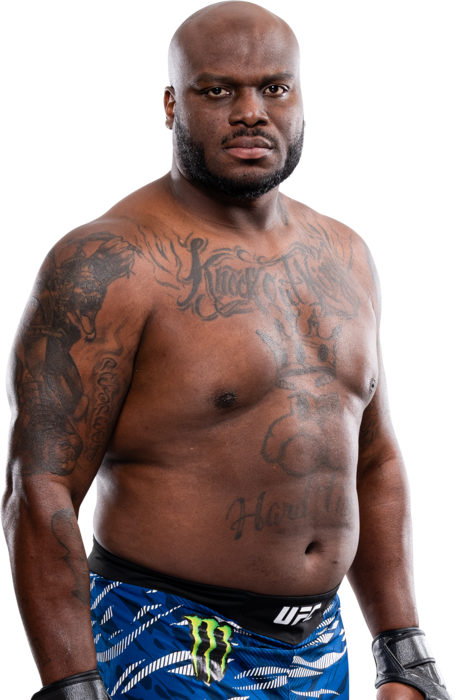
Much of the commentary focuses on a recent press conference that featured heavyweights, pound-for-pound contenders, and champions in the same room. Derrick Lewis, Alex Pereira, and pound-for-pound number-one ranked lightweight contender Ilia Topuria — who carries a 17-1 record and an orthodox stance built around 4.81 significant strikes landed per minute — were all present. So was a figure identified as Josh Hawkit, whose poetry performances and provocations generated a mini-scuffle, drew visible reactions from the fighters in attendance, and ultimately resulted in his removal from the hall — an exit that effectively forced Dana White to abandon the format and move straight to staredowns.
The author's verdict on Hawkit is double-edged: his behavior was cringe-worthy, but he was the single most memorable element of the entire event. In a media landscape where memorability has become scarce, the piece treats that as a damning indictment of everything else on the stage.