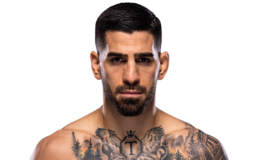
Ilia Topuria has revealed he incorporates a neurostimulation device into every training camp. The fighter uses the device for 15-minute sessions to aid mental recovery, improve sleep, and sharpen focus.
Ilia Topuria has opened up about one of the recovery methods central to his training camps, revealing that he uses a neurostimulation device for 15-minute sessions to support mental recovery, sharpen focus, and improve sleep quality.
Topuria, known as El Matador, currently holds the number-two ranking in the lightweight division and sits atop the pound-for-pound rankings. The 29-year-old Spain-based fighter carries a record of 17 wins and one loss, training out of Climent Club. Standing five-foot-seven with a 69-inch reach, he is an orthodox striker who lands 4.81 significant strikes per minute at a 48 percent accuracy rate, while also averaging nearly two takedowns per 15 minutes and regularly threatening with submission attempts.

The neurostimulation tool is not an occasional addition for Topuria — he incorporates it into every camp as a structured part of his recovery protocol. The sessions are brief, capped at 15 minutes, but the fighter credits the device with meaningful gains in the mental side of preparation, an area that increasingly separates elite competitors at the top of the sport.
Why it matters
- Topuria is the top-ranked pound-for-pound fighter, meaning any edge in his preparation carries divisional significance at lightweight
- Mental recovery and sleep optimization are directly tied to reaction time, decision-making, and durability in camp — areas that affect in-cage performance
- The disclosure adds detail to how fighters at the highest level are integrating technology-driven recovery alongside traditional training methods
- As a well-rounded fighter with high striking output and an active grappling game, sustaining sharpness through a demanding camp is particularly relevant to his style