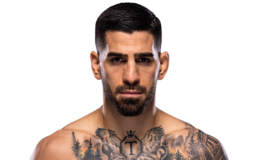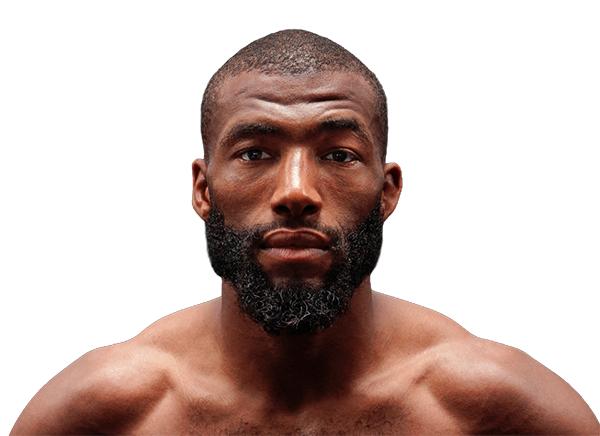
Aiemann Zahabi dismissed any notion of pressure heading into his fight with Sean O'Malley at the White House event, instead suggesting it is O'Malley who is feeling the heat given his desperate desire to score a knockout. Zahabi said beating O'Malley is his primary goal, with the White House setting making it all the sweeter.
Aiemann Zahabi says he is entering his bantamweight clash with Sean O'Malley at the White House event free of nerves, and has flipped the pressure narrative squarely onto his opponent.
Speaking ahead of the fight, Zahabi made clear that O'Malley's publicised desire to finish the contest actually works in his own favour. He framed beating O'Malley as his singular objective, adding that the high-profile White House setting only raises the stakes of achieving it.

Zahabi, 38, represents Canada and trains out of the renowned Tristar Gym in Montreal. The veteran carries a 14-3-0 record into the contest and sits ranked 14th in the bantamweight division. He lands an active 4.54 significant strikes per minute with a 47 percent accuracy rate, making him a reliable volume puncher at 173 cm tall with a 68-inch reach.
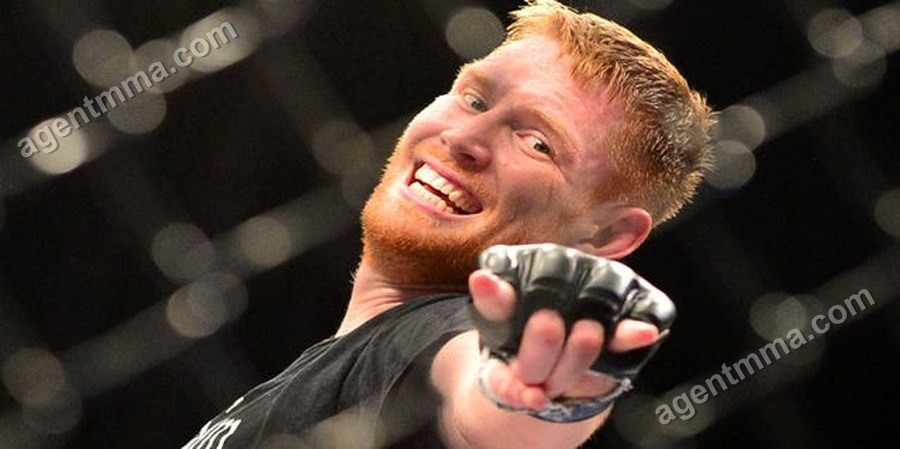
O'Malley, nicknamed Suga, is a considerably higher-profile name in the division. The 31-year-old American trains at MMA Lab and enters ranked fourth in the world at bantamweight with a record of 20-3-0. Standing five-foot-eleven with a 72-inch reach, he is a switch-stance striker who lands 6.05 significant strikes per minute at a sharp 60 percent accuracy — among the most efficient outputs in the division. He also chips in with 0.2 submission attempts per 15 minutes, suggesting some grappling threat alongside his elite standup.

Why it matters
- A Zahabi win over the fourth-ranked O'Malley would represent one of the more significant upsets in the bantamweight division this year and dramatically shift his own ranking.
- O'Malley's size and striking accuracy advantage are considerable on paper, giving Zahabi's composed mental approach a psychological dimension that could prove meaningful.
- The White House event provides a marquee backdrop, raising the visibility of both fighters and the divisional implications of the result.