The UFC has introduced a new rankings system that eliminates media voting entirely, replacing it with an algorithm where wins and quality of opposition account for 95% of a fighter's ranking. Finish bonuses provide a small boost, while inactivity penalties kick in after 18 months without a fight, and the value of a win diminishes after five years and expires entirely after ten. The new system extends rankings beyond the traditional top 15, removes pound-for-pound rankings, and allows fighters competing across multiple divisions to hold separate rankings in each. Among the notable early changes, Pat Sabatini, Nathaniel Wood, Joanderson Brito, and Jose Delgado entered the featherweight rankings, while Navajo Stirling entered the light heavyweight top 15 at No. 12.
The UFC has overhauled its fighter rankings system, replacing the long-standing media panel voting format with an algorithm-driven model that took effect around June 22, 2026.

Under the new structure, wins and quality of opposition account for 95 percent of a fighter's ranking score. Finish bonuses offer a modest additional boost, and inactivity penalties apply once a fighter has gone 18 months without competing. The value of any given win also depreciates over time, diminishing after five years and expiring entirely after ten — a significant departure from a system that had long rewarded name recognition as much as recent performance.

The changes also expand the rankings beyond the traditional top-15 cutoff, scrap the pound-for-pound lists entirely, and allow fighters active in multiple weight classes to carry separate rankings in each division.

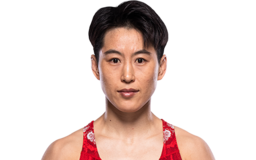
Several featherweights entered the updated rankings in the system's early results, among them Nathaniel Wood, whose case for inclusion was hard to argue against. The 33-year-old Englishman out of Great Britain Top Team carries a 23-6 record and lands 5.64 significant strikes per minute at a 51 percent accuracy rate — numbers that place him among the division's more prolific and precise strikers. Pat Sabatini, Joanderson Brito, and Jose Delgado also appeared in the featherweight rankings under the new model.

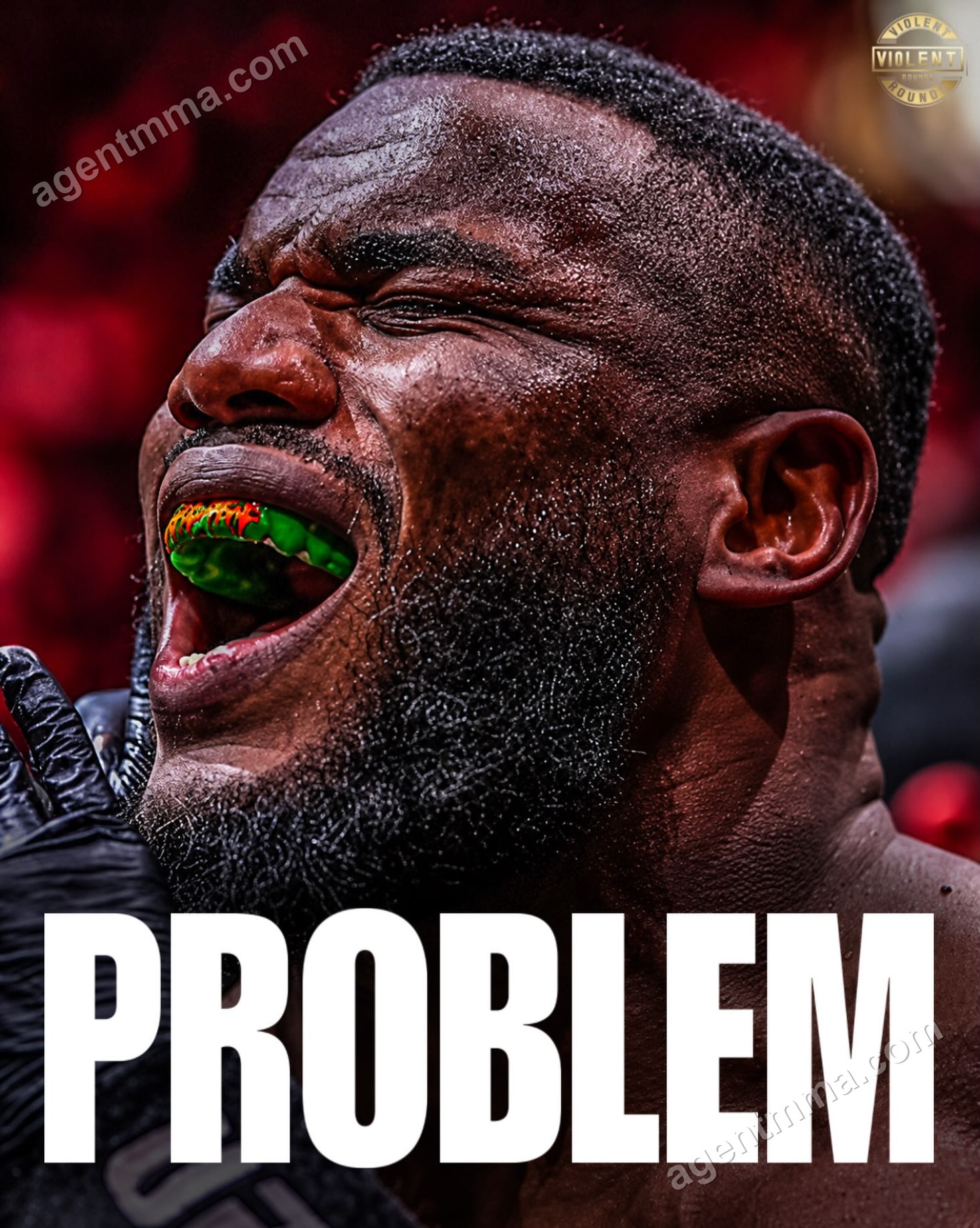
At light heavyweight, Navajo Stirling entered the top 15 at number 12.

Why it matters
- Algorithmic rankings reduce the influence of reputation and media relationships on a fighter's standing.
- The inactivity penalty and win expiration clauses create direct incentives for fighters to stay active and pursue recent, high-quality opponents.
- Expanding beyond top 15 increases visibility for ranked contenders who previously sat just outside the cutoff.
- Removing pound-for-pound lists eliminates a category that blended divisional comparisons in ways the new system appears designed to avoid.