Rafael Fiziev has distanced himself from being called a product of the Kyrgyz martial arts school, saying he considers himself self-made and does not associate Valentina Shevchenko with that system either. He credited Kyrgyz fighters' rise to natural physical attributes and a sporting culture rather than any national school, and singled out Radjabali as a once-in-a-generation phenomenon comparable to Justin Gaethje, Islam Makhachev, Khabib, and Jon Jones.
Rafael Fiziev pushed back on a narrative that has followed several fighters out of Central Asia, making clear in a recent interview that he does not consider himself a product of any Kyrgyz martial arts school and that he views his development as entirely self-made.
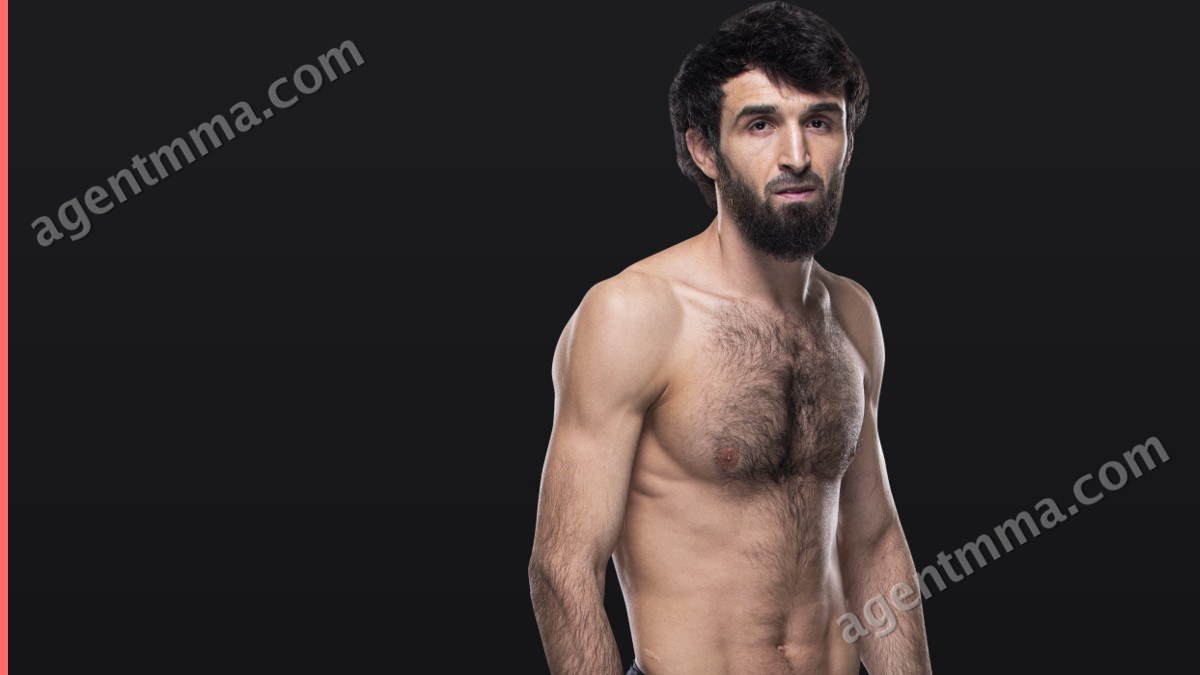
The 33-year-old Kazakh lightweight, who competes out of Tiger Muay Thai and holds a 14-5 record with a current ranking of seventh in the division, extended that same thinking to his teammate Valentina Shevchenko. Fiziev said neither of them should be attributed to a single national system, arguing instead that the rise of fighters from the region is rooted in natural physical gifts and a deep-seated sporting culture rather than any centralized school of thought.

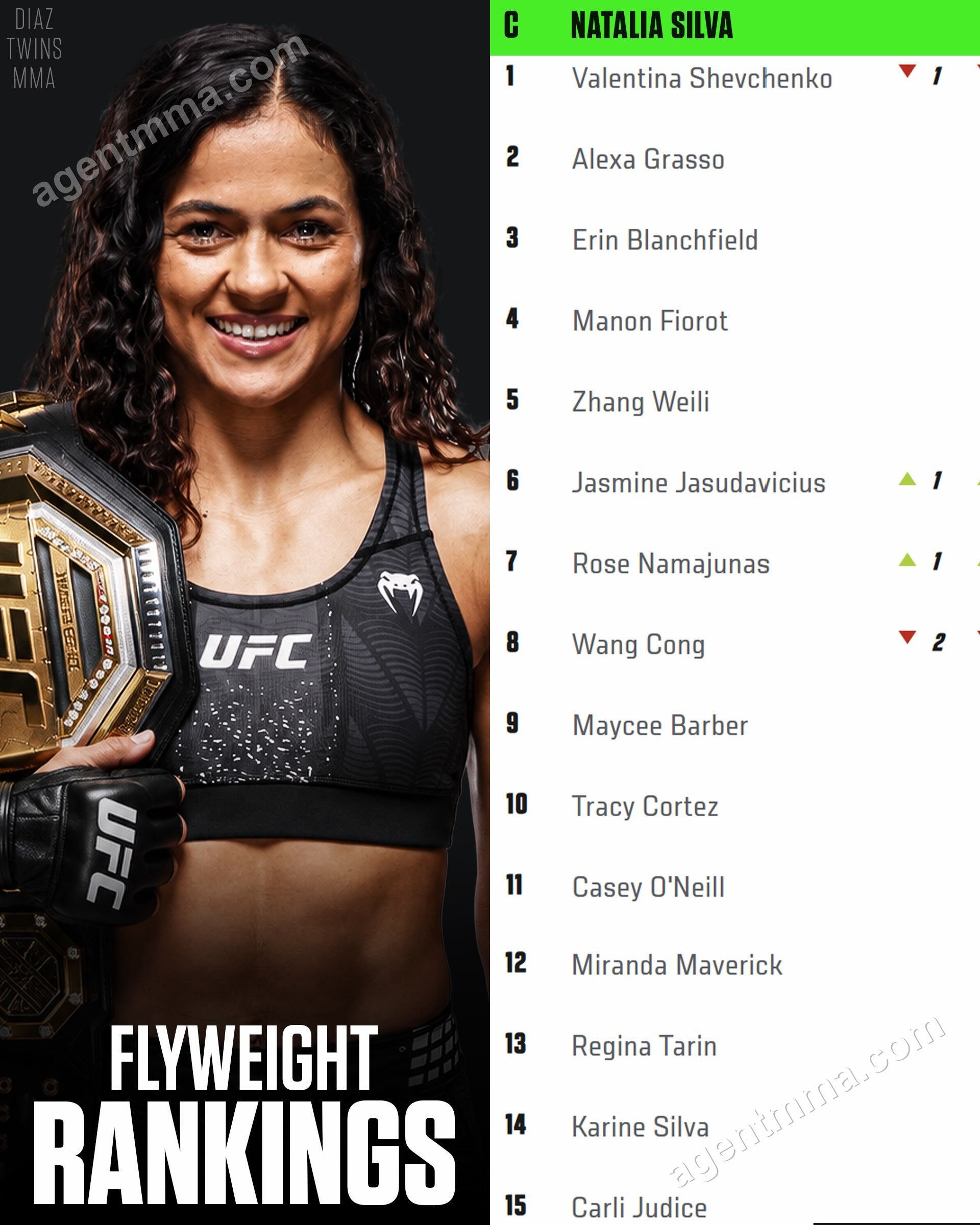
Shevchenko, the reigning women's flyweight champion fighting out of Kyrgyzstan, carries a 26-4-1 record and has long been one of the sport's most complete competitors. The 38-year-old lands 3.14 significant strikes per minute at 52 percent accuracy and averages 2.62 takedowns per 15 minutes, making her a genuine threat across multiple phases of a fight.
Fiziev himself is among the more explosive strikers in the lightweight division, averaging 4.71 significant strikes per minute at the same 52 percent accuracy clip. His switch-stance approach and 71-inch reach make him a difficult puzzle for opponents to solve.

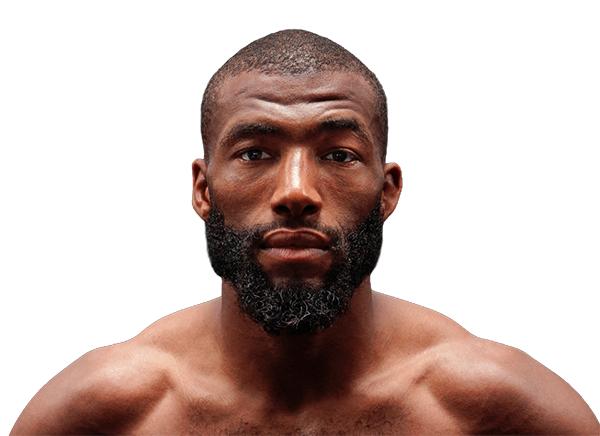
The most striking element of his comments was reserved for a fighter he identified only as Radjabali. Fiziev described him as a once-in-a-generation phenomenon, placing him in the same breath as Justin Gaethje, Islam Makhachev, Khabib Nurmagomedov, and Jon Jones as examples of fighters who transcend what any national program could claim credit for producing.
Why it matters
- Fiziev's framing separates individual elite talent from national or regional systems, a distinction that carries weight as Central Asian fighters become increasingly prominent in the UFC
- His praise of Radjabali signals a fighter worth tracking as a potential future contender
- The comments also subtly reinforce the Tiger Muay Thai identity as the shared foundation for both Fiziev and Shevchenko