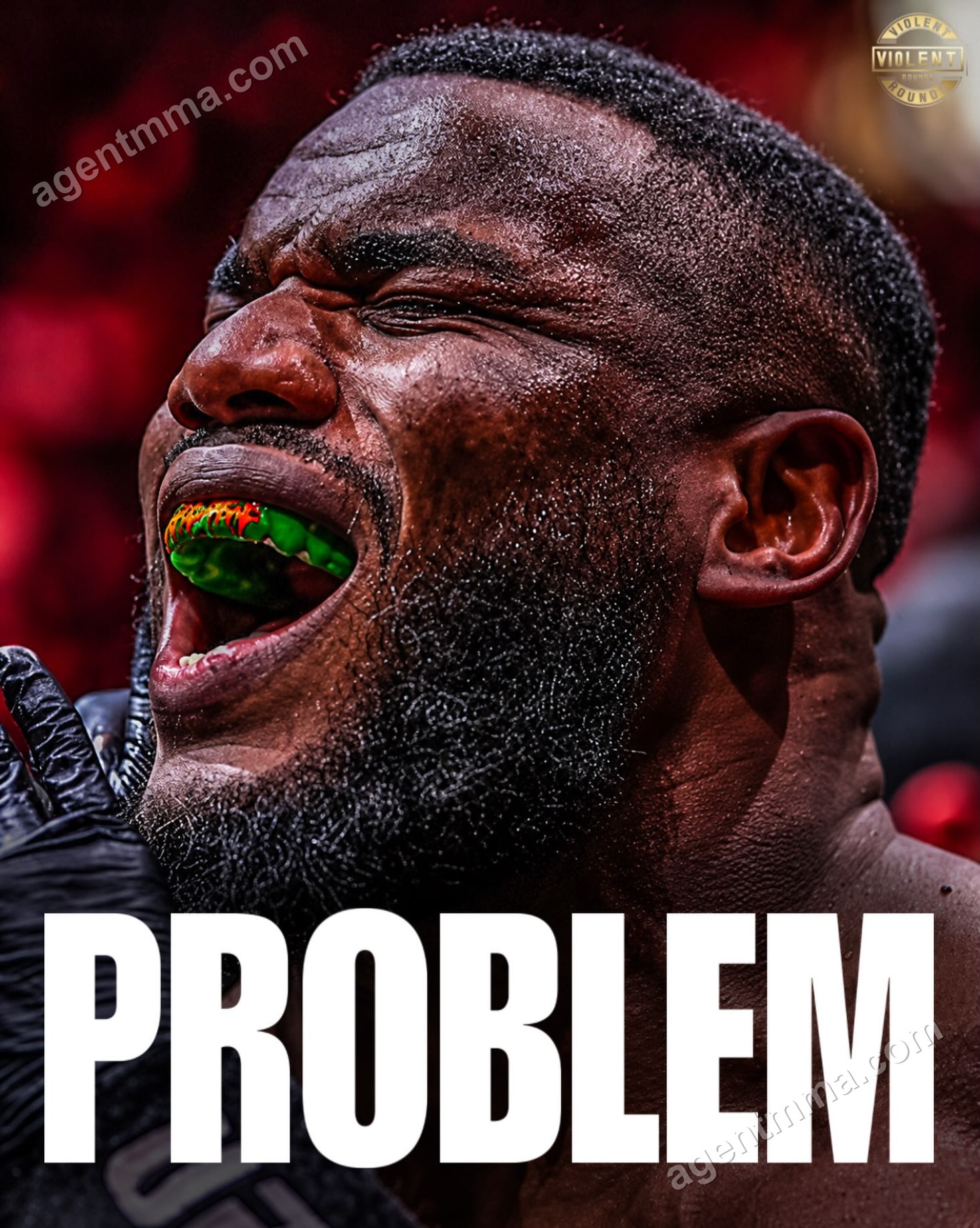

Magomedrasul Gasanov was removed from his scheduled bout against Abubakar Vagaev after UFC took issue with a substance found in his system. According to Ikram Alaskerov, Gasanov's sparring partner, Gasanov submitted records of all substances used over the past six months and subsequently tested clean, but UFC required re-testing over a compound that lingers in the body for an extended period. Alaskerov likened the situation to past cases involving meldonium, arguing the substance was widely used and that its long detection window, rather than active misuse, triggered the removal.
Magomedrasul Gasanov has been pulled from his scheduled UFC bout against Abubakar Vagaev following a flagged substance issue, it was confirmed on June 24.
According to Ikram Alaskerov, Gasanov's sparring partner, the fighter submitted a full record of every substance he had used over the prior six months and subsequently returned a clean test. Despite that, the UFC required additional re-testing over a compound known to remain detectable in the body for an extended period. Alaskerov drew a parallel to past cases involving meldonium, the cardiac drug that triggered widespread suspensions across combat sports after it was added to the World Anti-Doping Agency's prohibited list, arguing that the long detection window — rather than any active misuse — was the root cause of Gasanov's removal from the card.
Why it matters
- The fight against Vagaev has been scrapped, leaving both men without an opponent and disrupting the card's planning.
- The situation highlights an ongoing issue in anti-doping enforcement, where substances with prolonged half-lives can produce positive-adjacent findings long after use has stopped.
- Alaskerov's public framing of the case as a detection-window problem, rather than an intentional violation, signals that Gasanov's camp intends to contest any formal ruling.
No official statement from the UFC or the United States Anti-Doping Agency has been reported at this time, and no sanction has been confirmed. The full details of which compound triggered the re-test have not been disclosed publicly.