
Ronda Rousey criticized the UFC's 2026 trajectory, a comment validated by the underwhelming White House card announcement on March 8, 2026. The reveal disappointed fans expecting major bouts, echoing Rousey's prior warnings about event quality. Harvey Leonard highlighted how this fits her narrative on UFC's direction. It matters as it fuels discourse on promotional hype versus delivery, potentially impacting fan engagement and PPV buys. No specific fights were detailed, but backlash underscores pressure on Dana White for stronger lineups. Expect further commentary from ex-fighters and possible card adjustments.[2]
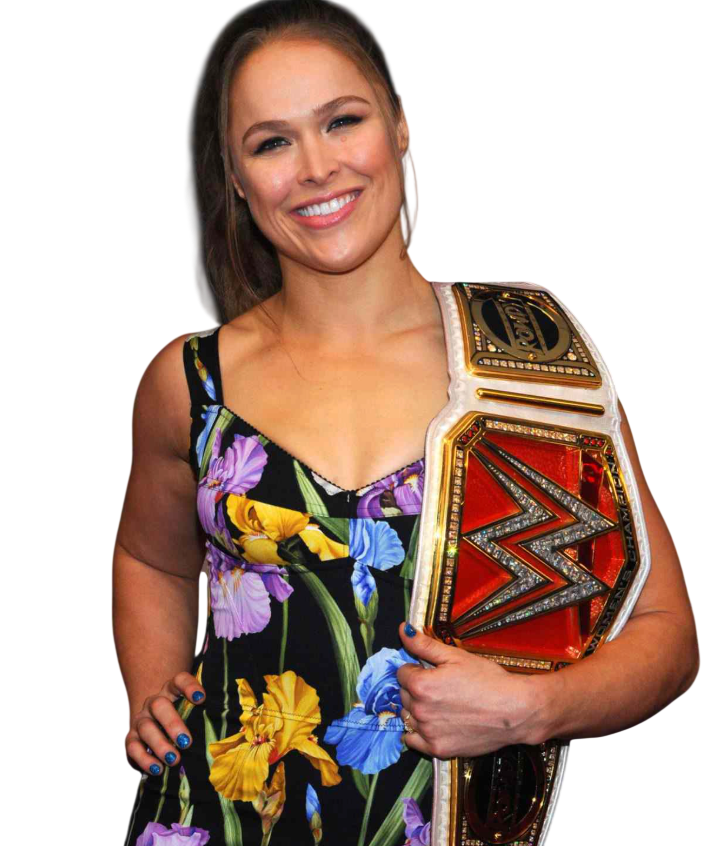
Ronda "Rowdy" Rousey has taken aim at the UFC's current direction, with her criticism gaining fresh traction following a widely panned card announcement tied to a White House event on March 8, 2026. The reveal reportedly left fans cold, with expectations of marquee matchups going unmet — a development that has lent weight to concerns Rousey had already been voicing about the promotion's trajectory.
Rousey, now 39 and long retired from active competition, compiled a 12-2-0 record across her career and remains one of the most recognizable names in MMA history. The American fighter, who trains out of Team Hayastan, built her legacy on a suffocating ground game, averaging 6.26 takedowns and 4.8 submission attempts per 15 minutes. She was also no slouch on the feet, landing 4.17 significant strikes per minute at 52 percent accuracy. That combination made her the defining women's fighter of her era, and her voice continues to carry weight in discussions about how the sport is packaged and promoted.
According to analyst Harvey Leonard, the underwhelming card announcement fits squarely into the narrative Rousey has been constructing around the UFC's promotional decisions, with the gap between hype and actual delivery drawing pointed scrutiny.
Why it matters
- The backlash intensifies pressure on Dana White to assemble more compelling lineups for high-profile announcements
- Rousey's continued public commentary keeps the debate around event quality and promotional standards in the spotlight
- Fan disappointment over thin cards has direct implications for pay-per-view buy rates and long-term audience engagement
- The episode invites further criticism from other former fighters who may share similar frustrations
It should be noted that aspects of this story remain unconfirmed, and no specific bouts from the card in question have been officially detailed.