Azamat Bekoev broke his silence one week after his loss to Treshon Gore at UFC. He admitted he strayed from his natural fighting style and lost his instincts in recent fights, though he worked hard in training. Bekoev revealed he is dealing with multiple injuries including a broken hand, nose, and leg, and will undergo surgery. He defended his place in the UFC against critics and thanked his sponsors and supporters, especially those from the Caucasus region. Bekoev promised to return to his roots and the fighting style that previously brought him success.
One week after suffering a defeat to Treshon Gore at a recent UFC event, Russian lightweight Azamat Bekoev broke his silence and addressed both the loss and a series of physical setbacks that will keep him out of action.
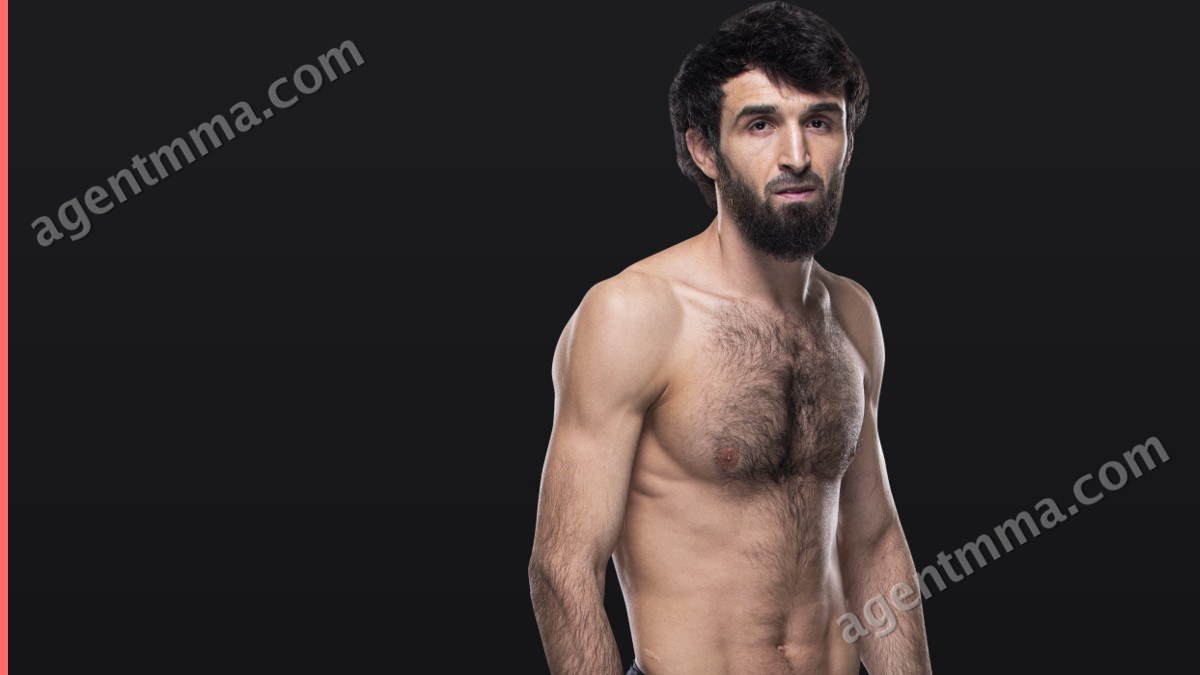
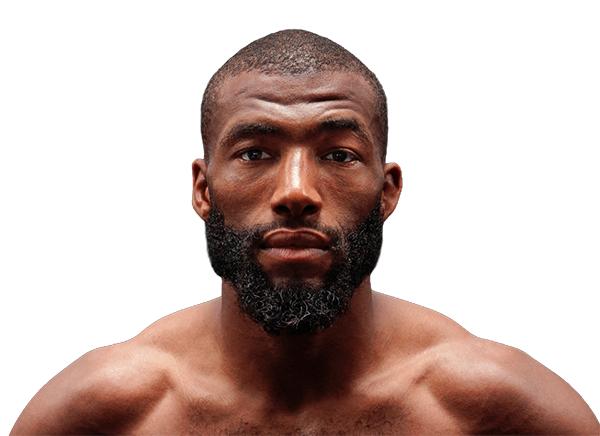
Bekoev, known as "Iron," carries a record of 20 wins and 5 losses and competes out of American Top Team. The 30-year-old stands six feet tall with a 72-inch reach and fights out of an orthodox stance. His statistical profile shows a fighter built on volume and wrestling, averaging 4.57 significant strikes landed per minute at 52 percent accuracy, while also threatening with takedowns at a rate of 3.48 per 15 minutes.
In his public statement, Bekoev acknowledged that he had drifted away from the instinctive, natural fighting style that had previously driven his success, despite working hard in training. He did not deflect blame, instead taking ownership of losing his edge in the cage during recent outings.
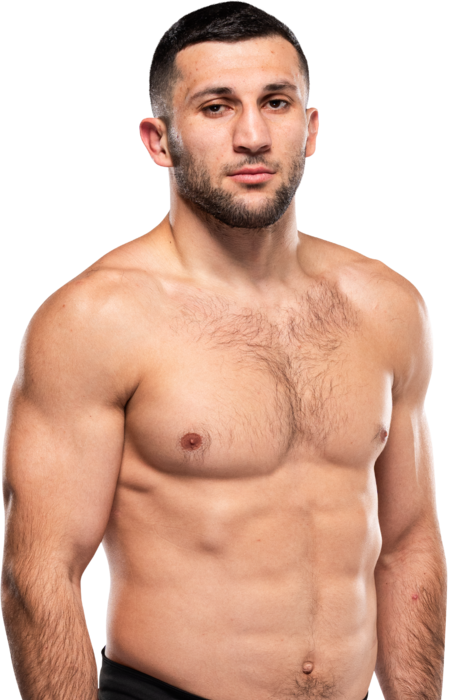
He also disclosed a significant injury burden, revealing he sustained a broken hand, nose, and leg and will require surgery to address the damage. The combination of those injuries adds an additional layer of difficulty to an already challenging period following the loss.
Bekoev pushed back against critics who questioned his standing in the UFC, standing firm on his right to compete at the highest level. He extended gratitude to his sponsors and to supporters from the Caucasus region in particular.
Why it matters
- Bekoev's 20-5 record and strong takedown output keep him relevant in a competitive UFC division, but consecutive struggles raise questions about his trajectory.
- The extent of his injuries — broken hand, nose, and leg — means a significant recovery period before he can return to training or competition.
- His commitment to returning to his original fighting style could reshape how he is used offensively, particularly given his volume striking and grappling-heavy approach.