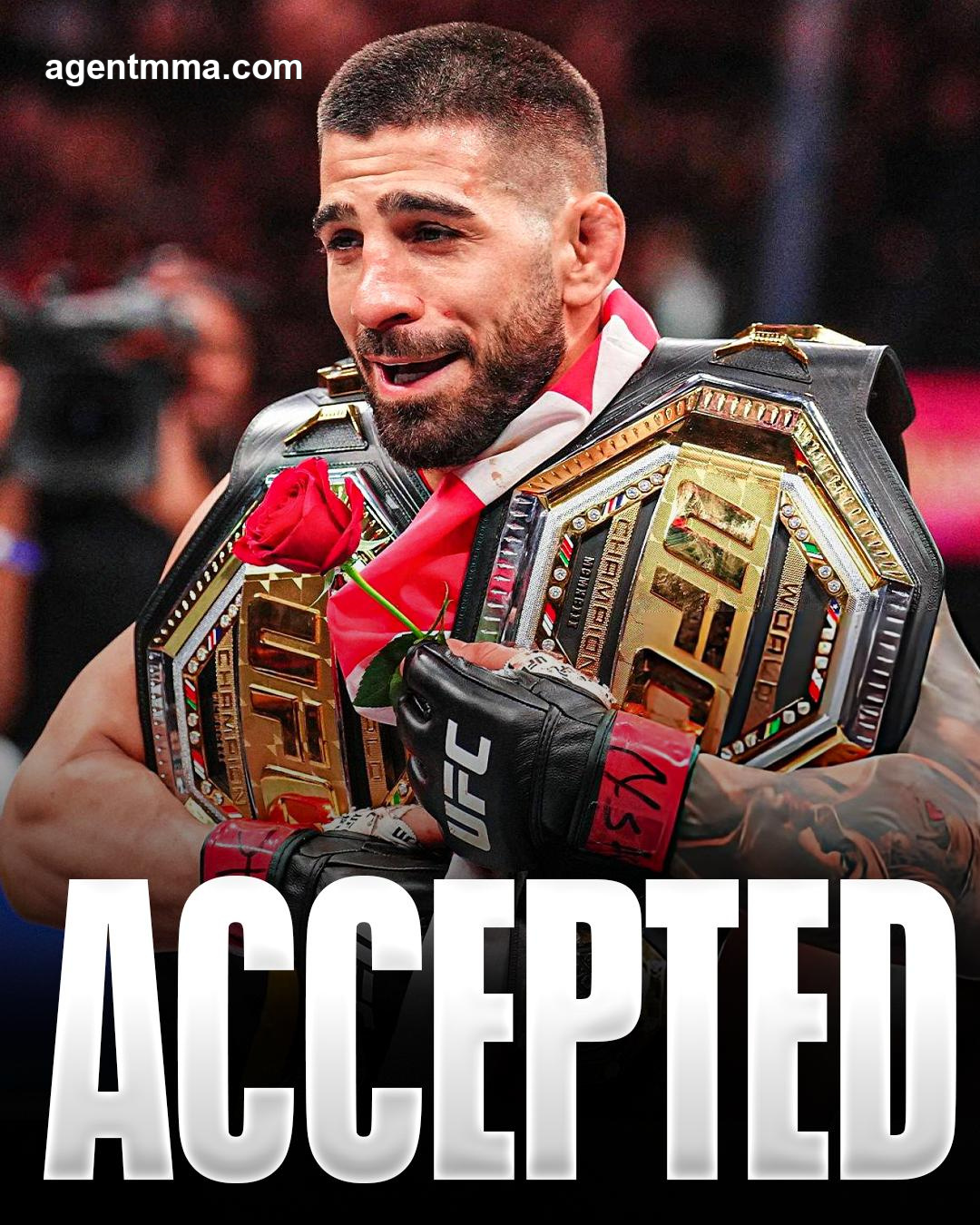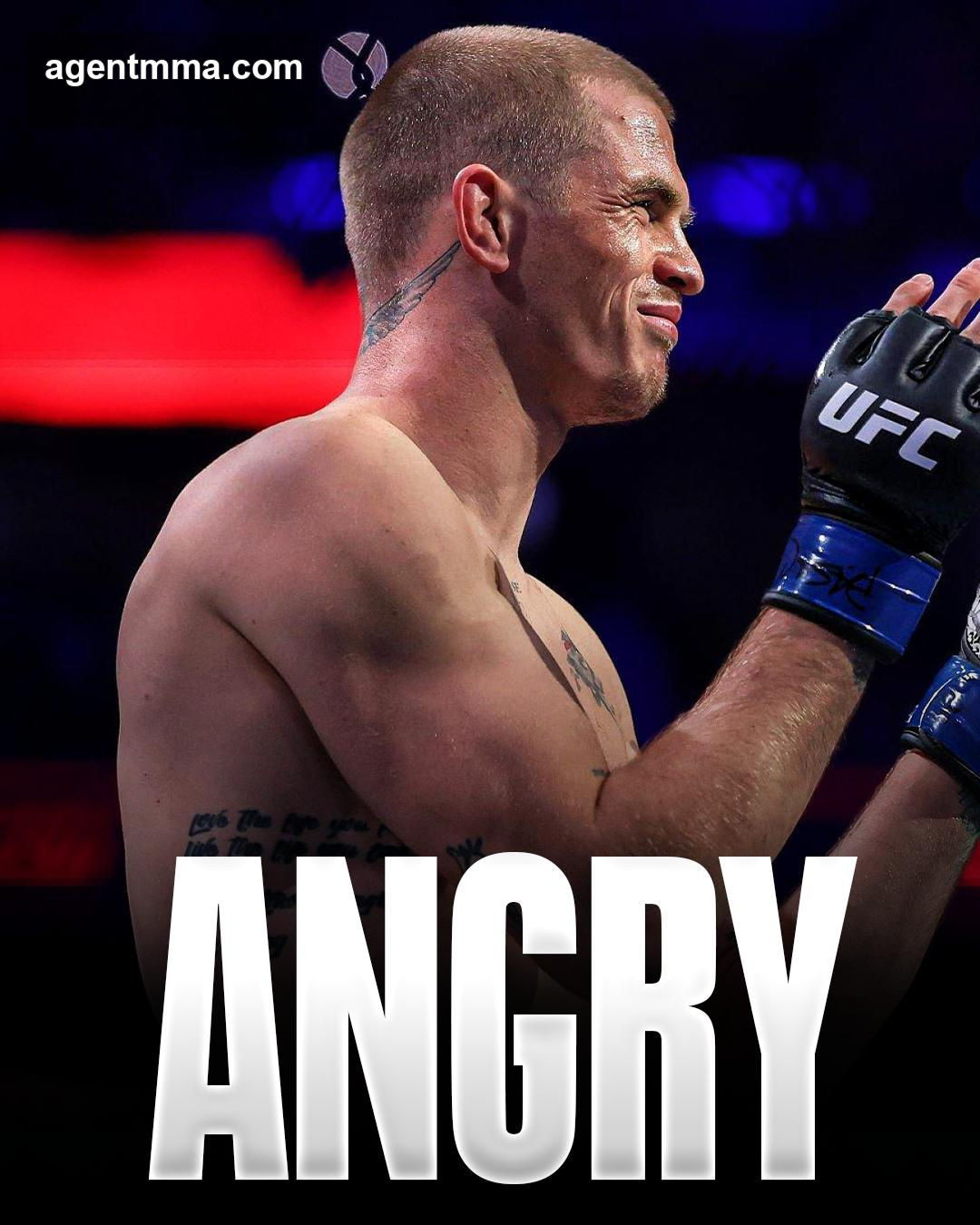

A commentary piece discusses professional fighters' reactions to online criticism, using Azamat Murzakanov as an example. The author expresses surprise at how much attention professional fighters give to anonymous internet critics they'll never meet. The post criticizes common fighter responses like "achieve something first" or "you've never lifted anything heavier than beer" as ineffective arguments. The commentary suggests fighters should understand that even negative attention from viewers represents value, as these critics are spending their free time watching and engaging with the fighters' content. The author advises fighters not to be so triggered by online comments.
A recent commentary piece is calling out professional mixed martial arts fighters for paying too much attention to anonymous online critics, pointing to Russian light heavyweight Azamat Murzakanov as a notable example of the trend.
The piece expresses surprise at how readily professional fighters engage with faceless internet commenters they will never encounter in real life. The author takes particular aim at the familiar retorts fighters tend to deploy — lines like "achieve something first" or "you've never lifted anything heavier than beer" — dismissing them as weak and counterproductive arguments that only amplify the original criticism.
Murzakanov, who fights out of K Dojo Warrior Tribe, carries a 16-1-0 record and is currently ranked 12th in the UFC's light heavyweight division at 37 years old. The southpaw stands five-foot-ten with a 71-inch reach and has built a reputation as an aggressive striker, landing 4.7 significant strikes per minute at an accuracy rate of 57 percent.

Why it matters
- Fighter engagement with online critics can shape public perception and distract from athletic preparation
- Murzakanov sits just outside the top ten at light heavyweight, where maintaining a professional image carries divisional stakes
- The commentary reflects a broader cultural debate about how athletes manage their social media presence
The core argument in the piece is straightforward: negative engagement is still engagement. Commenters who spend their free time watching a fighter's content, even to criticize it, are contributing to that fighter's visibility and value. The author advises fighters to internalize that reality rather than firing back at keyboard detractors — a response that, the commentary suggests, signals being triggered rather than confident.