
A commentator who knows Azamat Murzakanov personally expressed surprise at how professional fighters react to online critics. The post questions why fighters pay so much attention to strangers whose opinions shouldn't matter to them. The commentator specifically criticized the common fighter response of challenging critics to achieve something first or accusing them of never lifting anything heavier than a beer. This defensive argument is described as ineffective and outdated. The post suggests fighters should recognize that even negative attention represents viewers spending their time watching their fights, which is valuable.
A commentator with a personal connection to light heavyweight contender Azamat Murzakanov has weighed in on a behavioral pattern common among professional fighters — the tendency to fire back at online critics rather than ignore them.
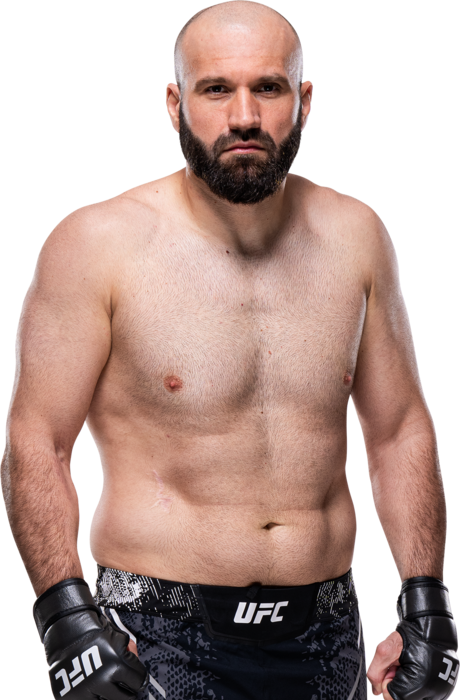
Murzakanov, who fights out of K Dojo Warrior Tribe and carries a 16-1-0 record in the light heavyweight division, currently sits at number 12 in the rankings. The 37-year-old Russian southpaw is known for his offensive output, averaging 4.7 significant strikes per minute at a 57 percent accuracy rate — numbers that reflect a polished, pressure-based style that has earned him a reputation as one of the more technically sound fighters in his weight class.
The commentator, who described knowing Murzakanov personally, expressed puzzlement at how professional fighters respond to criticism from strangers online. The post took particular aim at a familiar defensive reflex — the habit of telling critics to go achieve something themselves first, or dismissing them as people who have never lifted anything heavier than a beer. According to the commentator, that kind of response is both ineffective and worn out.
Why it matters
- The post raises a broader question about how fighters manage their public image in the social media era
- Murzakanov is specifically cited as someone the commentator knows firsthand, lending the observation a degree of insider perspective
- The commentator reframes negative attention as a form of engagement, arguing that critics are still watching and still spending their time on a fighter's career
The central argument put forward is that fighters would be better served by recognizing even hostile attention as a sign that viewers are invested enough to react — and that engaging defensively with anonymous criticism undermines rather than protects a fighter's standing.