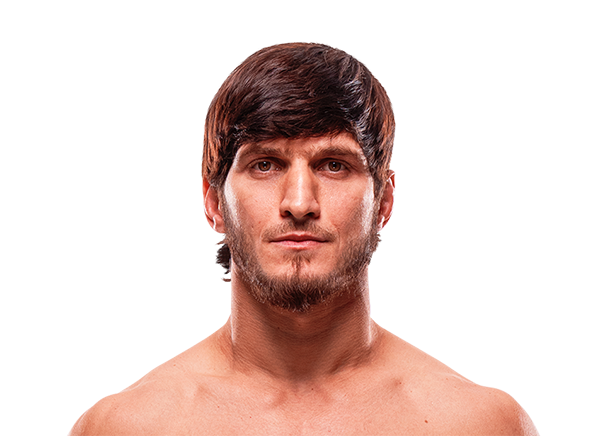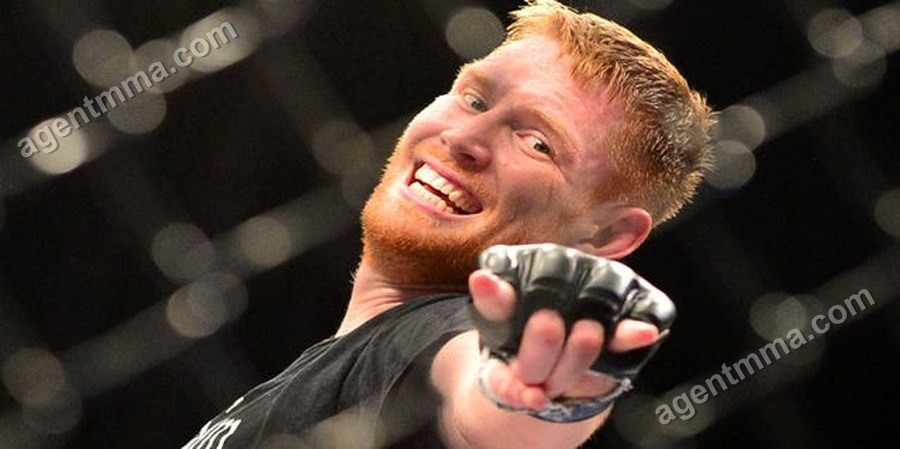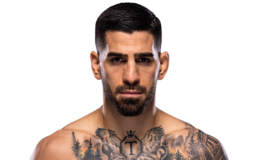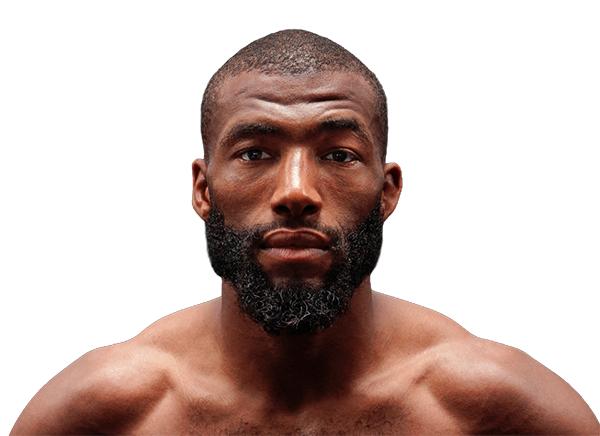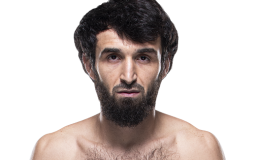
Azamat Bekoev has provided an update one week after his knockout loss to Treshen Gora. Bekoev revealed he is currently dealing with multiple injuries and faces upcoming surgeries on his hand, nose, and a broken leg. Despite the injuries, he expressed motivation from fan support, particularly from his native people and the Caucasus region. Bekoev stated that in the fight he pushed beyond what his health allowed in order not to let down his supporters. He acknowledged the overwhelming support from people calling him a champion even after the defeat.
One week removed from his knockout defeat to Treshen Gora, Russian heavyweight Azamat Bekoev has come forward with a sobering injury update that reveals the physical toll of that contest.
Bekoev, known as "Iron," disclosed that he is dealing with multiple injuries sustained in the fight and is facing a series of surgical procedures on his hand, his nose, and a broken leg. The 30-year-old confirmed he will go under the knife for all three before he can think about returning to competition.
Fighting out of American Top Team, Bekoev carries a professional record of 20 wins and 5 losses. Standing six feet tall with a 72-inch reach, the orthodox striker has built his reputation on a high-volume, accurate attack, landing 4.57 significant strikes per minute at a 52 percent striking accuracy rate. He also contributes on the grappling side, averaging 3.48 takedowns per 15 minutes across his career.

Bekoev addressed his supporters directly, explaining that he pushed his body well past its physical limits during the fight in order to avoid letting down the fans who had rallied behind him — particularly those from his native people and the broader Caucasus region. He said the outpouring of support following the loss, with many still calling him a champion, provided him with genuine motivation as he faces a difficult recovery period ahead.
Why it matters
- Bekoev now faces surgery on three separate injuries — hand, nose, and broken leg — meaning a lengthy absence from competition is virtually certain
- His willingness to fight through serious physical damage raises questions about pre-fight medical screening and corner stoppages
- At 30 years old, recovery time and long-term health will be central factors in determining when or whether he can realistically compete again at his previous level