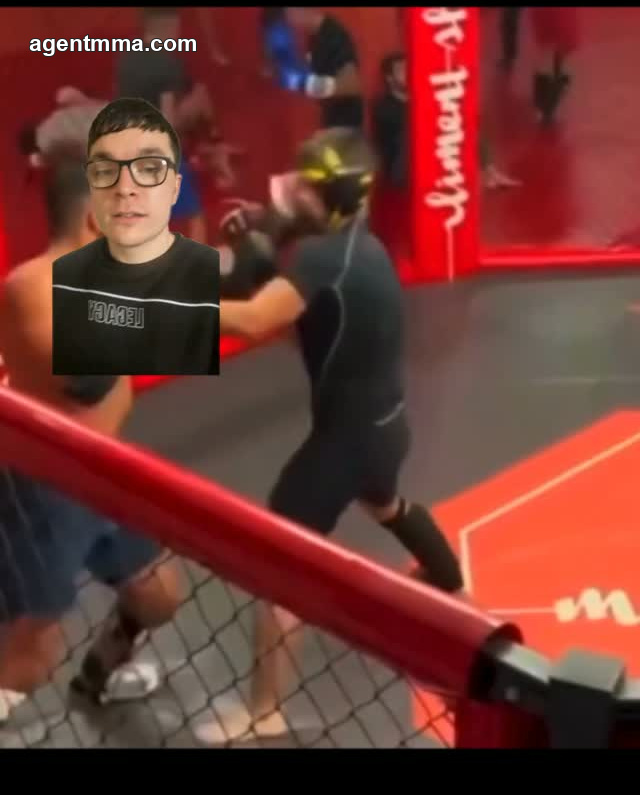
Josh Hewitt has been criticized for adopting an exaggerated, disruptive persona in his recent public appearances. Following his Bellator 300 debut in October 2023, Hewitt presented himself as a normal, grateful fighter thanking his team and fans. However, this year he has fully embraced an over-the-top character, particularly during weigh-ins and interviews. In a recent interview with Ariel Helwani, Hewitt maintained his wild persona throughout, making it difficult to watch. The post notes that while this behavior generates social media engagement, Hewitt was caught dropping the act immediately after filming ended, apologizing to those present.
Josh Hewitt is drawing criticism for leaning into an exaggerated, performative character during public appearances, with observers arguing the act has become more of a distraction than an asset.
The backlash centers on a recent interview with prominent MMA journalist Ariel Helwani, during which Hewitt maintained a wild, disruptive persona from start to finish. Critics found the sustained performance difficult to sit through. The contrast with his earlier public image has been stark — following his Bellator 300 debut in October 2023, Hewitt came across as a grounded, appreciative fighter, openly thanking his coaches and supporters.
Since then, he has leaned heavily into an over-the-top character, particularly at weigh-ins and during media obligations throughout this year. While the approach has demonstrably driven social media engagement and kept his name in circulation, the criticism sharpened when Hewitt was reportedly caught dropping the persona immediately after cameras stopped rolling, apologizing to those present in the room.
Why it matters
- The episode raises questions about authenticity in fighter branding and whether manufactured characters ultimately help or hurt a competitor's public standing.
- Being caught reverting to a normal demeanor the moment filming ends risks undermining the credibility of the persona entirely.
- MMA media relationships matter for fighter visibility, and alienating interviewers or audiences with an exhausting act can limit future opportunities.
The incident reflects a broader tension in combat sports between organic personality and calculated character-building. Generating attention is valuable, but the moment an audience suspects a fighter is performing rather than being genuine, the engagement can quickly turn skeptical. For Hewitt, the challenge now is whether he doubles down, recalibrates, or risks the character becoming the dominant story ahead of whatever comes next in his career.