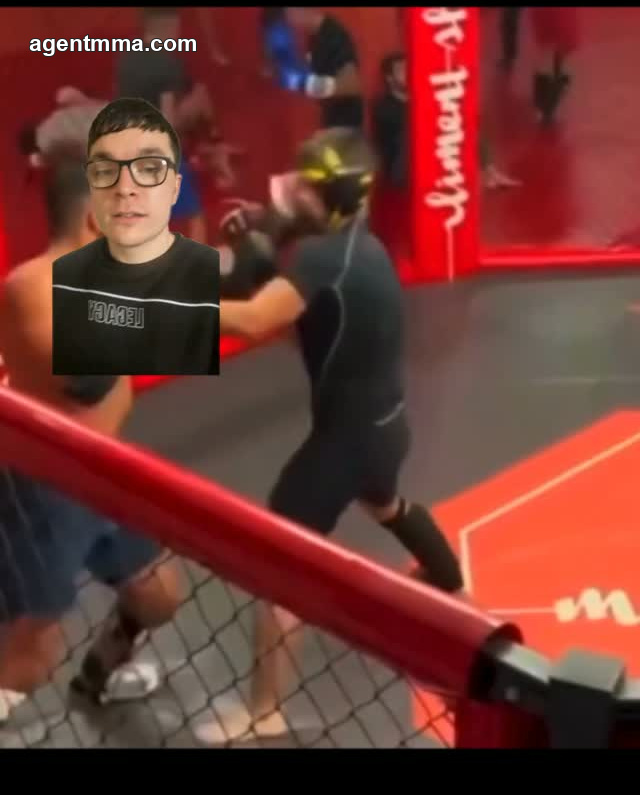

Josh Hockett displayed a normal, respectful demeanor after his MMA debut at Bellator 300 in October 2023, thanking coaches, parents, and fans. The post notes he remained genuine until about six months ago. Since then, Hockett has adopted an exaggerated persona featuring antics at weigh-ins and constant clowning behavior. While this approach generates viral content for social media, the author argues it becomes tiresome when done constantly. A recent interview with Ariel Helwani is cited as an example where Hockett's over-the-top act made the content unwatchable from start to finish.
Josh Hockett is drawing criticism for abandoning the authentic personality he displayed at his MMA debut and replacing it with a manufactured, attention-seeking persona that commentators argue has worn out its welcome.
When Hockett made his professional debut at Bellator 300 in October 2023, he came across as grounded and sincere, taking time after the fight to thank his coaches, parents, and supporters. That version of Hockett earned him goodwill from fans who appreciated the straightforward, unfiltered moment.
Roughly six months ago, however, that demeanor gave way to something markedly different. Hockett began leaning into exaggerated antics at weigh-ins and adopted a near-constant clowning act across his public appearances. The shift has generated viral social media moments, and there is little question the strategy has expanded his online footprint.
Why it matters
- Manufactured personas can boost short-term visibility but risk alienating the core MMA audience that responds to authenticity
- Constant performance fatigue is real — when every public moment is a bit, fans and media lose the thread
- A recent interview with Ariel Helwani, widely regarded as one of the sport's most capable interviewers, was cited as a low point, with critics arguing Hockett's over-the-top behavior made the segment unwatchable from beginning to end
The Helwani interview example is notable because that platform typically rewards fighters who can speak candidly and compellingly about their careers. Using it as a stage for unrelenting theatrics suggests Hockett is prioritizing content over substance at every opportunity.
The tension at the center of the criticism is straightforward: the fighter who thanked his family in a genuine post-fight moment clearly exists, and audiences responded to him. Whether Hockett views the current approach as a long-term brand or a phase remains unclear, but the backlash signals that the act, however effective in short clips, has limits when applied without restraint.