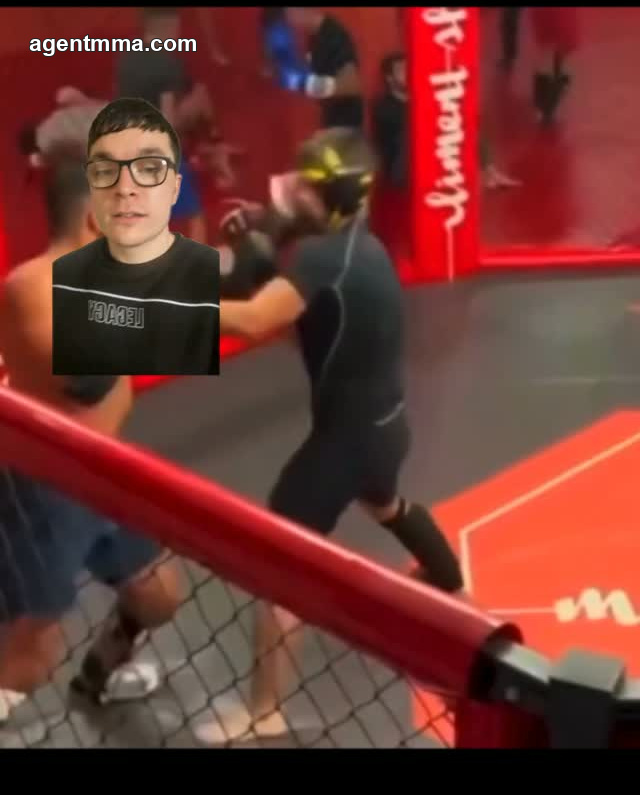

Josh Haquit has undergone a dramatic personality transformation since his MMA debut at Bellator 300 in October 2023, when he presented as a normal, respectful fighter. In 2026, Haquit has adopted an over-the-top persona featuring antics at weigh-ins and constant clowning behavior. While this approach generates short-form video content, the constant performance is seen as excessive and quickly becoming tiresome. A January interview with Ariel Helwani where Haquit maintained the wild persona throughout was particularly difficult to watch. The analysis suggests Haquit needs to show moderation in his character work rather than performing nonstop.
Josh Haquit's evolving public persona has drawn sharp criticism, with observers arguing that the fighter's increasingly theatrical behavior has crossed from entertaining into exhausting.
Haquit first appeared on the MMA scene at Bellator 300 in October 2023, presenting himself as a grounded, respectful competitor. That version of the fighter earned him an introduction to a wider audience. By 2026, however, he has replaced that image with a relentless performance — weigh-in antics, constant clowning, and an unbroken commitment to a wild, over-the-top character that follows him into every public setting.
The approach has found an audience in short-form video content, where exaggerated moments clip well and travel fast on social media. The concern, though, is that what works in a fifteen-second highlight does not translate to longer formats. A January 2026 interview with Ariel Helwani was cited as a particularly uncomfortable example, with Haquit sustaining the persona throughout the entire conversation rather than allowing any candid or human moments to surface.
Why it matters
- Persona-building can extend a fighter's reach beyond fight night, but saturation risks alienating media and fans alike
- Long-form interviews require authenticity to land; a wall-to-wall character act tends to read as deflection
- The contrast with his Bellator 300 debut makes the shift feel calculated rather than organic, which compounds the criticism
The core critique is not that Haquit should abandon showmanship entirely. Fighters with genuine character and crowd-working ability are valuable to the sport. The argument is that moderation is essential — that even the most committed performers understand when to drop the act and speak plainly. Without that balance, the character stops being a calling card and starts being a barrier.