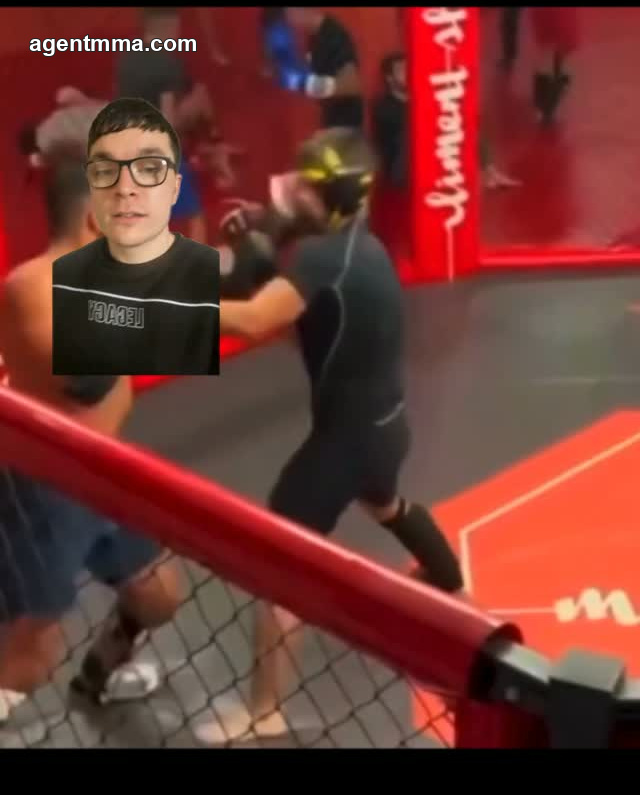

An analysis contrasts Josh Hocket's demeanor at his MMA debut at Bellator 300 in October 2023 with his current behavior. At his debut, Hocket appeared normal and grateful, thanking coaches, parents, and fans. Six months ago he was still authentic, but this year he has adopted a persona. Hocket now regularly engages in antics at weigh-ins and other events, which works well for social media content but can become tiresome. A January interview with Ariel Helwani where Hocket maintained the act throughout was described as unwatchable, suggesting he needs to moderate his character work.
MMA media attention has turned to Josh Hocket and a noticeable change in how he presents himself publicly, with analysts drawing a clear line between the fighter who stepped into the Bellator cage in October 2023 and the performer he has become today.
At his Bellator 300 debut, Hocket came across as grounded and appreciative, openly thanking his coaches, parents, and supporters in the aftermath of his first professional appearance. That authenticity carried through for a period, with observers noting he still felt genuine as recently as six months ago.
The shift has become harder to ignore in 2026. Hocket has leaned into a constructed persona, showing up to weigh-ins and other public appearances with rehearsed antics that play well in short-form social media clips. The approach has earned him visibility, but the criticism now is that the act has begun to wear thin when stretched across longer formats.
Why it matters
- A January interview with Ariel Helwani, during which Hocket reportedly maintained the character throughout, was singled out as difficult to watch
- Short bursts of personality work for content; extended interviews expose the limits of a fully performed persona
- Fighters who blur the line between genuine self-promotion and exhausting theater risk losing the audience goodwill they built early in their careers
The broader conversation is not about whether Hocket should have a public identity, but about calibration. The version of him that resonated at Bellator 300 did so because it felt unscripted. The current version works in doses, and the argument being made is that knowing when to drop the act could serve him better in the long run than committing to it without variation.