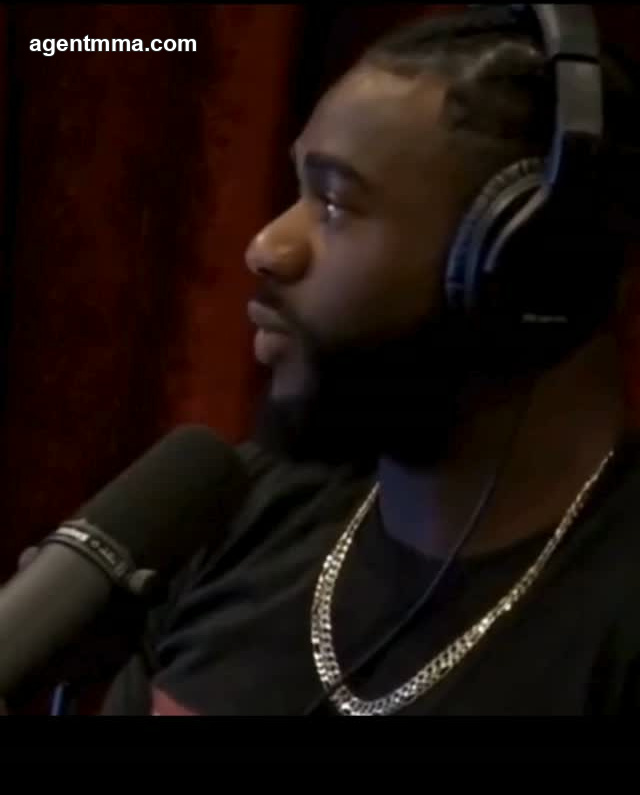

An analytical piece examines Josh Hockit's transformation from his respectful MMA debut at Bellator 300 in October 2023. The post describes how Hockit was genuine and gracious after his first fight, thanking coaches, parents, and fans. As recently as six months ago, Hockit still maintained his authentic personality. However, in 2026 he has adopted a constant character, performing antics at weigh-ins and interviews. The author criticizes Hockit's January interview with Ariel Helwani as unwatchable due to non-stop theatrics. The piece argues that while the persona generates social media content, maintaining the act constantly causes it to lose appeal and suggests Hockit should show moderation.
Josh Hockit arrived in Bellator in October 2023 as a refreshing presence — genuine, grateful, and visibly moved after his debut at Bellator 300, taking time to thank his coaches, parents, and fans in a way that felt entirely unscripted.
That version of Hockit held on longer than many might remember. As recently as six months ago, observers noted he still carried that authentic personality into public appearances, remaining largely himself in interviews and at events.
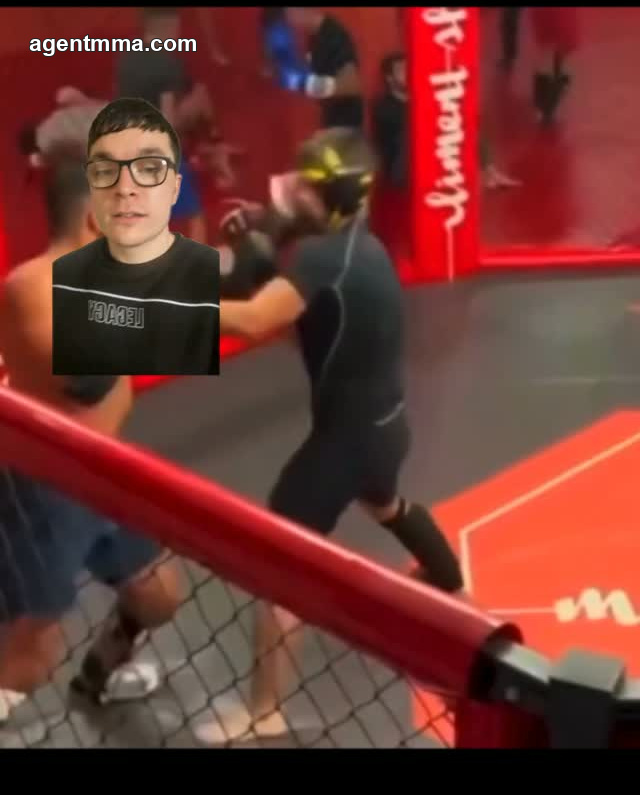
Something shifted heading into 2026. Hockit has since adopted a near-constant performance mode, filling weigh-ins and media appearances with theatrics that have drawn both attention and criticism. A January interview with Ariel Helwani drew particular notice, with the piece's author describing it as difficult to watch due to relentless on-camera antics that left little room for substance.
Why it matters
- The transformation raises questions about whether cultivated personas serve fighters long-term or erode the authenticity that first built their following.
- Constant character work, the analysis argues, diminishes the impact of individual moments — the act stops feeling special when it never switches off.
- Hockit's case is a broader study in how social media incentives can push athletes away from the qualities that made audiences connect with them initially.
The critique is not that showmanship is wrong. Personality has always sold fights, and the sport has produced memorable characters who leaned into performance. The argument here is one of moderation — that the contrast between "on" and "off" is what gives a persona its power. When every public moment becomes a bit, none of them land with the same force.
Hockit still has the goodwill built from that Bellator 300 debut. Whether he draws on it or continues to spend it is the question the next phase of his career will answer.