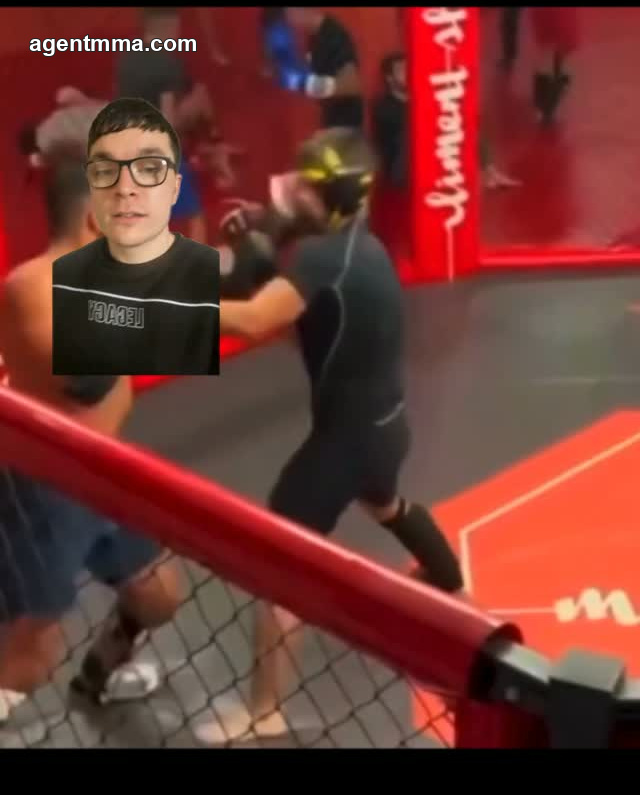

A detailed analysis examines Josh Hockett's transformation from a respectful fighter to someone who constantly plays a character. After his Bellator 300 debut in October 2023, Hockett was described as a normal, appreciative fighter who thanked his team and fans. However, in 2026 he has adopted a controversial persona featuring constant antics at weigh-ins and media appearances. The piece criticizes his interview with Ariel Helwani in January where he maintained the act throughout, making it difficult to watch. While the behavior generates social media content, the analysis suggests Hockett needs to show moderation or risk becoming tiresome to audiences.
A recent analysis piece is drawing attention to what critics describe as a troubling personality shift in fighter Josh Hockett, arguing that his embrace of a theatrical public persona has moved well past entertaining and into exhausting territory.
According to the analysis, Hockett cut a markedly different figure at his Bellator 300 debut in October 2023, presenting himself as a grounded, grateful competitor who acknowledged his team and supporters in a straightforward manner. That version of Hockett, the piece suggests, connected with audiences in an authentic way.
By 2026, however, the fighter has reportedly adopted a near-constant performance mode, leaning into antics during weigh-ins and media appearances with little apparent willingness to step outside the character. The analysis singles out a January interview with prominent MMA journalist Ariel Helwani as a particular low point, describing Hockett's sustained in-character behavior throughout the sit-down as difficult to watch and counterproductive to genuine communication.
Why it matters
- Persona-driven marketing can expand a fighter's visibility, but overexposure to a single act risks alienating casual and core fans alike
- Maintaining a character through media obligations such as long-form interviews can undermine a fighter's ability to build real audience connection
- The analysis raises a broader question about where the line sits between marketable personality and tiresome gimmick in modern MMA promotion
The piece does acknowledge that Hockett's shift has generated social media content and short-term attention, conceding there is a transactional logic to the approach. The criticism is not aimed at the existence of a persona but at the lack of modulation, with the analysis arguing that showing occasional glimpses of the person behind the act would serve Hockett far better in the long run than an unbroken commitment to the bit.