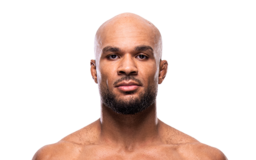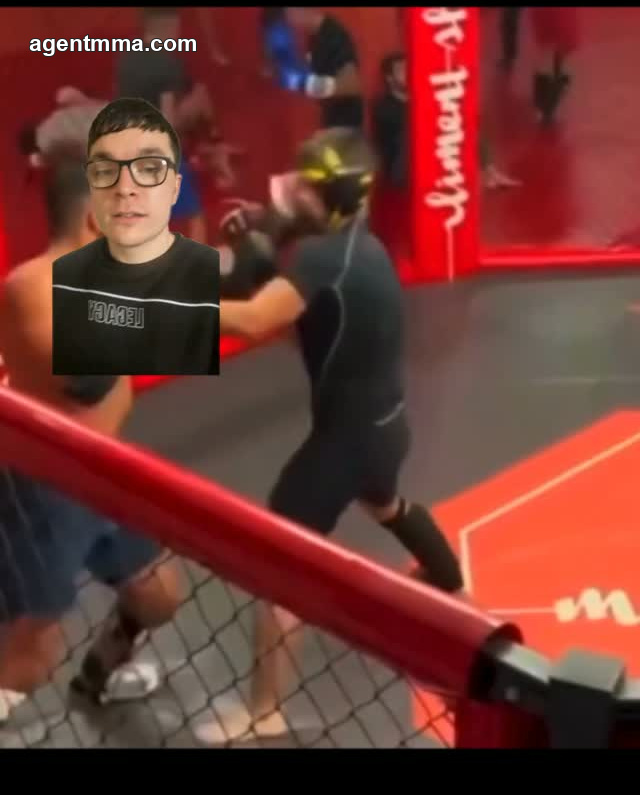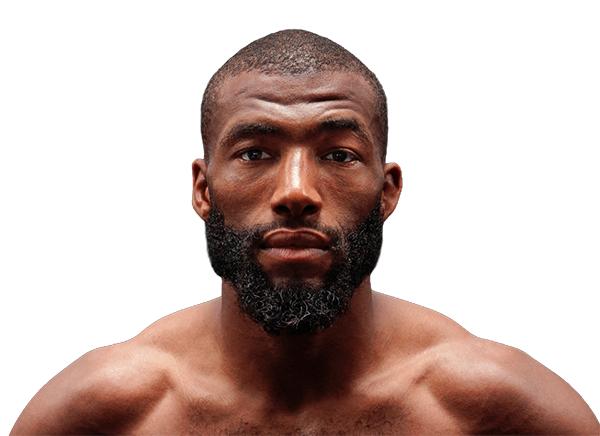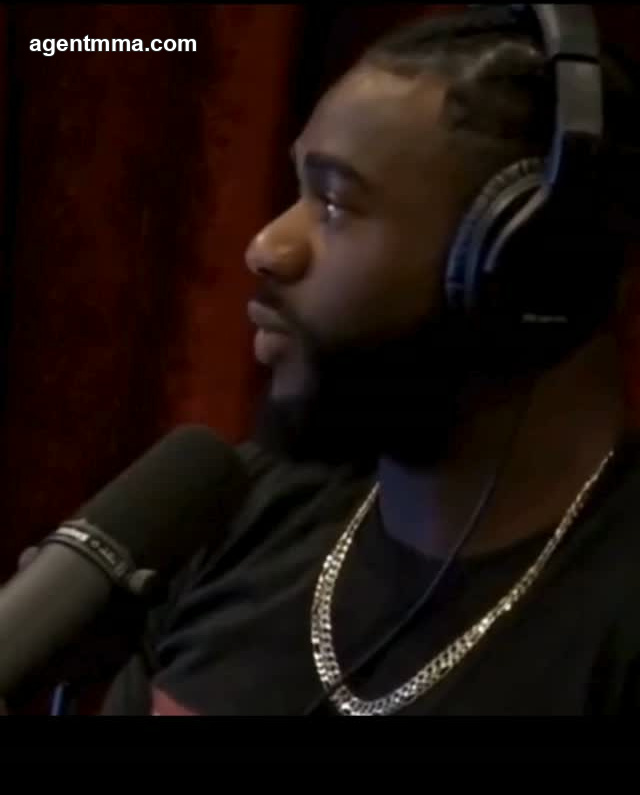

An opinion piece examines Josh Hockit's behavioral transformation since his MMA debut at Bellator 300 in October 2023. The author recalls Hockit being normal and gracious after his debut, thanking coaches, parents, and fans. However, over the past year, Hockit has adopted an exaggerated theatrical persona characterized by constant antics at weigh-ins and other events. The piece criticizes a January interview with Ariel Helwani where Hockit maintained his "crazy" character throughout, making it unwatchable. The author suggests that while such behavior generates social media content, constantly playing a character without moderation causes audience fatigue. The post references video evidence showing Hockit immediately dropping his act after cameras stopped rolling, saying "Sorry about all this, guys."
Josh Hockit built early goodwill as a fresh face in Bellator's heavyweight division, but a new opinion piece argues he has since traded that authenticity for an exhausting stage act.
The analysis traces Hockit's public image back to his MMA debut at Bellator 300 in October 2023, where, by the author's account, he came across as grounded and appreciative after the fight, thanking his coaches, parents, and the fans who turned out to watch him. That version of Hockit, the piece suggests, was easy to root for.
What followed over the next year is where the author takes issue. Hockit gradually leaned into an exaggerated theatrical persona, filling weigh-in appearances and public events with sustained antics that the writer frames as calculated content generation rather than genuine personality. The criticism sharpens around a January interview with Ariel Helwani, which the author describes as unwatchable because Hockit refused to break character for the duration of the sit-down, leaving little room for any real conversation to breathe.
Why it matters
- Performer fatigue is a real phenomenon in combat sports media, and the piece argues Hockit is accelerating it by never moderating his act
- The criticism is grounded in video evidence: footage reportedly shows Hockit immediately dropping the persona the moment cameras stopped rolling, quietly telling those around him "Sorry about all this, guys"
- That behind-the-scenes moment is the crux of the argument — that the character is entirely constructed, which the author believes audiences will eventually see through
The gap between the private and public versions of Hockit is what gives the piece its central tension. Fighters who cultivate outsized personas are nothing new in MMA, but the author's point is one of proportion and self-awareness: a character that runs at full volume with no off switch tends to wear out its welcome faster than one that allows moments of sincerity to surface.