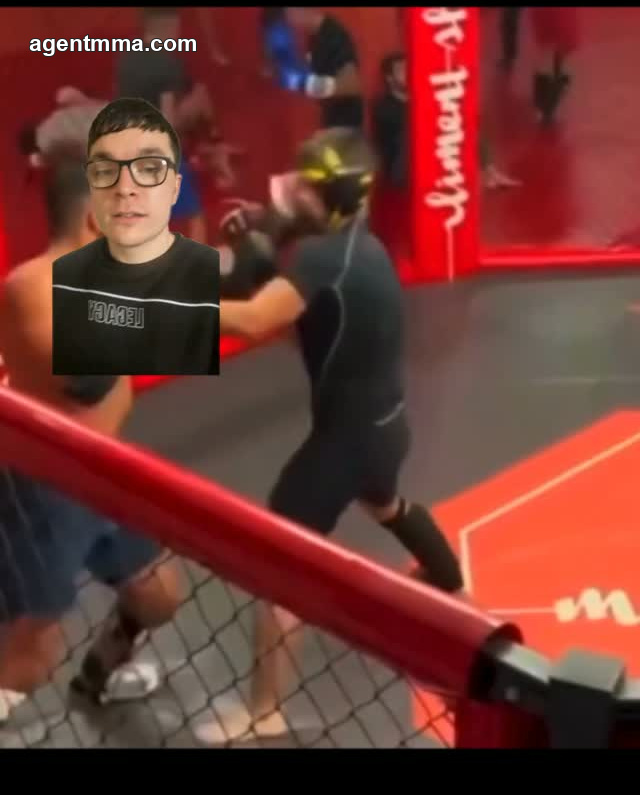

A detailed commentary examines Josh Hockett's evolution from his MMA debut to present day. At Bellator 300 in October 2023, Hockett presented as a respectful, normal person who thanked coaches, parents, and fans after his debut. Even six months ago he maintained authenticity, but this year he has adopted an exaggerated theatrical persona. The commentary criticizes Hockett's constant antics at weigh-ins and other appearances as good for social media clips but tiresome when maintained constantly. A January interview with Ariel Helwani where Hockett acted unhinged throughout was cited as particularly unwatchable. The analysis suggests Hockett needs to find balance and moderate his act rather than constantly playing a character.
A recent commentary piece is drawing attention for its pointed critique of Josh Hockett's evolving public image, arguing that the Bellator and MMA prospect has traded genuine authenticity for an exhausting theatrical act.
The analysis traces Hockett's public persona from his Bellator 300 debut in October 2023, where he came across as grounded and appreciative, thanking his coaches, parents, and fans in the aftermath of his first professional appearance. According to the commentary, that sincerity held for some time, with observers noting he still carried himself with relative normalcy as recently as six months ago.
The piece argues that something shifted in the months since. Hockett has increasingly leaned into exaggerated behavior at weigh-ins and public appearances, a style the commentary acknowledges can generate social media traction but describes as wearing thin when sustained without relief. A January interview with Ariel Helwani was singled out as a low point, with the analysis calling Hockett's unhinged performance throughout the sit-down actively difficult to watch.
Why it matters
- Public persona shapes how fighters are marketed and how seriously they are taken by promotions and fans alike
- The criticism draws a distinction between a character that enhances a fighter's brand and one that overshadows their athletic credibility
- The commentary stops short of calling for Hockett to abandon the act entirely, instead urging him to find a middle ground between entertainer and competitor
The central argument of the piece is one of moderation. Theatrics have a long history in combat sports, and the commentary does not dismiss the value of personality. The concern raised is that Hockett appears to be playing a character at full volume in every setting, leaving little room for audiences to connect with the person underneath.