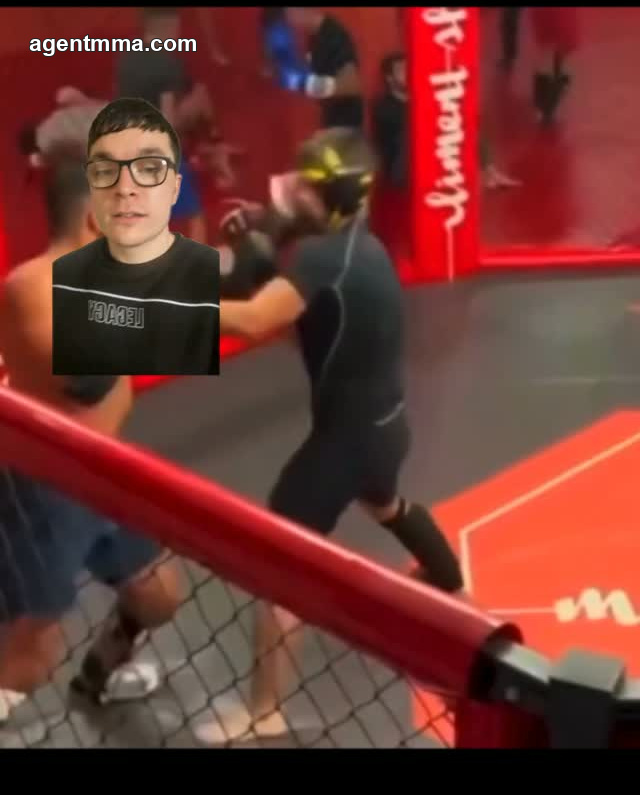

Analysis suggests Josh Hockit has drastically changed his public persona since his MMA debut at Bellator 300 in October 2023, when he appeared humble and gracious. The fighter was described as normal and appreciative of his team and fans following that first fight. However, over the past year, Hockit has adopted an over-the-top character, engaging in antics at weigh-ins and constant theatrics. An interview with Ariel Helwani in January exemplified this shift, where Hockit maintained an exaggerated persona throughout, making it difficult to watch. The commentary suggests this constant performance style, while generating social media content, lacks moderation and risks becoming tiresome to audiences.
Commentary circulating in MMA media circles is taking aim at Josh Hockit's dramatic shift in public presentation, arguing that the fighter has traded an early reputation for humility in favor of an exhausting, round-the-clock performance that may be wearing thin with audiences.
When Hockit made his debut at Bellator 300 in October 2023, observers noted a fighter who came across as grounded and genuine, openly grateful to his team and supporters after the bout. That version of the fighter left a positive impression on those who covered the event.
What has followed over the roughly two-plus years since that debut, however, is described as a near-complete reinvention. Hockit has leaned into theatrical weigh-in antics and a persistently exaggerated public character that critics argue never switches off. A January interview with journalist Ariel Helwani is cited as a particular flashpoint, with the fighter reportedly maintaining the heightened persona throughout the entire conversation in a way that observers found difficult to sit through.
Why it matters
- Fighters who build characters around constant spectacle risk diminishing returns when audiences grow fatigued
- The criticism highlights a tension in modern MMA between genuine personality and manufactured content designed for social media engagement
- Without moderation, an over-the-top persona can overshadow actual in-cage performance and narrative
The core of the analysis is not that showmanship is inherently a problem, but that Hockit's approach lacks any apparent off switch. Generating content and building a profile outside the cage is a legitimate part of a fighter's career in the current media landscape, yet the commentary suggests that a degree of restraint tends to make those moments land harder when they do arrive. The concern is that perpetual theatrics flatten the contrast that makes a character compelling in the first place.