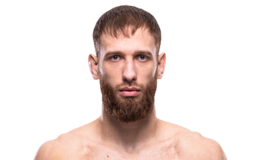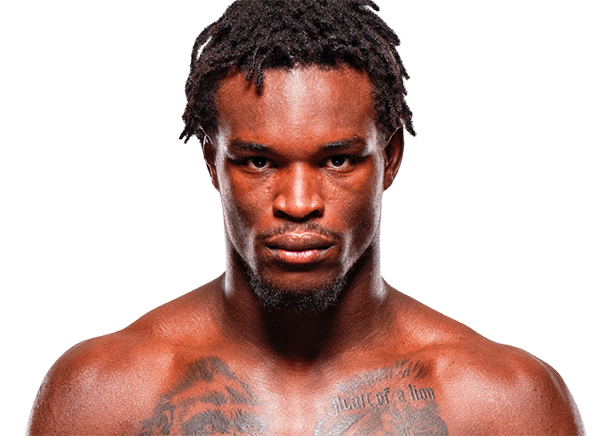

Despite defeating Curtis Blaydes, Josh Hokit's defensive issues remain concerning, as he absorbed numerous strikes that could prove disastrous against power punchers like Alex Pereira or Sergei Pavlovich. However, Hokit demonstrated improved striking power and maintained heavy hands even in the exhausting third round, with effective elbow work showing his developing versatility under Greg Jackson and Mike Winkeljohn's coaching. His wrestling defense was notably strong, easily shutting down Blaydes' takedown attempts. The analyst notes that Hokit's aggressive, crowd-pleasing style aligns perfectly with Dana White and Donald Trump's preferences, but warns this approach could be exploited by Derrick Lewis, though Lewis may prioritize avoiding damage over seeking victory.
A post-fight breakdown of Josh Hokit's victory over Curtis Blaydes has highlighted a fighter showing genuine development in some areas while carrying defensive liabilities that could be exploited at the highest level of the heavyweight division.
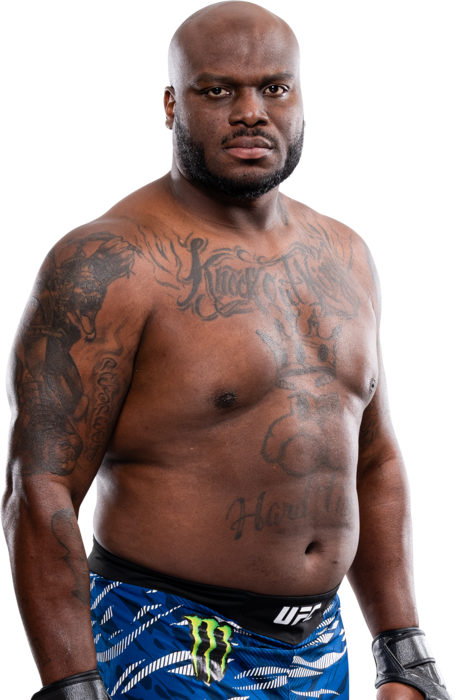
Hokit's improved striking power was a clear takeaway from the Blaydes bout. He maintained heavy hands through a grueling third round and added effective elbow work to his arsenal, a sign of growing versatility that analysts attribute to his training under Greg Jackson and Mike Winkeljohn. His wrestling defense was also a bright spot, as he consistently neutralized Blaydes' takedown attempts. The concern, however, is the volume of clean strikes Hokit absorbed throughout the contest — a pattern that becomes far more dangerous against elite-level punchers.

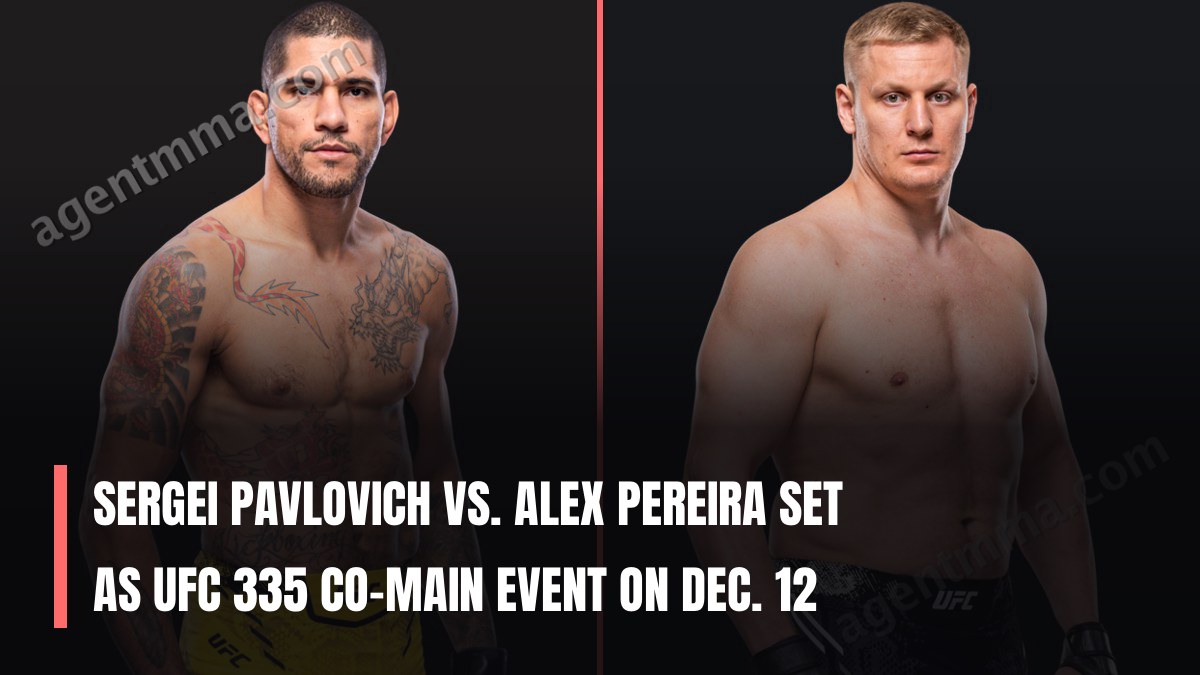
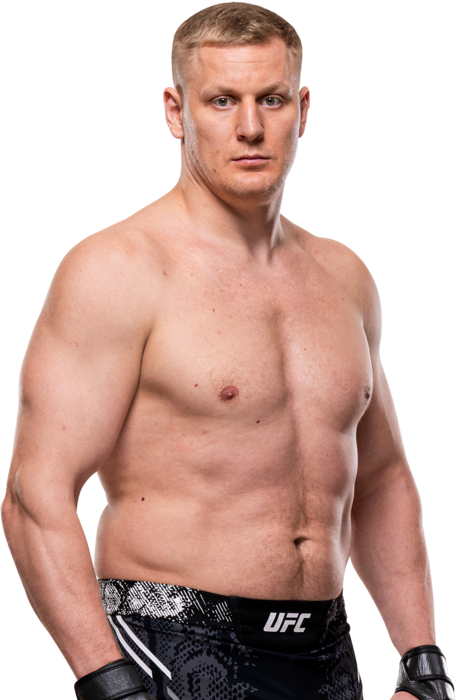
The names raised as potential threats illustrate just how steep the challenge ahead could be. Alex Pereira, the reigning Light Heavyweight champion at 38 years old, carries a record of 13-4 and lands an extraordinary 5.16 significant strikes per minute at 62 percent accuracy, both figures that rank among the sport's elite. Sergei Pavlovich, ranked third in the Heavyweight division at 34, operates with similar menace, averaging 4.43 significant strikes per minute from a southpaw stance with a massive 84-inch reach. Either man could punish the defensive gaps Hokit displayed. Derrick Lewis, ranked eighth in Heavyweight at 41 with a 29-14 record, presents a different question entirely — the analysis suggests Lewis might choose to avoid engagement rather than press for a finish, though his 79-inch reach and 49 percent striking accuracy still make him a credible danger.
Why it matters
- Hokit's defensive vulnerabilities are a documented pattern, not an isolated event, and elite heavyweight punchers will target them
- His wrestling defense represents a genuine weapon against takedown-heavy opponents
- The style matchup against Pavlovich, who combines volume with reach advantages, could be particularly hazardous
- Hokit's crowd-pleasing aggression may accelerate his path to marquee matchups before those defensive issues are fully resolved

Alex Pereira vs Sergei Pavlovich
See the AI pick, live odds and the full matchup breakdown