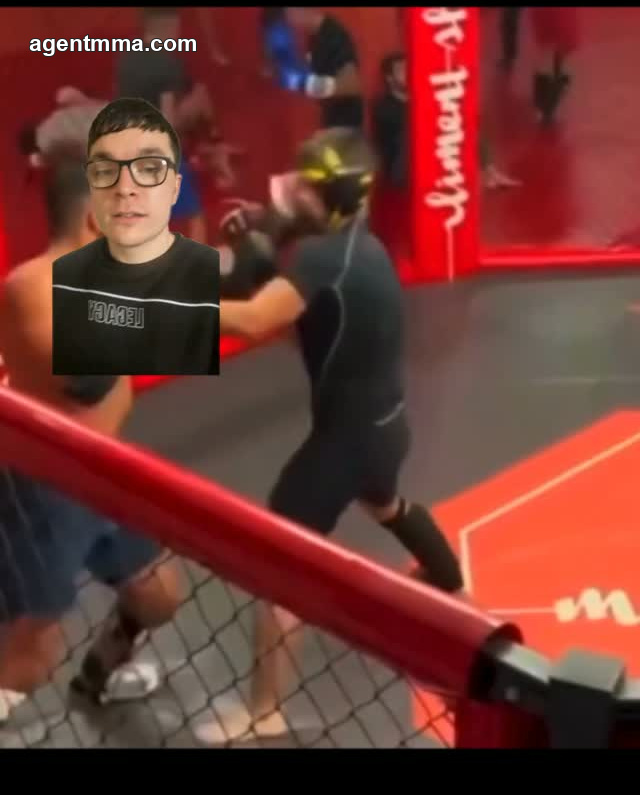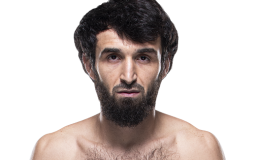

Josh Hokit's performance against Curtis Blaydes demonstrated both improvements and concerning tendencies in his striking game. While he can fight more defensively, his established brawling image and aggressive style led him to absorb significant damage, which could prove disastrous against power strikers like Alex Pereira or Sergei Pavlovich. Despite taking heavy shots, Hokit showed heavier hands and maintained power into the third round, with improved elbow work and easily defended Blaydes' takedown attempts, indicating high-level defensive wrestling from his training with Winkeljohn. His deviant behavior contrasts sharply with his coaches Jackson and Winkeljohn but aligns perfectly with the Trump and Dana White era of the sport. Against Derrick Lewis, Hokit's reckless style could be problematic, though there's concern Lewis may prioritize earning money and avoiding damage over securing a victory.
Josh Hokit's outing against Curtis Blaydes served as a revealing case study in what the heavyweight contender does well — and what could get him seriously hurt if he carries those same habits into the wrong matchup.
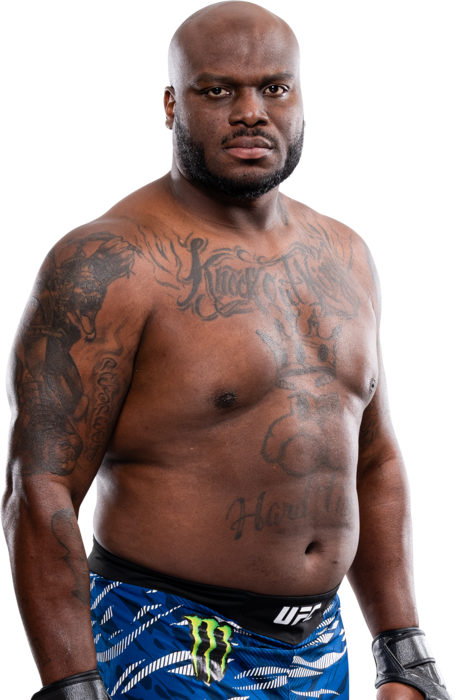
The performance showed genuine development in Hokit's striking toolkit. He came in with heavier hands, integrated improved elbow work, and still carried meaningful power through the third round. His wrestling defense was also noteworthy, as he turned away Blaydes' takedown attempts with relative ease — a product, apparently, of his work with trainer Winkeljohn. Yet the same brawling instincts that make Hokit exciting also left him eating substantial punishment, and that is where the analysis turns cautious.

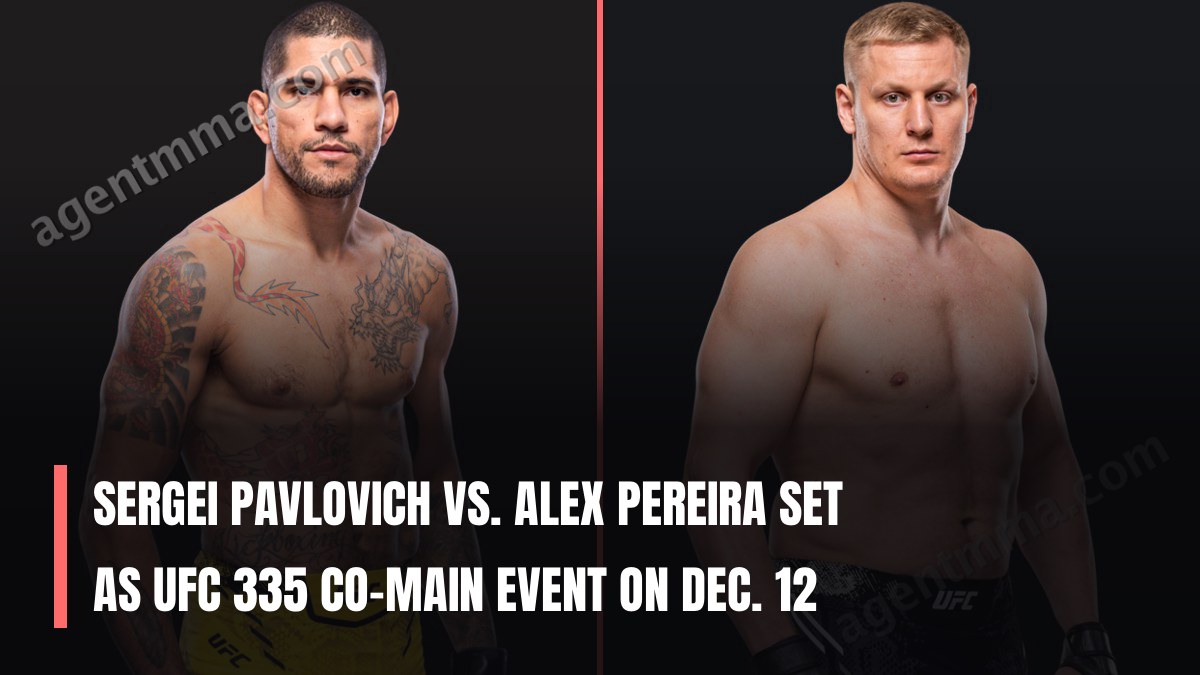
The names that come up as danger matchups are instructive. Light heavyweight champion Alex Pereira, who carries a 13-4 record and lands an eye-catching 5.16 significant strikes per minute at 62 percent accuracy, represents the kind of clinical power puncher who could exploit Hokit's tendency to walk into exchanges. Sergei Pavlovich, ranked third in the heavyweight division at 20-3, presents a similar threat from the southpaw stance — he averages 4.43 significant strikes per minute and owns a 213 cm reach that would keep Hokit at range and make charging forward costly.

Why it matters
- Hokit's improved defensive wrestling removes one dimension opponents could exploit, but his chin remains a question mark against elite strikers.
- A fight against Derrick Lewis, the 41-year-old ranked eighth at heavyweight with a 29-14 record, looms as a stylistic puzzle — Lewis lands 2.46 significant strikes per minute and carries serious one-shot power at six-foot-three with a 201 cm reach.
- Concerns exist that Lewis may approach the bout conservatively, prioritizing self-preservation over aggression, which could neutralize the chaos Hokit needs to thrive.
- Hokit's Winkeljohn-trained defensive wrestling is now a credible asset, but whether he can rein in his brawling instincts against punishment-heavy opponents remains the central unanswered question.
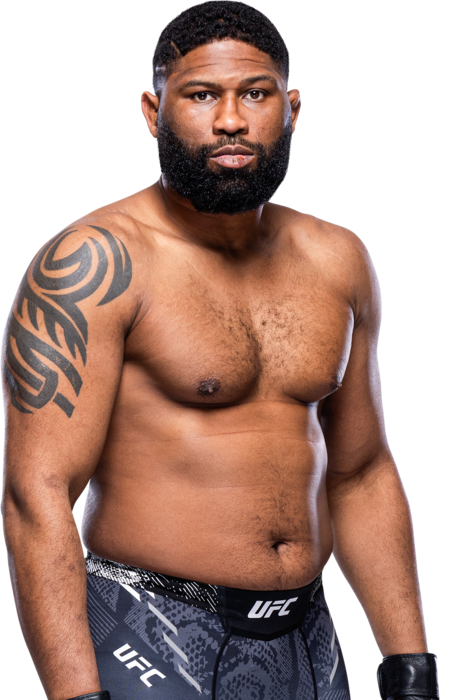

Alex Pereira vs Sergei Pavlovich
See the AI pick, live odds and the full matchup breakdown