
Analysis of Josh Hokit's performance notes that while he successfully defeated Blaydes by maintaining his aggressive brawling style, this approach could prove problematic against elite strikers. The post suggests that against opponents like Pereira or Pavlovich, Hokit's charging attacks could lead to a knockout loss. However, the analysis credits Hokit's improved power, noting his hands remained heavy even in the third round, and praises his elbow work and takedown defense reflecting high-level training under Winkeljohn. Hokit's behavior is described as perfectly matching Trump and Dana White's preferences. Looking ahead, while Derrick Lewis shouldn't be counted out, there's concern Lewis may prioritize earning money and avoiding damage rather than pursuing victory.
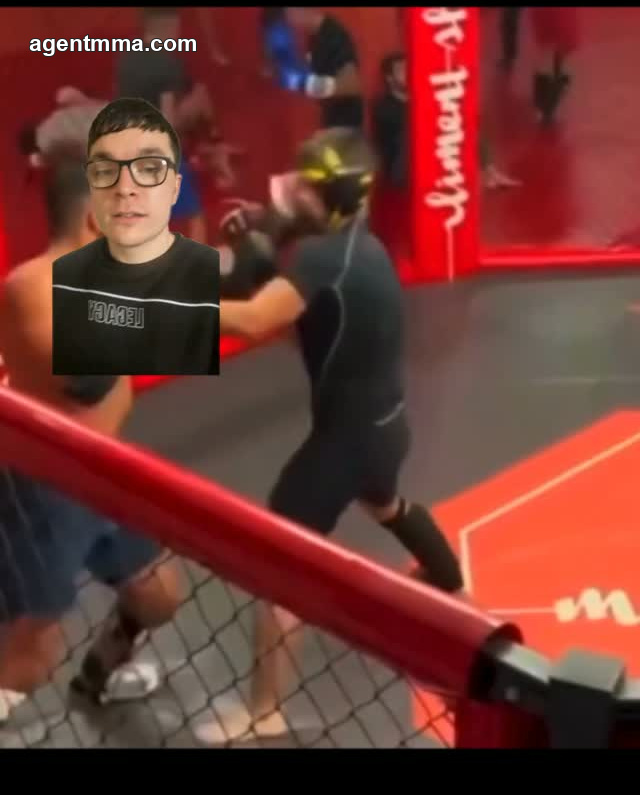
Recent analysis of Josh Hokit's heavyweight win over Curtis Blaydes has sparked discussion about how far his aggressive, brawling style can carry him against the division's most dangerous strikers.
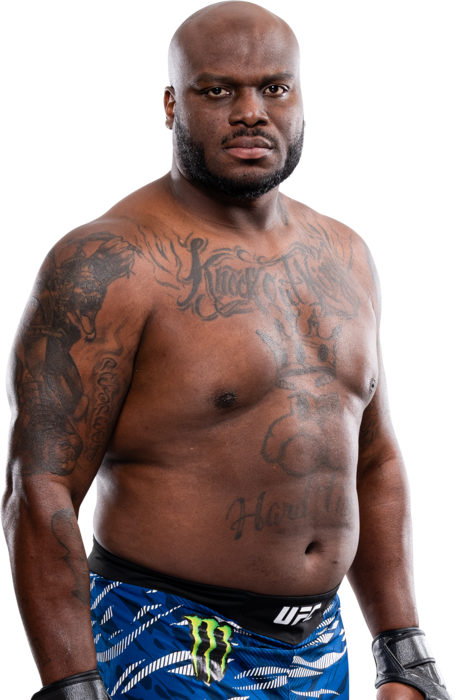
Hokit earned credit in the breakdown for keeping his foot on the gas throughout the fight, with commentary noting his hands remained heavy even into the third round — a sign of genuine power endurance. His elbow work and takedown defense also drew praise, with the analysis attributing those improvements to high-level coaching under Winkeljohn. At the same time, the piece raised a clear warning: Hokit's habit of charging forward in exchanges could be catastrophically punished by elite-level strikers.

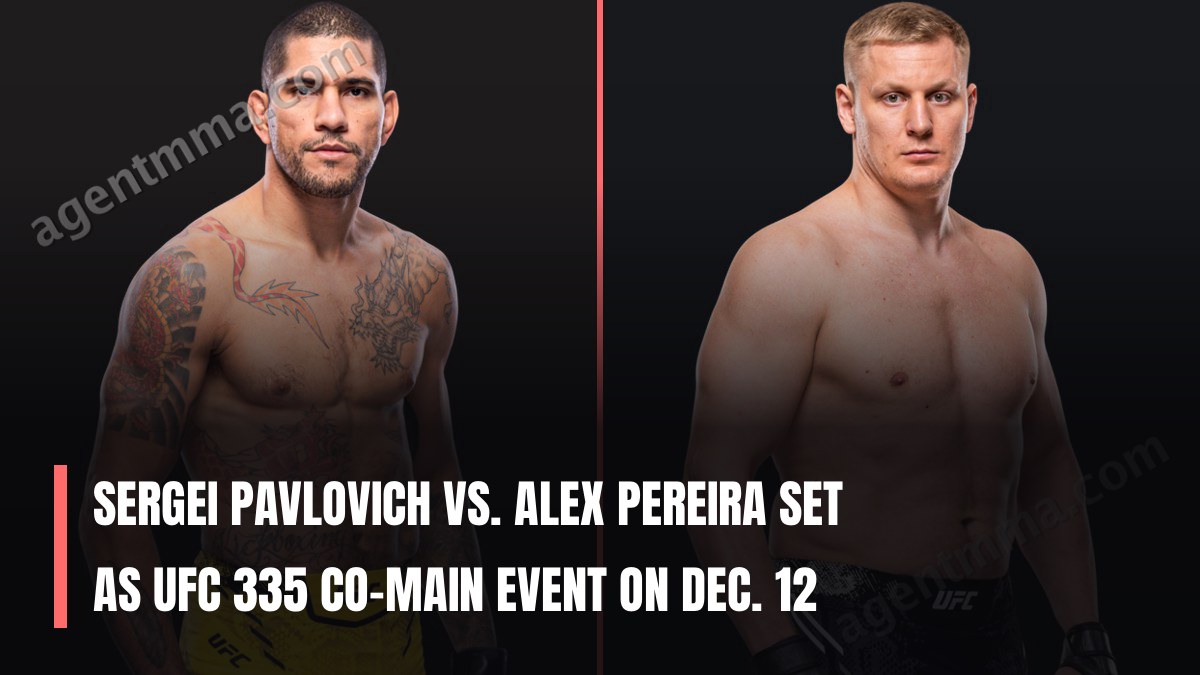
The concern sharpens considerably when names like Sergei Pavlovich and light heavyweight champion Alex Pereira enter the conversation. Pavlovich, ranked third in the heavyweight division at 34 years old, lands 4.43 significant strikes per minute with a 213 cm reach that gives opponents almost no margin for error on the way in. Pereira, the reigning light heavyweight champion from Brazil, is even more prolific at 5.16 significant strikes per minute and connects on 62 percent of his attempts — an accuracy figure that makes reckless charging particularly dangerous. The analysis suggests Hokit's style, so effective against Blaydes, could run directly into a knockout finish against either man.

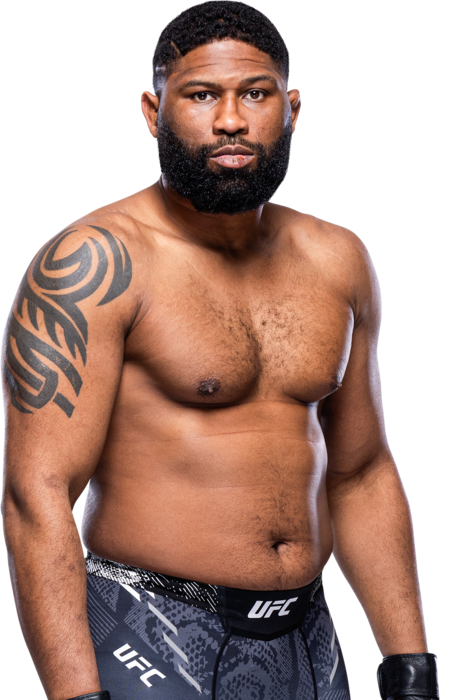
Also factored into the outlook is Derrick Lewis, the 41-year-old ranked eighth at heavyweight. The breakdown stops short of dismissing Lewis entirely but expresses concern that he may be more focused on protecting his body and securing paydays than on pushing for a finish.
Why it matters
- Hokit's brawling approach is a proven asset but a potential liability against elite heavyweights with finishing power
- Pavlovich's reach and output and Pereira's accuracy represent the clearest stylistic dangers
- Lewis's motivation and career stage add an unpredictable variable to the division's contender picture

Alex Pereira vs Sergei Pavlovich
See the AI pick, live odds and the full matchup breakdown