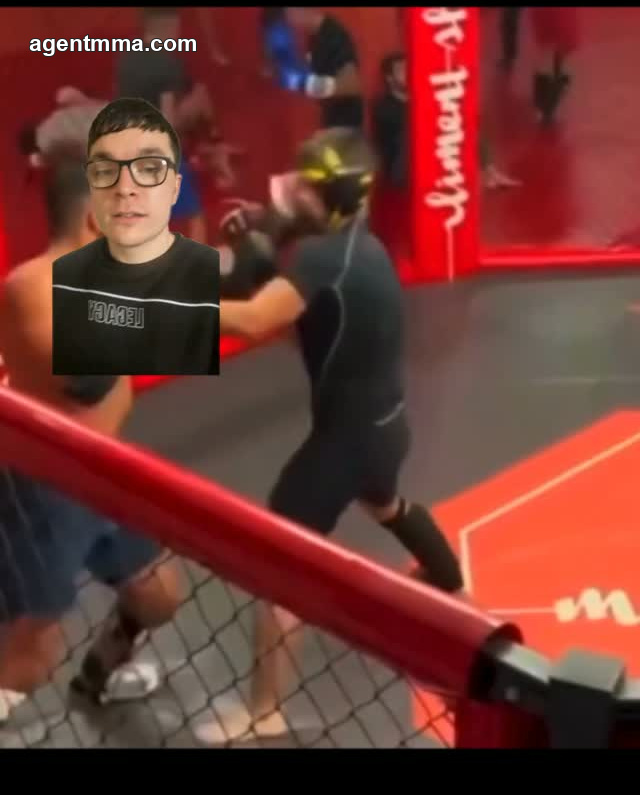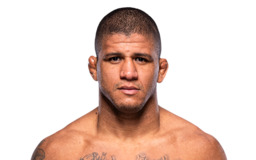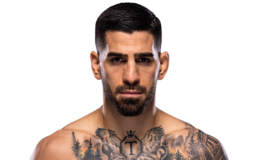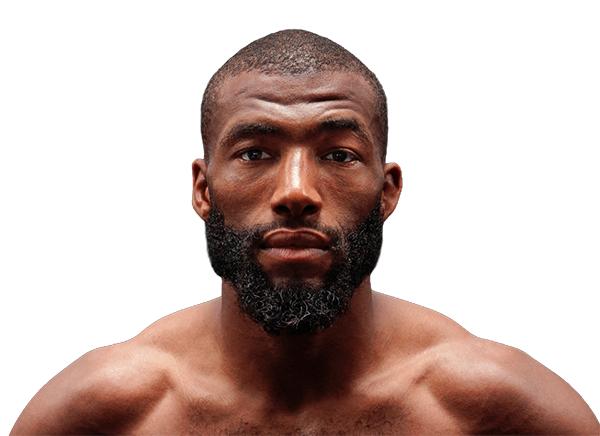

An analytical breakdown criticizes how strikers in 2026 still fail to utilize even the threat of wrestling. The post points to Al Iaquinta successfully using wrestling feints against Khabib Nurmagomedov as an example of how muscle memory creates defensive reactions that open striking windows. Despite Prochazka's size advantage, wrestling capabilities demonstrated in past fights, and Ulberg's known vulnerability to leg kicks and wrestling, Prochazka did not mix in grappling or even wrestling threats. The analyst notes Prochazka has attempted only five takedowns in his entire UFC career compared to 65 by striker Petr Yan. Given Ulberg's knee injury during the fight, the failure to capitalize through wrestling or leg attacks was especially puzzling.
A post-fight analytical breakdown published following UFC 327 on April 11 argues that Jiri Prochazka squandered a significant tactical opportunity against Carlos Ulberg by never once threatening a takedown or mixing in wrestling elements during their light heavyweight contest.

The piece centers on Prochazka, the 33-year-old Czech ranked second in the light heavyweight division with a professional record of 32-6-1. Standing six-foot-three with an 80-inch reach, Prochazka is an explosive orthodox striker who lands 5.69 significant strikes per minute at 55 percent accuracy. The analyst's central criticism is that despite those physical gifts and documented wrestling capability, Prochazka has attempted only five takedowns across his entire UFC career — a strikingly low figure the piece contrasts with the 65 takedown attempts logged by fellow striker Petr Yan.

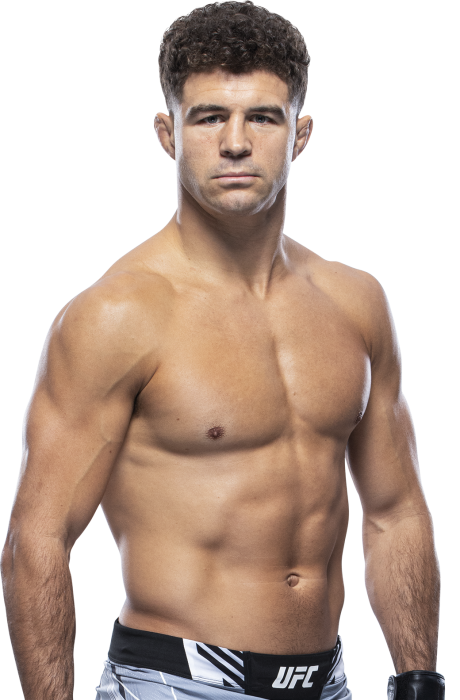
The analysis invokes Al Iaquinta, who carries a 14-7-1 record and has spent his career out of the Serra-Longo Fight Team, as evidence that even a threat of wrestling can disrupt elite opposition. The analyst points to Iaquinta's feints against Khabib Nurmagomedov — the undefeated Russian who averaged 5.32 takedowns per 15 minutes throughout his career — arguing that wrestling feints alone trigger muscle-memory defensive reactions in opponents and crack open striking windows without requiring an actual takedown.
The criticism sharpens given that Ulberg reportedly sustained a knee injury during the fight. The analyst contends that targeting the compromised leg through kicks or even simulated level changes would have been elementary game-planning, particularly against an opponent noted to carry vulnerability to leg kicks and wrestling pressure.

Why it matters
- Prochazka's ranking at number two in light heavyweight means tactical questions carry direct title implications
- The wrestling-threat concept is framed as a broader failing among pure strikers in 2026, not an isolated lapse
- Ulberg's in-fight knee injury made the absence of leg attacks and level changes especially difficult to explain analytically

Saturday, April 11, 2026