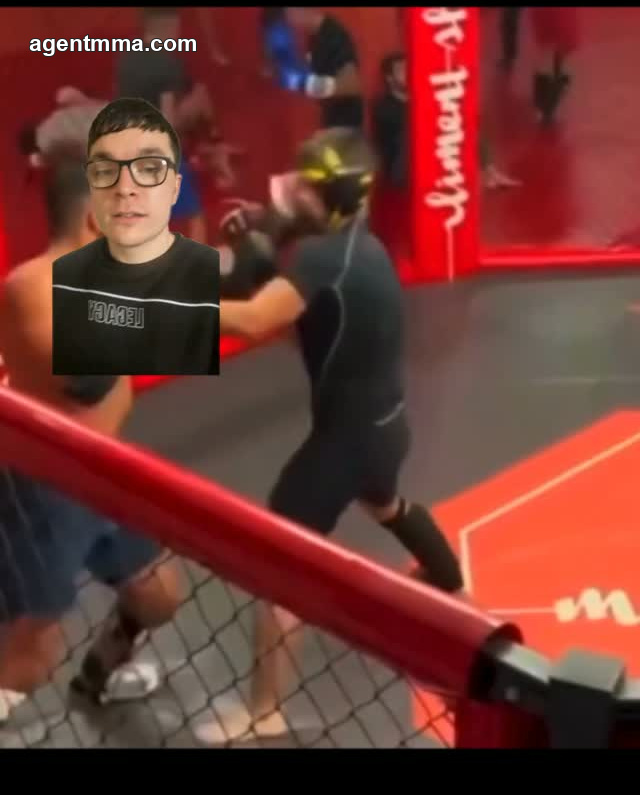

A tactical analysis examines how modern strikers continue to neglect using wrestling feints as offensive tools, even when facing opponents with strong grappling backgrounds. The post references Al Iaquinta's success using false level changes and wrestling threats against Khabib Nurmagomedov, creating openings for strikes by forcing automatic defensive reactions. The analysis criticizes Jiri Prochazka's approach against Carlos Ulberg at UFC 327, noting that despite being a large fighter with decent wrestling credentials (success against Vadim Nemkov, time on the ground with Glover Teixeira and Alex Pereira), Prochazka only attempted 5 career UFC takedowns. The piece argues that utilizing wrestling threats, even without genuine takedown ability, creates windows of 0.2-0.5 seconds when muscle memory reactions can be exploited. It contrasts this with Petr Yan's 65 UFC takedown attempts, suggesting strikers should mix in grappling threats more strategically.
A tactical breakdown published around the time of UFC 327 argues that contemporary strikers are leaving a significant weapon unused: the wrestling feint, even when squaring off against opponents with dangerous grappling credentials.

The analysis uses Al Iaquinta as its central case study for how the threat alone carries value. Iaquinta, now 39 and holding a professional record of 14-7-1, built his reputation at lightweight with the Serra-Longo Fight Team. Standing five-foot-ten with a 70-inch reach, he averaged 4.06 significant strikes per minute across his UFC career. Against Khabib Nurmagomedov, the analysis credits Iaquinta's use of false level changes and wrestling threats with generating striking openings by triggering automatic defensive reactions — windows the piece estimates at roughly 0.2 to 0.5 seconds created by muscle memory alone.

Nurmagomedov, the undefeated Russian legend with a 29-0-0 record, averaged an elite 5.32 takedowns per 15 minutes throughout his career, making any opponent's decision to stay purely upright against him a significant strategic gamble.

The piece then turns critical eyes toward Jiří Procházka's performance against Carlos Ulberg at UFC 327. Procházka, ranked second in the light heavyweight division at 33 years old, is a physically imposing presence at six-foot-three with an 80-inch reach. His striking output is remarkable — 5.69 significant strikes per minute at 55 percent accuracy — but the analysis points to just five career UFC takedown attempts as evidence of a glaring tactical gap, particularly given his noted success against Vadim Nemkov and time spent grappling with Glover Teixeira and Alex Pereira.

Why it matters
- Procházka's minimal takedown attempts leave opponents free to stand and trade without managing a second threat
- Even credible feints, not genuine takedowns, can manufacture striking opportunities through conditioned defensive responses
- Petr Yan's 65 UFC takedown attempts are cited as a model for how strikers can layer grappling threats into their offensive game
- The argument has fresh relevance at light heavyweight, where Procházka remains a ranked contender and stylistic choices carry title implications




Saturday, April 11, 2026