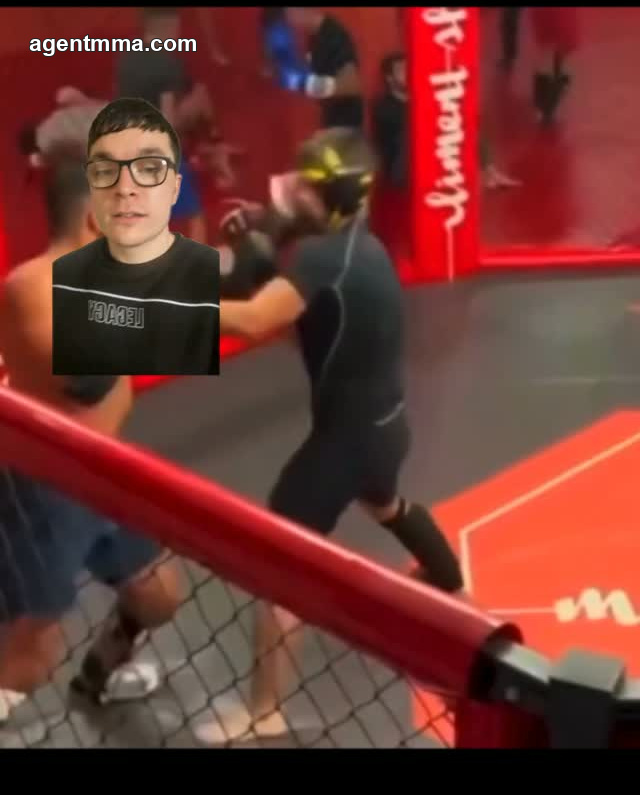

Eduard Vartanyan was reportedly attacked in the backstage area before his fight at ACA 202 in St. Petersburg, struck in the back of the head by friends of Zaur Gadzhiev. The incident highlights ongoing concerns about backstage security at ACA events. The reporter notes that ACA has historically been very strict about media access to locker rooms and backstage areas, often restricting journalists to media rooms or press seating. However, fighters not competing on the card and their entourages have been allowed access, leading to this incident. The reporter mentions that while access policies have improved recently, they are still not ideal, and suggests that non-competing fighters should face similar restrictions to prevent such incidents.
A troubling backstage incident marred ACA 202 in St. Petersburg on April 12, when featherweight contender Eduard Vartanyan was reportedly struck in the back of the head by associates of fellow fighter Zaur Gadzhiev before his scheduled bout at the event.
According to reports, the attack occurred in the backstage area ahead of Vartanyan's fight, raising immediate questions about the safety protocols in place at ACA events. The incident points to a recurring vulnerability in the promotion's access management: while ACA has long maintained strict policies restricting media personnel to press seating and designated media rooms, fighters not competing on a given card and their entourages have continued to move through backstage areas with considerably less oversight.
Why it matters
- A pre-fight physical altercation between a competing fighter and the associates of a rival represents a serious security failure at the organizational level.
- The disparity between how media access and fighter entourage access are managed has created a gap that, in this case, allegedly allowed for a physical confrontation backstage.
- ACA's access policies have reportedly improved in recent periods, but the incident underscores that restrictions on non-competing fighters and their teams remain insufficient.
The broader concern is one of fighter safety in a space that should be tightly controlled. Locker rooms and pre-fight staging areas are high-tension environments, and the presence of unvetted individuals connected to opposing camps creates conditions where confrontations can occur. Tightening access so that only competing fighters, their direct corners, and essential staff are permitted backstage would be a straightforward step toward preventing similar incidents at future ACA events.