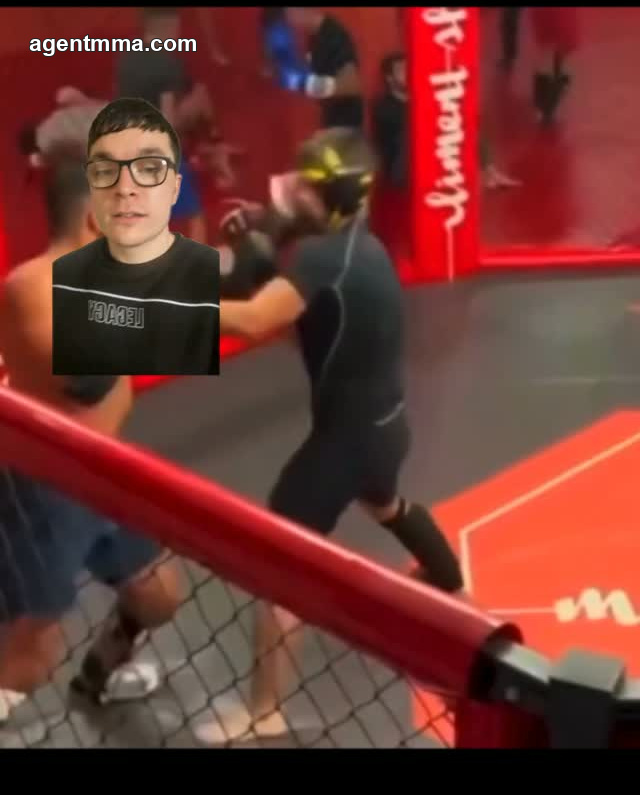

An analysis of Jiří Procházka's recent loss to Carlos Ulberg argues that the Czech fighter's defeat was caused by poor fight IQ rather than showing mercy to his injured opponent. The post references Procházka's favorite book, Miyamoto Musashi's "The Book of Five Rings," which emphasizes the singular focus on victory. The analyst contends that Procházka lost concentration, saw Ulberg as an easy target, and recklessly pursued a finish, which ultimately cost him the fight. The piece suggests that while Procházka could have fought more intelligently, his fighting philosophy has never centered on tactical discipline, and this fundamental approach led to his downfall against a one-legged opponent.
A recent analytical piece is challenging the widely held notion that Jiří Procházka's loss to Carlos Ulberg stemmed from an act of mercy toward his injured opponent, arguing instead that a fundamental lapse in fight IQ was the true cause of the Czech fighter's defeat.
The analysis draws on Procházka's well-documented affinity for Miyamoto Musashi's "The Book of Five Rings," a philosophical text centered on the singular pursuit of victory in combat. Rather than absolving Procházka through the lens of compassion, the piece contends that he lost concentration mid-fight, began treating Ulberg as an easy target once the New Zealander suffered his injury, and recklessly chased a finish in a manner that left him exposed. The argument is that this impulsive, finish-oriented approach — not any merciful impulse — is what ultimately undid him.
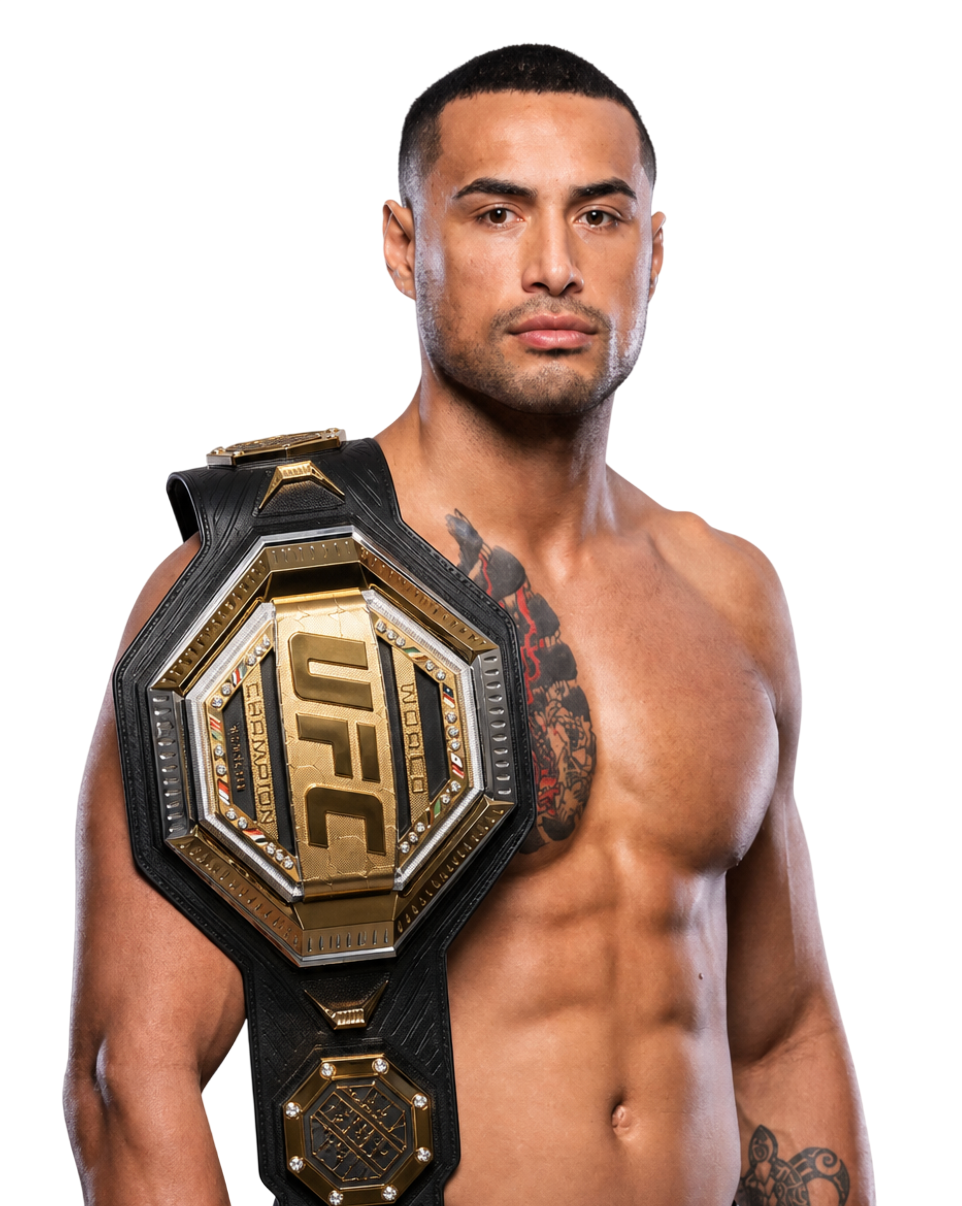
Ulberg, ranked third in the UFC light heavyweight division, improved to 15-1-0 with the victory. The 35-year-old City Kickboxing product stands six-foot-four with a 77-inch reach and has developed into one of the most prolific strikers in the division, landing 6.54 significant strikes per minute at a striking accuracy of 55 percent. Those numbers reflect a fighter who, even compromised, carries genuine finishing threat.
Why it matters
- The result dents Procházka's standing in a stacked light heavyweight division and raises questions about his strategic approach under pressure.
- Ulberg's win at number three in the rankings strengthens his case for a title shot and cements City Kickboxing's dominance at 205 pounds.
- The stylistic critique — reckless aggression versus tactical patience — cuts to the core of how Procházka operates and whether that philosophy can succeed at the highest level.
- The debate over intent versus execution has broader implications for how fighter decision-making is assessed in close, chaotic bouts.