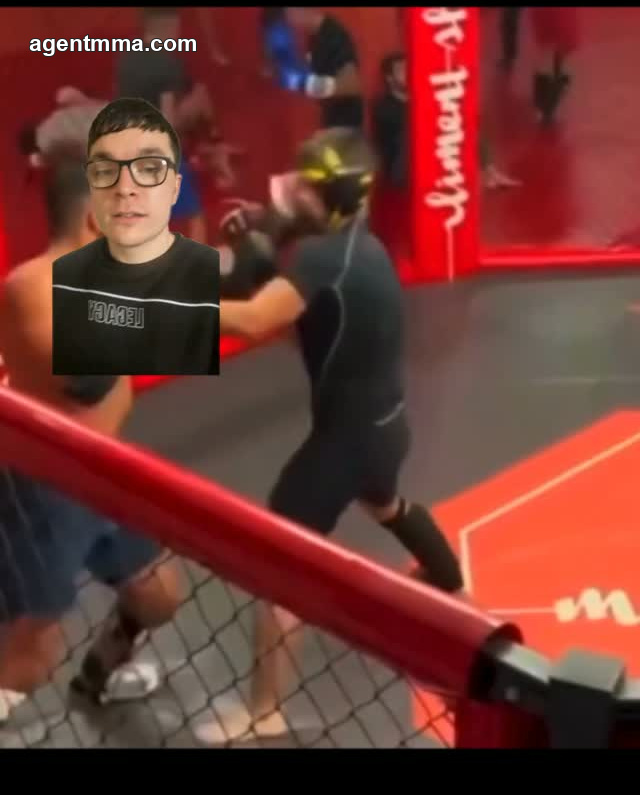

A detailed analysis of Jiri Prochazka's loss to Carlos Ulberg argues that the Czech fighter lost due to poor fight IQ rather than showing mercy to his injured opponent. The post references Prochazka's favorite book, Miyamoto Musashi's "Book of Five Rings," which emphasizes fighting to win without holding back. The analysis suggests Prochazka became overconfident, saw Ulberg as an easy target after injuring his leg, and recklessly pursued a finish without maintaining concentration. The conclusion is that Prochazka has never fought strategically and his aggressive philosophy cost him this fight. The debate centers on whether Prochazka showed compassion or simply lacked the technical skill to finish a compromised opponent.
A detailed analytical breakdown of Jiri Prochazka's defeat to Carlos Ulberg is making the rounds, and its central argument cuts against the narrative that the Czech fighter showed compassion toward a wounded opponent — instead, it frames the loss as a failure of fight intelligence.

Prochazka, 33, enters the aftermath of this fight as the number-two ranked light heavyweight in the world, carrying a record of 32-6-1. The six-foot-three Czech fighter out of Jetsaam Gym Brno is one of the division's most explosive offensive threats, landing 5.69 significant strikes per minute at 55 percent accuracy. The analysis draws directly on Prochazka's often-cited admiration for Miyamoto Musashi's "Book of Five Rings," a classical text that stresses relentless, uncompromising pursuit of victory. The argument follows that Prochazka's own philosophical touchstone condemns the approach he took inside the cage — that he became overconfident after injuring Ulberg's leg, abandoned tactical discipline, and chased a finish recklessly rather than executing with control.
Carlos Ulberg, nicknamed "Black Jag," is ranked third at light heavyweight and holds a 15-1-0 record. The New Zealand fighter, who trains out of City Kickboxing and stands six-foot-four, actually leads Prochazka in significant strikes landed per minute at 6.54, also matching him at 55 percent accuracy. That output suggests Ulberg was never truly a passive or easy target, regardless of any physical disadvantage he may have sustained during the fight.

Why it matters
- The result reshuffles the top of the light heavyweight division, with the gap between the second and third-ranked contenders now razor thin
- The debate over Prochazka's fight IQ has direct implications for how the UFC may evaluate his readiness for another title shot
- A style matchup between two high-volume Orthodox strikers was always likely to hinge on decision-making under pressure, the exact area being scrutinized