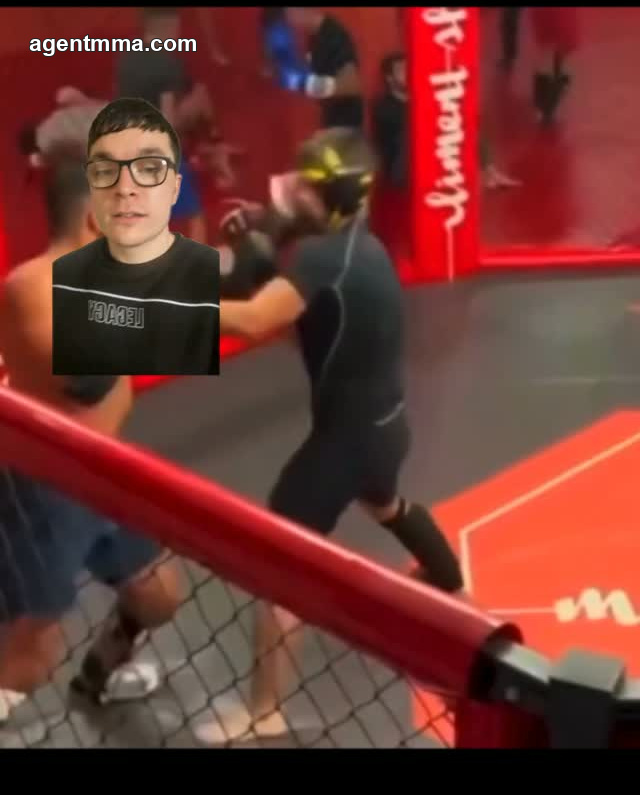
A detailed analysis examined Jiri Prochazka's post-fight claim of showing mercy to Carlos Ulberg. The post quotes from Prochazka's favorite book, Miyamoto Musashi's 'Book of Five Rings,' which emphasizes striking to defeat opponents without concern for strength. The analyst argues there was no mercy shown, but rather that Prochazka lost concentration, became overconfident seeing Ulberg as an easy target, and recklessly pursued a finish. The piece suggests Prochazka's issue is low fight IQ rather than compassion, noting he has never fought intelligently and his fighting philosophy differs from tactical efficiency. The analysis concludes Prochazka simply lacked the skill to finish a one-legged opponent.
A detailed post-fight analysis has pushed back sharply on Jiri Prochazka's claim that he showed mercy to Carlos Ulberg during their light heavyweight contest, arguing instead that the Czech fighter simply lost focus and paid the price.

Prochazka, 33, holds a 32-6-1 record and is ranked second in the UFC light heavyweight division. Fighting out of Jetsaam Gym Brno, the six-foot-three orthodox striker is one of the most aggressive finishers in the division, averaging 5.69 significant strikes per minute at 55 percent accuracy. After the loss to Ulberg, Prochazka cited Miyamoto Musashi's Book of Five Rings — a text he has publicly referenced as a philosophical touchstone — in framing his in-cage decision-making as an act of restraint.
Ulberg, nicknamed Black Jag, represents the New Zealand powerhouse City Kickboxing and enters the rankings at number three with a 15-1-0 record. The 35-year-old stands six-foot-four with a 77-inch reach and is no less dangerous on the feet, averaging 6.54 significant strikes per minute at the same 55 percent accuracy as Prochazka.

Why it matters
- The analysis directly contradicts Prochazka's own narrative, framing the loss as a product of poor fight IQ rather than philosophical choice.
- Ironically, the analyst uses Musashi's own words against Prochazka, citing passages that emphasize relentless focus on defeating opponents regardless of perceived advantage.
- The outcome reshuffles the top of a crowded light heavyweight division, with Ulberg at number three now firmly in contention and Prochazka's path back complicated by questions about his tactical decision-making.
- The piece raises a broader question about whether Prochazka's unconventional philosophy is a genuine strategic framework or a post-hoc explanation for reckless aggression.