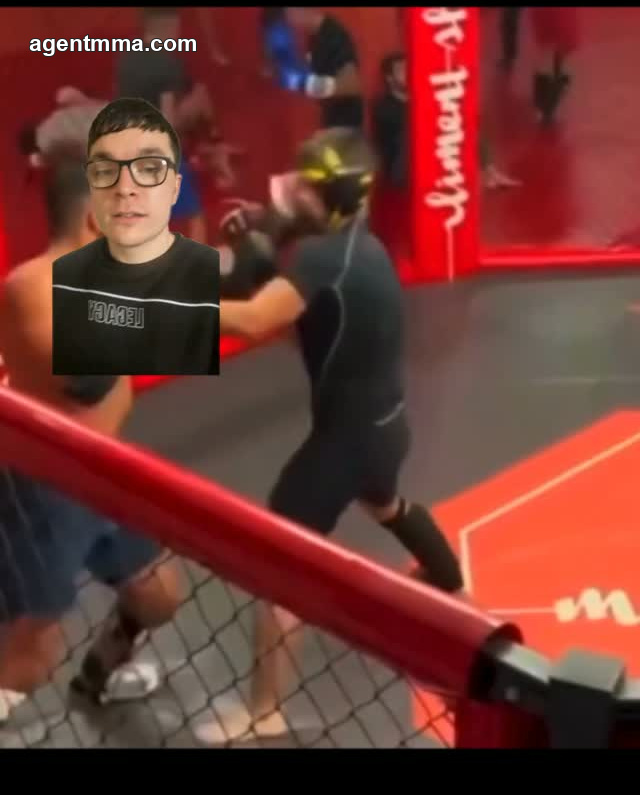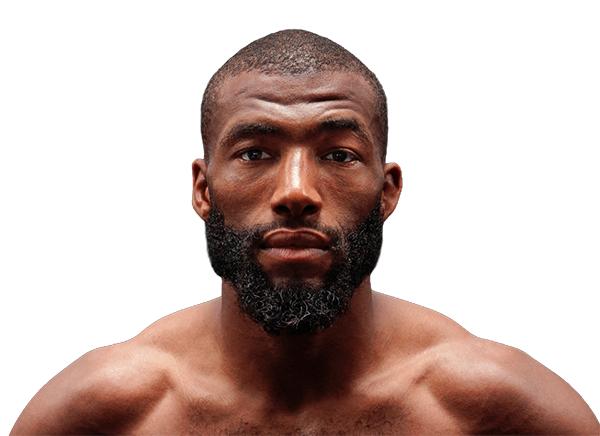

A detailed analysis examines Jiri Prochazka's loss to Carlos Ulberg through the lens of Prochazka's favorite book, Miyamoto Musashi's "Book of Five Rings." The post argues that Prochazka did not show mercy but rather lost concentration, relaxed when he saw Ulberg as an easy target, and irresponsibly went for the finish. The author suggests Prochazka's downfall was low fight IQ rather than compassion. The analysis notes that Prochazka has never fought smartly and his fighting philosophy ultimately cost him against a one-legged opponent. Fans are asked to weigh in on whether mercy was involved or if Prochazka simply lacked the skill to finish an injured opponent.
A post-fight analysis circulating online has reignited debate over Jiri Prochazka's defeat to Carlos Ulberg, arguing that the Czech contender's downfall was a failure of fight intelligence rather than any act of compassion toward an injured opponent.
Prochazka, 33, carries a 32-6-1 record and holds the number-two ranking in the UFC light heavyweight division. The six-foot-three Czech fighter out of Jetsaam Gym Brno is one of the division's most aggressive strikers, averaging 5.69 significant strikes per minute at 55 percent accuracy, with an 80-inch reach that makes him a threat from distance. The analysis frames his approach through Miyamoto Musashi's "Book of Five Rings," a text the fighter has publicly cited as an influence on his fighting philosophy.

Carlos Ulberg, ranked third at light heavyweight, brings a 15-1-0 record into the conversation. The New Zealand-born City Kickboxing product, nicknamed "Black Jag," stands six-foot-four at 193 cm and actually edges Prochazka in striking output, averaging 6.54 significant strikes per minute at the same 55 percent accuracy. Ulberg was 35 at the time of the contest.
The central argument of the analysis is that Prochazka did not ease up out of mercy when he saw Ulberg hurt or hindered, but instead lost focus and attacked recklessly, abandoning the discipline his own philosophical framework demands. The author contends that spotting a vulnerable opponent caused Prochazka to relax prematurely and lunge for a finish without the necessary composure, a pattern the piece suggests is consistent across his career.

Why it matters
- Prochazka's loss reshuffles the top of a crowded light heavyweight division, with both men ranked in the top three
- The debate raises broader questions about whether Prochazka's high-risk, instinct-driven style is sustainable at championship level
- A fighter of Ulberg's striking volume proving dangerous even while injured underlines how thin the margins are at the top of the division