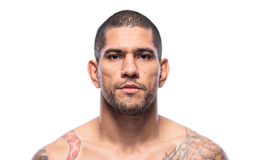

Carlos Ulberg provided an update on his knee condition following his recent fight. His knee is currently swollen and he has difficulty standing, forcing him to move slowly to get anywhere. During the fight, Ulberg felt as though his knee was moving in and out of the joint. He was unable to put weight on the leg due to unbearable pain. The champion is dealing with significant mobility limitations as he recovers from the injury sustained during competition.
Carlos Ulberg has revealed the extent of a serious knee injury suffered during his most recent fight, describing significant swelling and an inability to bear weight on the affected leg.
The New Zealand light heavyweight, who competes out of City Kickboxing, said the knee felt as though it was repeatedly moving in and out of the joint during the contest, generating unbearable pain that left him barely able to stand afterward. He is currently moving slowly and with great difficulty as he manages the injury in the early stages of recovery.
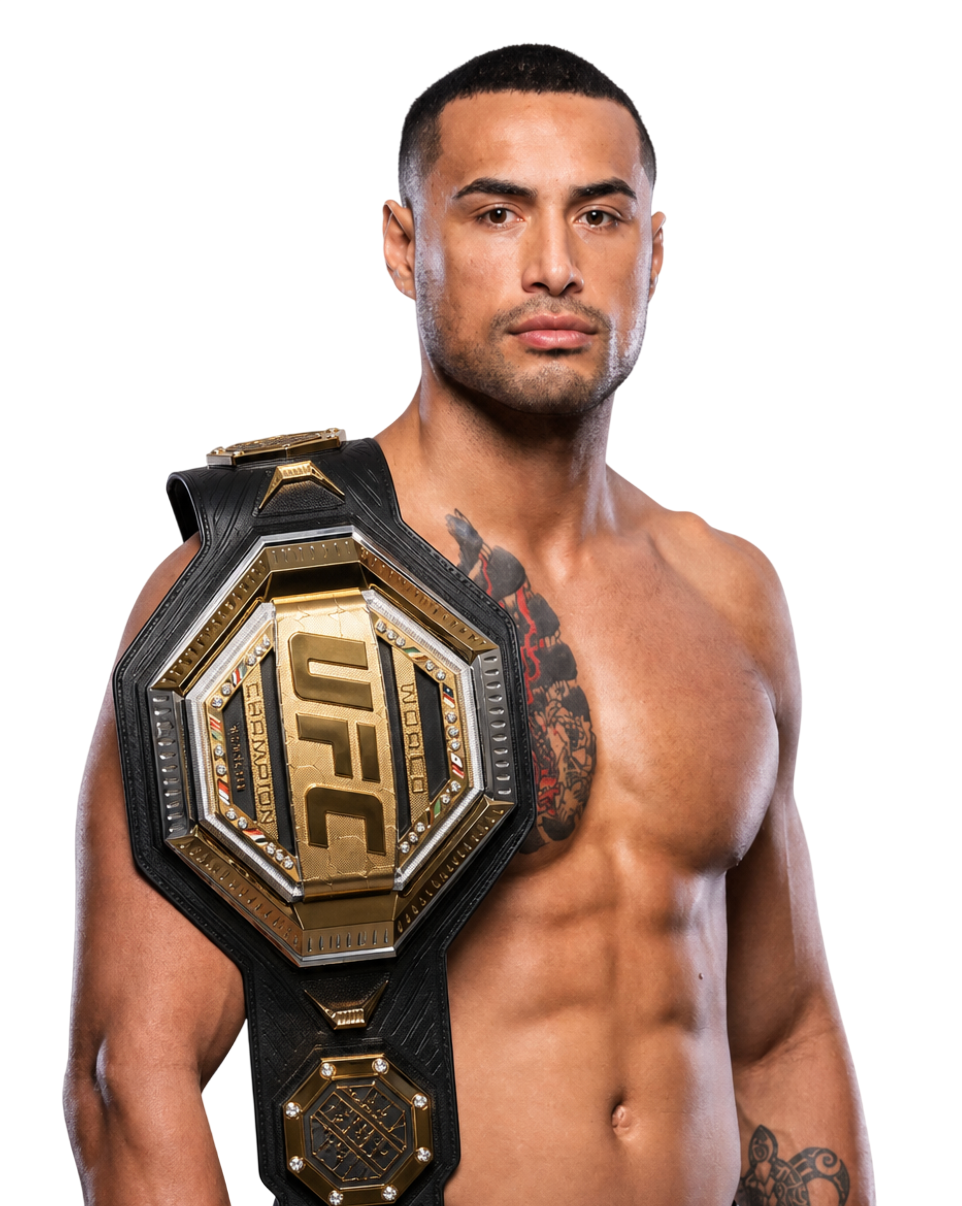
Ulberg, nicknamed "Black Jag," carries a record of 15 wins and one loss at 35 years old. Standing six-foot-four with a 77-inch reach, he is ranked third in the light heavyweight division and holds champion status. His striking-heavy style has produced some of the most eye-catching numbers in the division — he lands 6.54 significant strikes per minute at an accuracy rate of 55 percent, figures that place him among the busiest and most precise punchers at 205 pounds.
Why it matters
- Ulberg holds the light heavyweight title, meaning any prolonged absence creates uncertainty at the top of the division
- A knee injury serious enough to prevent weight-bearing typically requires extensive rehabilitation and could affect his timeline significantly
- His style is built on movement and explosive striking, making full recovery from a mobility-limiting knee issue especially critical to his performance
The severity of what Ulberg described — a joint that felt unstable mid-fight and has since left him largely immobilized — suggests the road back will require careful medical evaluation before any competitive timeline can be established.