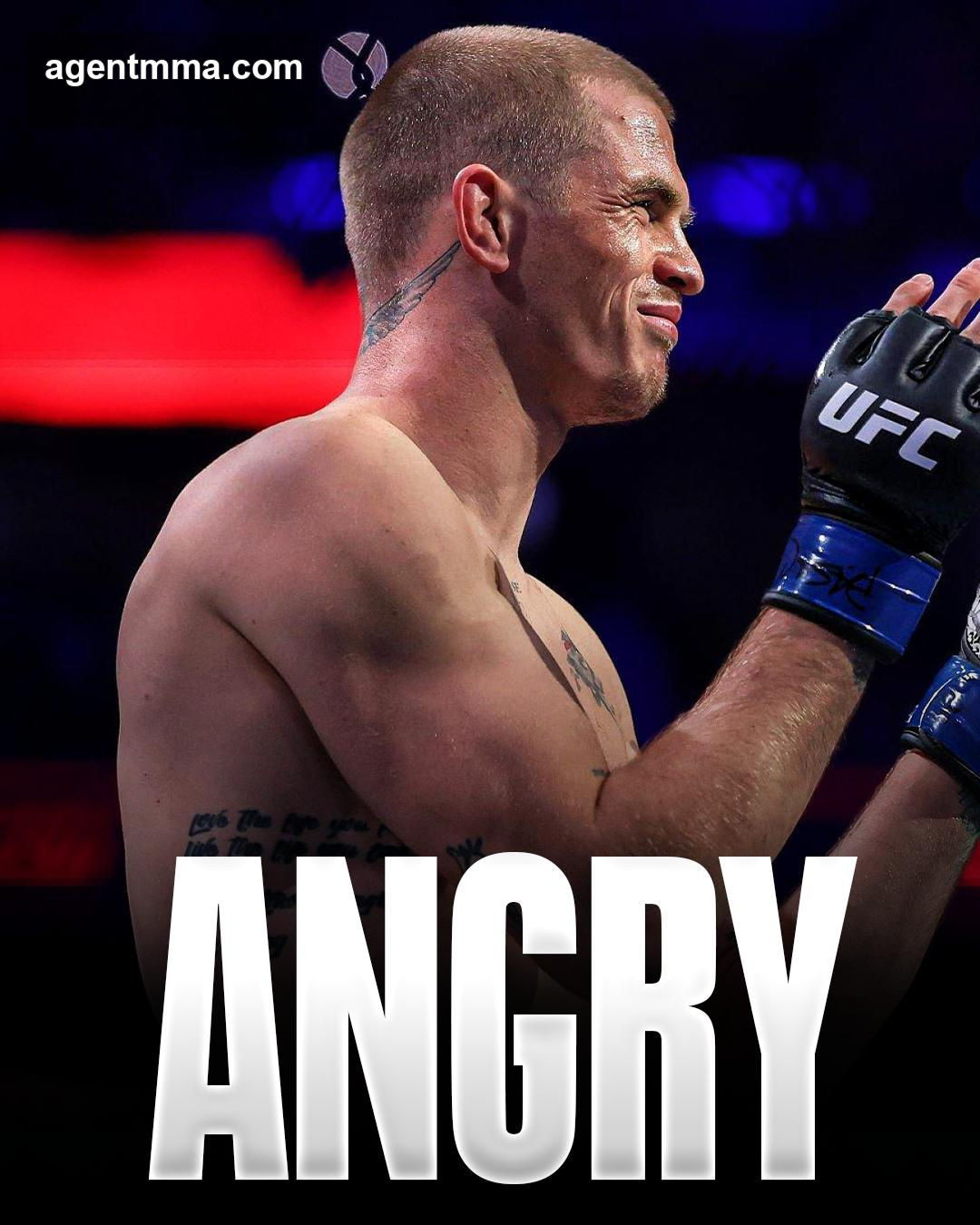

Daniel Rodriguez shared details about his arrest at the Mexican border, which resulted in an eight-month jail sentence. Rodriguez stated he initially expected to spend only a weekend or less in custody, but Mexico's laws proved much stricter than anticipated. Kevin Holland posted bail for Rodriguez last week, securing his release. According to Holland, he bailed out Rodriguez because he wants a rematch with him. Rodriguez was freed after Holland's intervention last week.
Daniel Rodriguez has opened up about a serious legal ordeal that kept him behind bars in Mexico for eight months, with fellow welterweight Kevin Holland ultimately stepping in to post bail and secure his release last week.

Rodriguez, known as "D-Rod," is a 39-year-old southpaw out of 10th Planet Jiu-Jitsu who holds a 20-5 record and sits ranked 14th in the welterweight division. One of the more active strikers in the 170-pound class, he lands an impressive 7.2 significant strikes per minute at 49 percent accuracy. Rodriguez recounted that when he was arrested at the Mexican border, he expected to be held for no longer than a weekend. Instead, he ran headlong into Mexican law, which proved far harsher than he had anticipated, resulting in an eight-month stint in custody.
The man who got him out was Holland, the 33-year-old "Trailblazer" who competes out of Phalanx MMA Academy and carries a 29-15 record. Standing six-foot-three with an 81-inch reach, Holland is a high-output striker himself, averaging 4.26 significant strikes per minute. His motive for intervening was straightforward and self-interested: Holland stated he bailed Rodriguez out because he wants a rematch between the two.

Why it matters
- Rodriguez's prolonged absence from competition could affect his position at number 14 in the welterweight rankings
- Holland's stated desire for a rematch gives the bail-out a clear competitive dimension, setting up a potential future booking
- The contrasting styles — Rodriguez's high-volume southpaw striking versus Holland's rangy orthodox attack and submission threat — make a second meeting a compelling matchup for the division