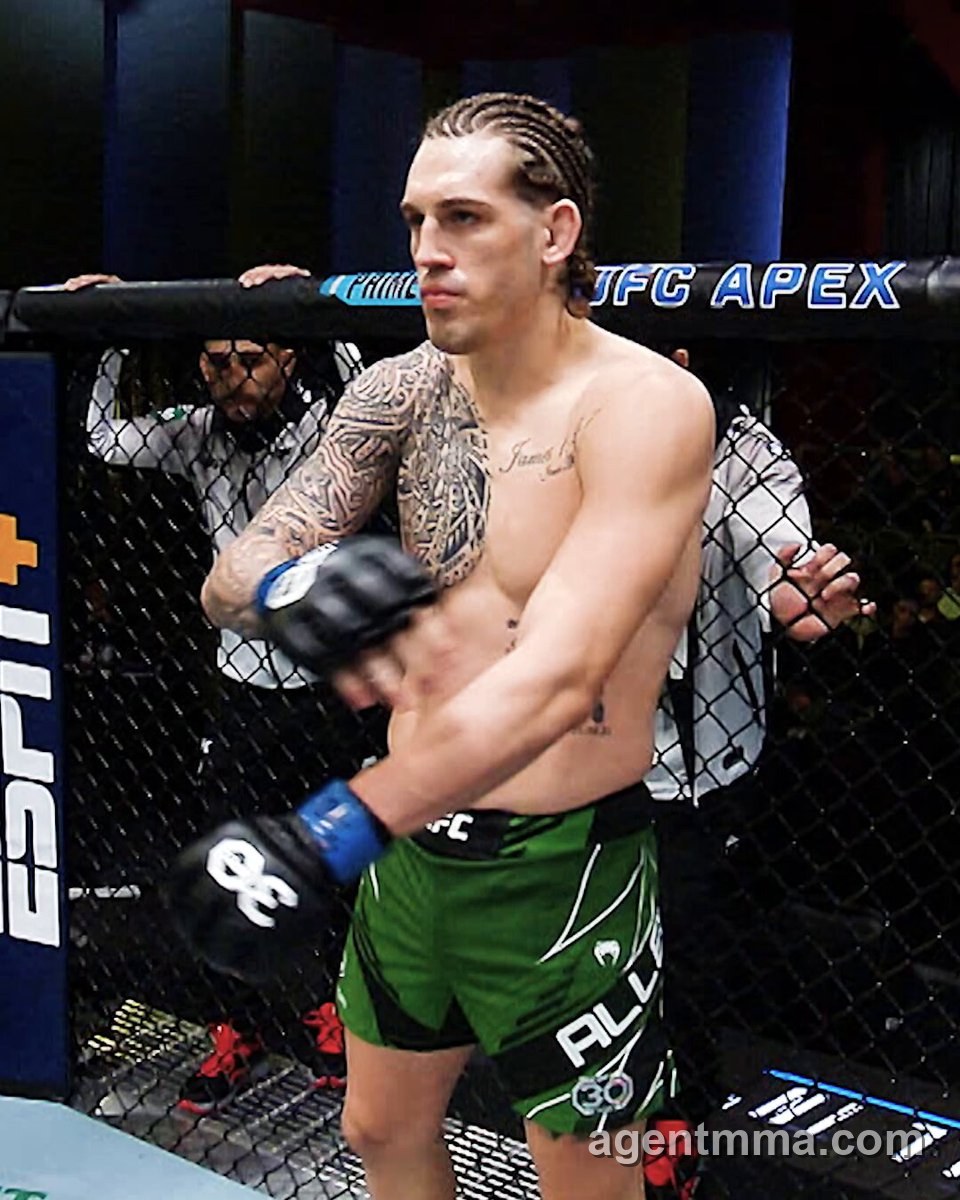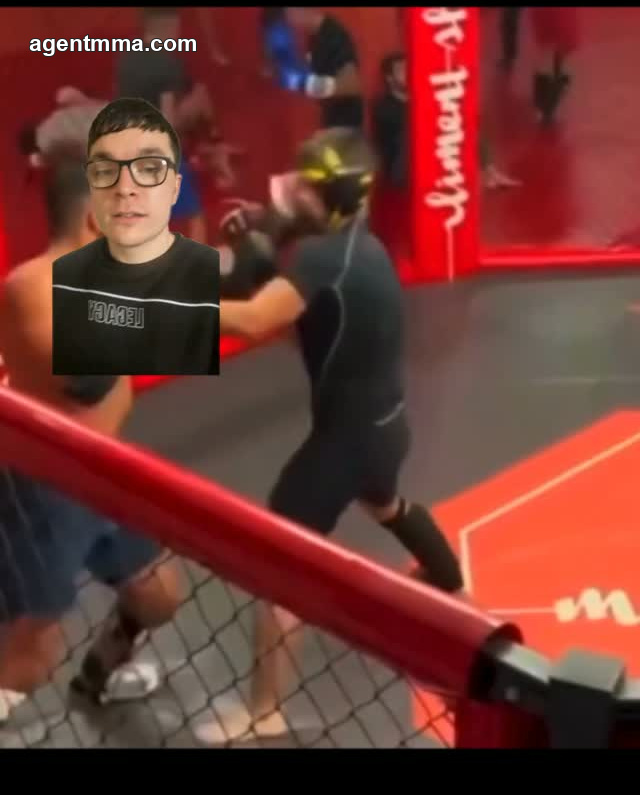
Sean O'Malley has started training according to Jiri Prochazka's training system. The post asks for speculation about what might come from this new training approach. Specific details about the training methods or O'Malley's reasons for adopting Prochazka's system are not provided. The announcement appears to be recent and the results of this training change remain to be seen.
Sean O'Malley has begun incorporating Jiri Prochazka's training system into his preparation, marking a notable shift in the bantamweight contender's approach to developing his game.
O'Malley, known by his nickname "Suga," carries a 20-3-0 record and sits fourth in the bantamweight division at 31 years old. The American fighter out of MMA Lab is already one of the more prolific strikers in the sport, landing 6.05 significant strikes per minute at a 60 percent accuracy rate. Standing five-foot-eleven with a 72-inch reach, he operates out of a switch stance and has built his reputation almost entirely on his striking.

Prochazka, the fighter whose system O'Malley is now drawing from, holds a 32-6-1 record and is ranked second in the light heavyweight division. The 33-year-old Czech fighter from Jetsaam Gym Brno is one of the most unorthodox strikers in the UFC, landing 5.69 significant strikes per minute at 55 percent accuracy, with an imposing six-foot-three frame and an 80-inch reach. His training methodology, developed through years of intense martial arts study, has earned widespread attention beyond his own weight class.
No specific details about the training methods involved or O'Malley's stated reasons for the move have been disclosed.

Why it matters
- O'Malley is already a high-output striker, and adding elements from Prochazka's system could further sharpen his offensive arsenal
- Prochazka's unorthodox movement and attack patterns are rarely seen at bantamweight, potentially creating new stylistic challenges for divisional opponents
- With O'Malley ranked fourth at 135 pounds, any meaningful improvement in his striking could have direct implications in a competitive division