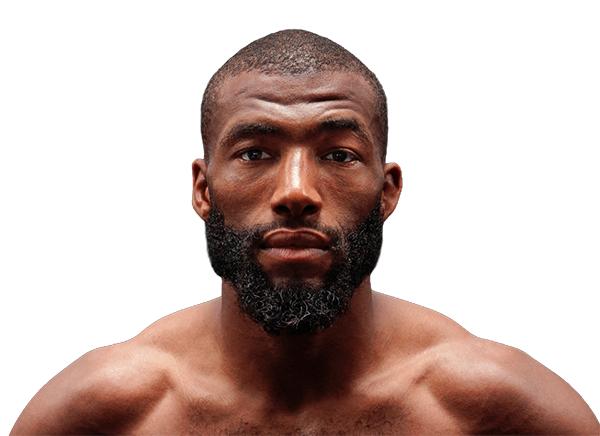

Dustin Poirier refuted Jiri Prochazka's statements about showing mercy during their fight. Poirier characterized Prochazka's claim as an unsuccessful attempt to set up a spectacular finish. The American fighter dismissed the notion that Prochazka held back during their encounter. Poirier's response suggests he views the mercy narrative as an excuse rather than reality. The exchange highlights ongoing tension between the two fighters regarding their bout.
Dustin Poirier has publicly pushed back against Jiri Prochazka's claim that the Czech fighter showed mercy during their bout, calling the narrative a poor excuse rather than any reflection of what actually happened inside the cage.
Poirier, 37, is one of the most decorated fighters in recent UFC history, carrying a 30-10-0 record under the banner of American Top Team. Fighting out of a southpaw stance at five-foot-nine with a 72-inch reach, "The Diamond" has built his reputation on relentless output, averaging 5.24 significant strikes landed per minute at 50 percent accuracy, while also presenting a consistent threat on the ground with 1.15 takedowns and 1.2 submission attempts per 15 minutes.

Prochazka, ranked second in the light heavyweight division, holds a 32-6-1 record and trains out of Jetsaam Gym Brno in the Czech Republic. The 33-year-old stands six-foot-three with an extraordinary 80-inch reach and is among the most aggressive strikers in the 205-pound weight class, landing 5.69 significant strikes per minute at a sharp 55 percent accuracy. His unorthodox, high-volume striking style has made him one of the most dangerous finishers in the division.
According to Poirier, Prochazka's suggestion that he pulled back during their contest is simply not credible. Poirier characterized the mercy claim as a failed attempt to frame a potential finish as an intentional choice rather than a missed opportunity.

Why it matters
- The public dispute keeps tensions alive between two high-profile fighters and could fuel a rematch narrative at light heavyweight
- Prochazka's number-two divisional ranking means any continued feud carries genuine title-picture implications
- The contrasting styles — Prochazka's long-range, high-accuracy striking against Poirier's volume and grappling threat — make a second meeting a compelling stylistic puzzle