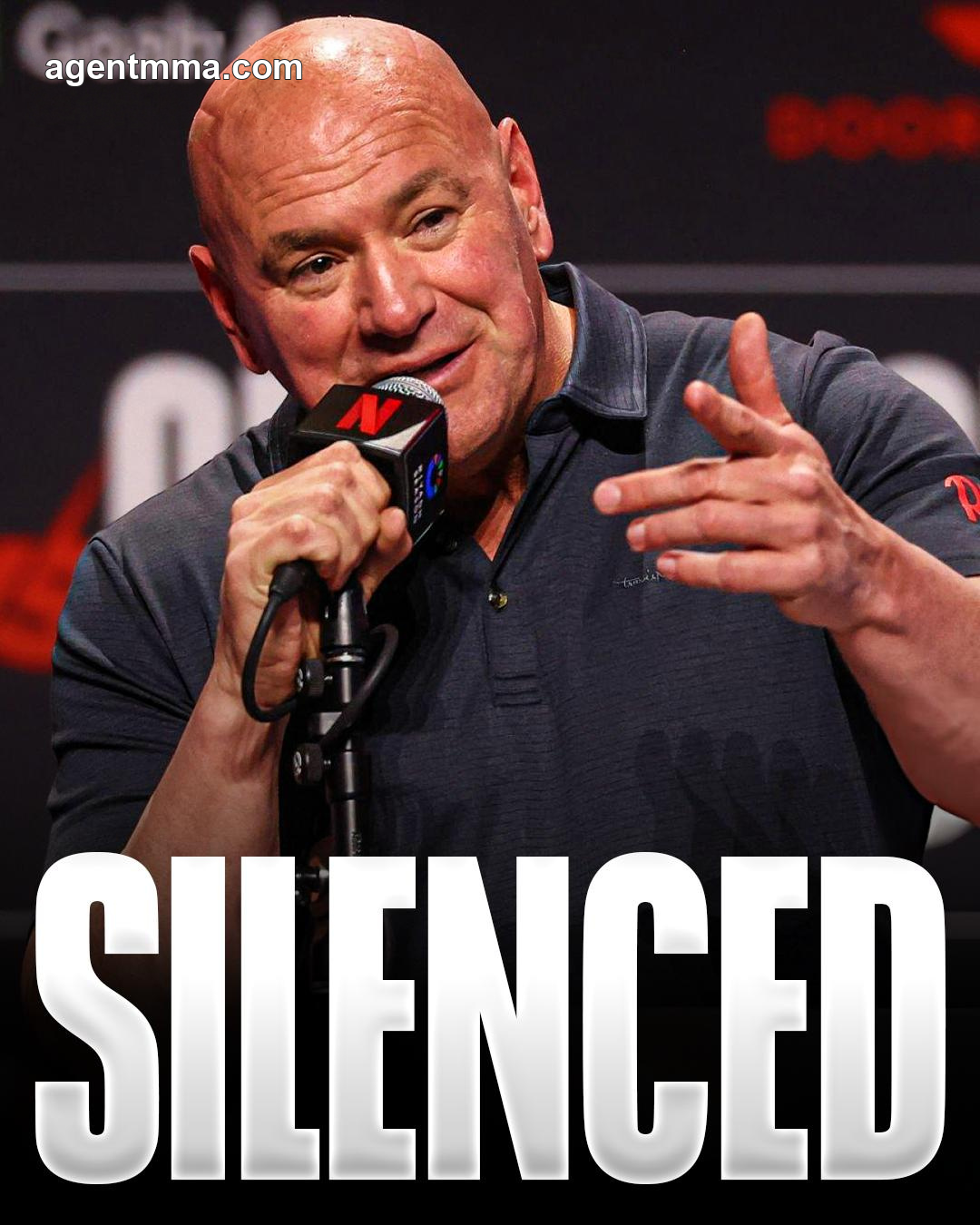

Paulo Costa publicly criticized Jiri Prochazka following his weekend performance. Costa stated that if Prochazka shows mercy in the cage, he is in the wrong sport and should pursue something else. The comments sparked mixed reactions, with some supporting Costa's perspective and others viewing it as excessive negativity toward Prochazka. The criticism comes after Prochazka's recent fight appearance. Costa's remarks reflect ongoing debates about aggression and finishing in MMA.
Paulo Costa publicly called out Jiri Prochazka following the Czech fighter's most recent performance, arguing that showing mercy inside the cage has no place in mixed martial arts.
Costa, known as "The Eraser," made his feelings clear in remarks that drew a divided response online. The Brazilian stated that any fighter who shows mercy in competition is in the wrong sport and should consider pursuing something else. The comments ignited debate around finishing instincts and aggression in MMA, with some backing Costa's viewpoint and others condemning it as unnecessary negativity toward a fellow competitor.

Costa enters the conversation as a ranked middleweight contender sitting 13th in his division. The 35-year-old holds a professional record of 16-4-0 and brings legitimate striking credentials to any debate about finishing: he lands 6.26 significant strikes per minute at a 58 percent accuracy rate, among the sharper outputs in the sport.
Prochazka, the target of the criticism, is a 33-year-old light heavyweight ranked second in the world. The Czech Republic native carries a record of 32-6-1 and fights out of Jetsaam Gym Brno. Standing six-foot-three with an 80-inch reach, Prochazka is himself one of the more aggressive finishers in the 205-pound division, landing 5.69 significant strikes per minute at 55 percent accuracy. The criticism from Costa surprised many observers given that profile.

Why it matters
- Prochazka is ranked second at light heavyweight, making any narrative around his performances carry divisional weight
- Costa's comments reignite broader MMA debates about aggression, finishing and the ethics of letting off pressure in a fight
- The two fighters compete in different weight classes, so the exchange is a social and reputational flashpoint rather than a direct matchup development