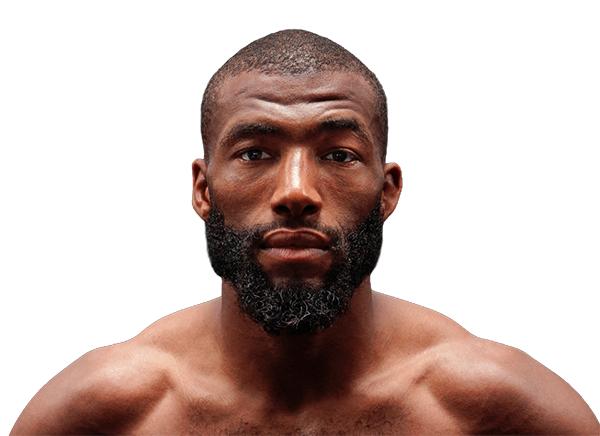
Merab Dvalishvili spoke about how much damage he took from Petr Yan in their rematch. Despite his nickname being 'The Machine,' Dvalishvili admitted that against Yan he felt like just a human. He acknowledged the Russian fighter's striking power and the difficulty of the fight. Dvalishvili's comments show respect for his opponent's skills and reflect the competitive nature of their second encounter. His willingness to acknowledge Yan's strength was noted as a sign of maturity and growth.
Merab Dvalishvili opened up about the punishment he absorbed during his rematch with bantamweight champion Petr Yan, admitting the Russian's striking power pushed him well beyond the limits his nickname suggests.

Dvalishvili, who carries the moniker "The Machine," confessed that against Yan he felt like just a human being. The Georgian fighter, now 21-5 and ranked number one at bantamweight as well as second in the pound-for-pound standings, is known for relentless output and a suffocating wrestling game — averaging 6.4 takedowns per 15 minutes and 4.33 significant strikes landed per minute. At 35, fighting out of the Serra-Longo Fight Team, he has built his reputation on grinding opponents into submission through sheer volume and physicality.
Yan, who holds the bantamweight title with a record of 20-5, demonstrated why he is one of the most dangerous strikers in the division. The 33-year-old Russian lands 5.12 significant strikes per minute at a striking accuracy of 54 percent — among the highest in the weight class. His switch-hitting stance and sharp timing make him a uniquely difficult puzzle, and Dvalishvili's candid remarks reflected genuine respect for those qualities.

Why it matters
- Dvalishvili's acknowledgment of Yan's power adds weight to the champion's credentials heading into future title defenses.
- The rematch reinforced that Yan's striking remains elite even against a top-two pound-for-pound opponent.
- Both men's records now sit at the center of the bantamweight division's most compelling storylines.
- Dvalishvili's public self-reflection signals a maturity that could shape how he approaches future camp adjustments.
Merab Dvalishvili vs Petr Yan
See the AI pick, live odds and the full matchup breakdown