
Conor McGregor has paid compensation to Artem Lobov following Lobov's claims that he helped create the Proper Twelve whiskey brand. Lobov had previously filed a lawsuit seeking payment for his alleged contribution to the brand's development. Media reports indicate McGregor earned over $100 million from selling his shares in the whiskey company. Both McGregor and Lobov declined to disclose the exact amount of compensation paid. Lobov had previously claimed he was the one who conceived the whiskey idea.
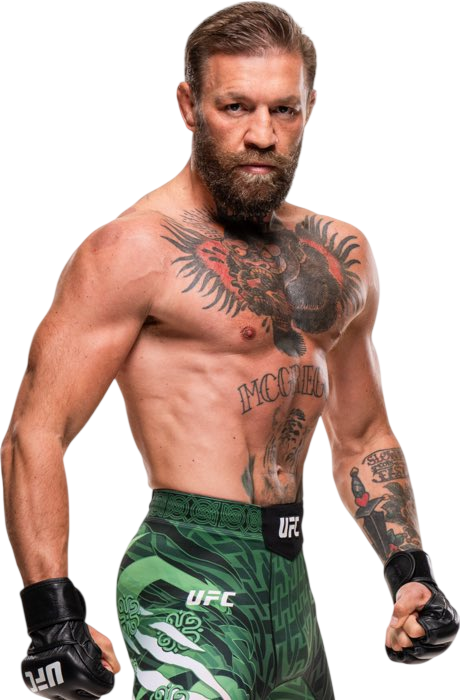
Conor McGregor has paid a financial settlement to fellow SBG Ireland teammate Artem Lobov, resolving a legal dispute tied to the Proper Twelve Irish whiskey brand, it was confirmed on April 16, 2026.
Lobov had filed a lawsuit against McGregor, claiming he played a role in conceiving and developing the Proper Twelve brand before it became a commercial success. McGregor reportedly earned in excess of $100 million when he sold his stake in the company. Neither fighter disclosed the specific amount Lobov received as part of the settlement.
McGregor, 37, is one of the most recognizable fighters in MMA history. The Dublin-born southpaw carries a professional record of 22-6 inside the cage and built much of his brand during a run of high-profile fights at featherweight and lightweight. He lands 5.32 significant strikes per minute at a 49 percent accuracy rate, figures that reflect the sharp, calculated boxing that made him a global star.
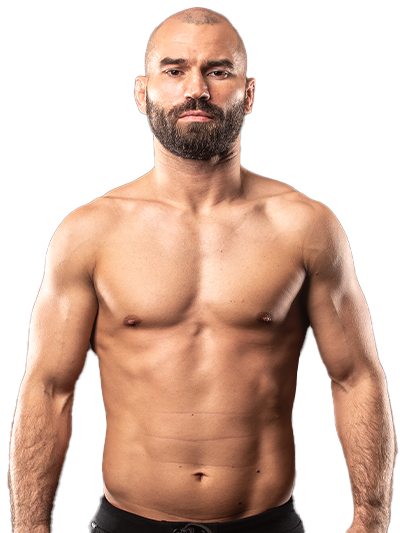
Lobov, 39, is also Irish-based and trains alongside McGregor at SBG Ireland. The Russian-born southpaw holds a 13-15-1 professional record and competed primarily at featherweight during his UFC stint. He averages 3.52 significant strikes per minute at 41 percent accuracy. Lobov had publicly stated on multiple occasions that the original idea for the whiskey brand came from him, a claim that formed the basis of his legal action.
Why it matters
- The settlement closes a public dispute between two long-time teammates and training partners
- Lobov argued his contribution to a brand worth over $100 million went uncompensated, raising broader questions about intellectual credit in fighter-backed business ventures
- Neither party disclosed terms, leaving the full financial resolution private