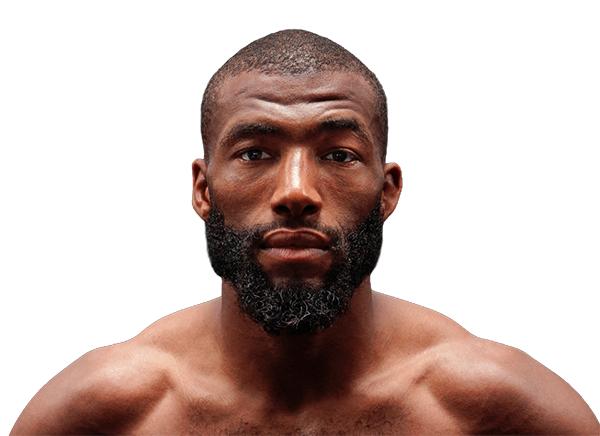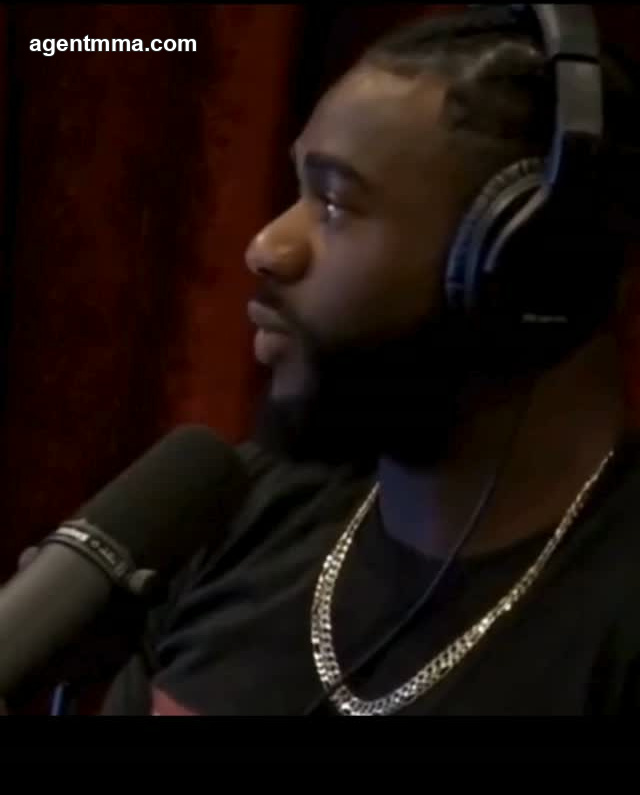

Curtis Blaydes stated he respects Josh Hockit as a fighter despite not liking his personality or pre-fight antics. Blaydes explained it would be insincere and hypocritical to call Hockit names after their fight, acknowledging that Hockit can fight and broke his orbital bone. While Blaydes doesn't appreciate Hockit's persona and 'gimmicks,' he respects him inside the octagon when they face each other with gloves on. The post characterizes this as a mature stance from Blaydes, showing professional respect for an opponent's skills separate from personal feelings.
Curtis Blaydes has offered a measured take on his relationship with Josh Hockit, drawing a clear line between personal dislike and professional respect for an opponent's abilities inside the octagon.
Speaking in a recent interview, Blaydes said he holds genuine respect for Hockit as a fighter despite having no affinity for his personality or pre-fight conduct. The heavyweight contender acknowledged it would be hypocritical to disparage Hockit after their bout, pointing to a specific consequence of their fight — a broken orbital bone — as evidence that Hockit's ability is not in question. Blaydes made clear the issue is with the persona and gimmicks, not the fighter.
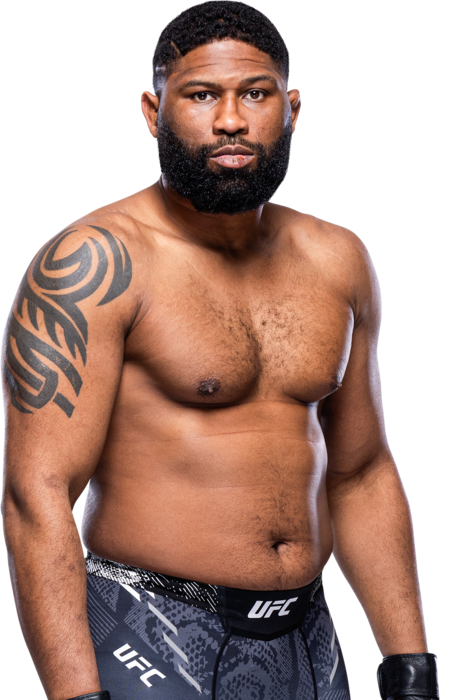
Blaydes, known as "Razor," is ranked fourth in the UFC heavyweight division. The 35-year-old American trains out of Elevation Fight Team and carries a professional record of 19-6. Standing six-foot-four with an 80-inch reach, he is a physically imposing presence in the division and one of its more technically complete fighters, averaging 5.38 takedowns per 15 minutes and landing strikes at a 50 percent accuracy rate.
Why it matters
- Blaydes sits at number four in the heavyweight rankings, meaning any rivalry narrative surrounding this fight carries real divisional weight.
- The admission that Hockit broke his orbital bone is a notable acknowledgment of the challenger's power and effectiveness in competition.
- Separating personal animosity from competitive respect is a relatively rare stance in a sport that often leans on manufactured antagonism, and it frames any potential rematch conversation in a more straightforward light.