
Conor McGregor has paid compensation to Artem Lobov following Lobov's claim that he helped create the Proper Twelve whiskey brand. Lobov had filed a lawsuit seeking payment for his alleged contributions to the venture. McGregor reportedly earned over $100 million from selling his shares in the whiskey company. Both McGregor and Lobov declined to disclose the exact amount of the settlement. Lobov had previously claimed he was the one who conceived the entire whiskey idea.
Conor McGregor has reached a financial settlement with longtime training partner Artem Lobov, resolving a legal dispute centered on the origins of the Proper Twelve Irish whiskey brand, with both parties confirming an agreement as of April 2026.
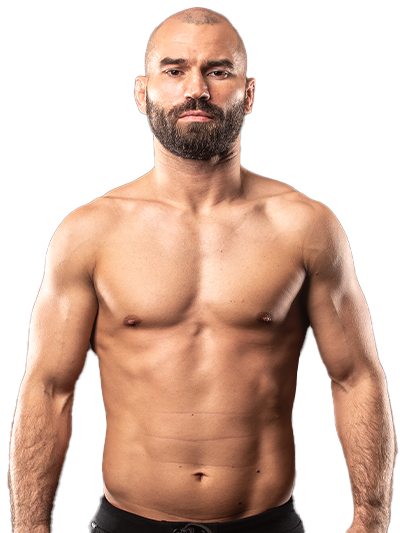
Lobov, known as "The Russian Hammer," had filed a lawsuit against McGregor alleging that he conceived the idea for Proper Twelve and played a meaningful role in building the brand. Lobov claimed he deserved a share of the proceeds after McGregor earned a reported sum exceeding $100 million from the eventual sale of his stake in the company. The 39-year-old southpaw, who holds a professional MMA record of 13-15-1 and has competed out of SBG Ireland, insisted publicly that the whiskey concept originated with him.
McGregor, 37, is one of combat sports' most recognizable figures and carries a professional record of 22-6-0. The Dublin-born fighter, also a southpaw and also representing SBG Ireland, built a career defined by high-volume striking, landing 5.32 significant strikes per minute at 49 percent accuracy. His business ventures, most notably Proper Twelve, have made him as prominent outside the cage as inside it.
Neither McGregor nor Lobov disclosed the specific terms or financial figure agreed upon in the settlement, leaving the exact compensation Lobov received unknown.

Why it matters
- The settlement closes a high-profile legal dispute between two longtime teammates that drew attention well beyond the MMA community.
- McGregor's reported $100 million-plus windfall from the whiskey sale had made the scale of Lobov's alleged contribution — and his exclusion from profits — a point of significant public debate.
- The case raised broader questions about intellectual property and business arrangements between fighters and their inner circles.