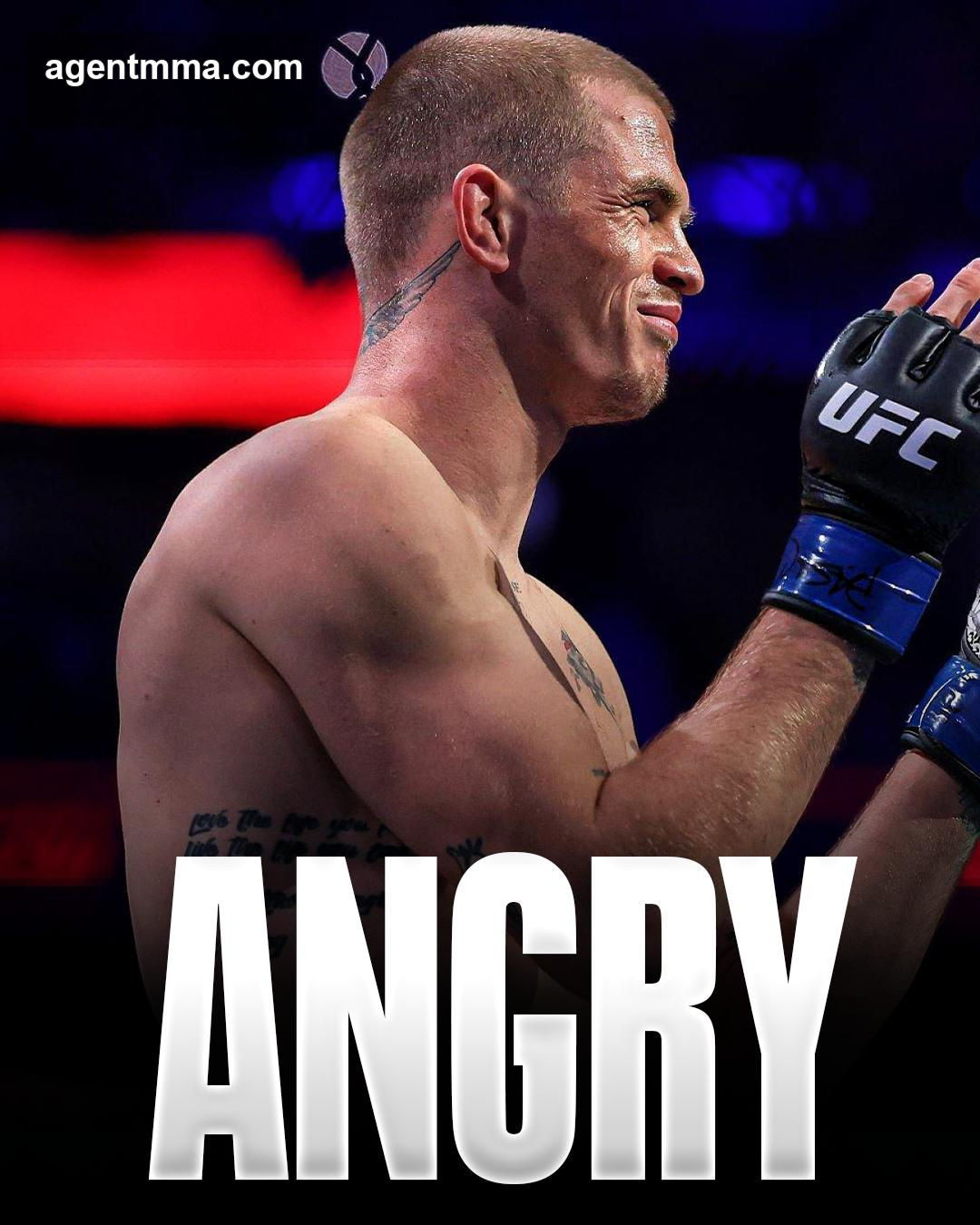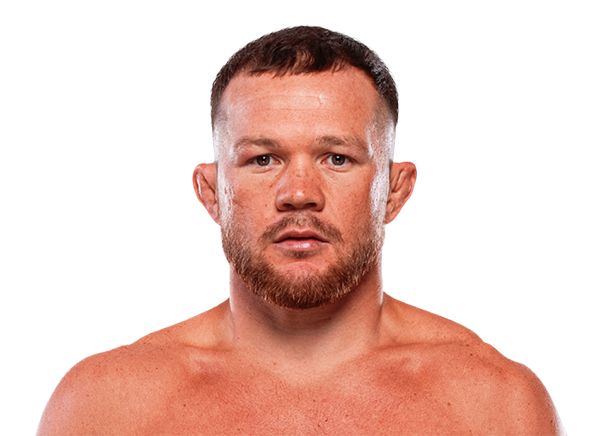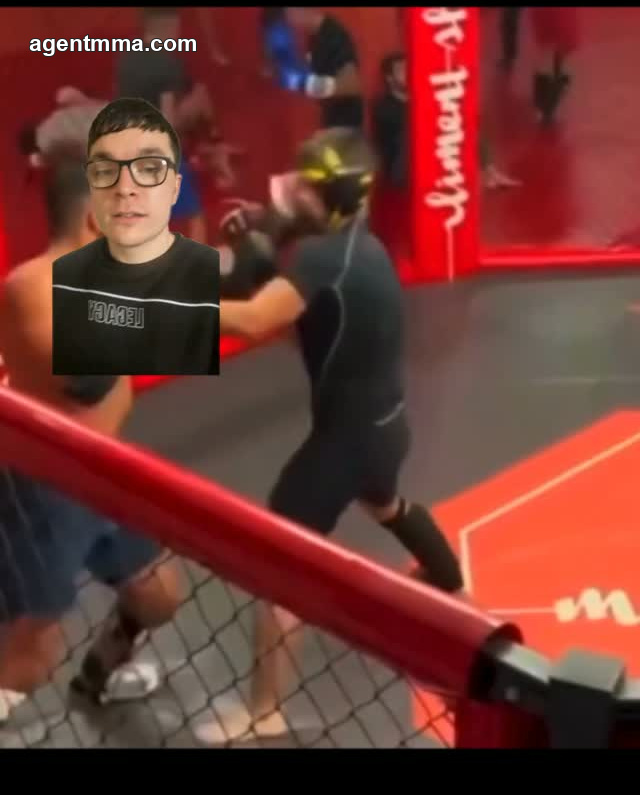
Curtis Blaydes has stated he respects Josh Haquit as a fighter despite their heated exchanges and Haquit's behavior before their bout. Blaydes said it would be insincere and hypocritical to call Haquit weak after their fight, acknowledging that Haquit can truly fight. While Blaydes admits he doesn't like Haquit's personality or antics outside the cage, he respects him as an opponent inside the octagon. Blaydes questioned how he could not respect someone who broke his orbital bone during their fight. His comments demonstrate a clear separation between personal feelings and professional respect for fighting ability.
Curtis Blaydes has offered a candid post-fight assessment of Josh Haquit, drawing a firm line between personal animosity and professional admiration following a bout marked by pre-fight friction between the two heavyweights.
Blaydes, ranked fourth in the UFC heavyweight division, acknowledged that calling Haquit weak after their fight would be both insincere and hypocritical. His reasoning was direct: Haquit broke his orbital bone during the contest, and Blaydes said he could not deny respect to someone capable of that. While he made clear he has no affection for Haquit's personality or behavior outside the cage, he separated those feelings entirely from his assessment of Haquit's ability as a fighter.
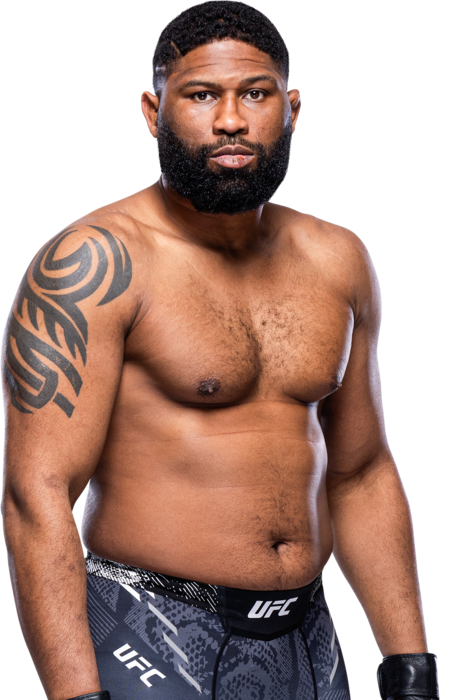
The 35-year-old American, who trains out of Elevation Fight Team, carries a professional record of 19-6 and has built his reputation as one of the most physically imposing wrestlers in the heavyweight division. Standing six-foot-four with an 80-inch reach, Blaydes averages 5.38 takedowns per 15 minutes and lands 3.56 significant strikes per minute at a 50 percent accuracy rate — numbers that reflect both his volume and efficiency across years of elite competition.
Why it matters
- Blaydes remains a top-four heavyweight, and his comments shed light on how the bout unfolded physically, including a significant injury he sustained
- The acknowledgment of Haquit's fighting ability adds credibility to Haquit's standing in the division, regardless of the personal tension between them
- The remarks illustrate how elite fighters can separate competitive respect from personal conflict, a dynamic that often shapes rivalries at the top of a weight class