April 7, 2026 marks exactly eight years since Khabib Nurmagomedov captured the UFC lightweight title. The post commemorates the anniversary of this significant milestone in Russian MMA history. Khabib won the championship at UFC 223 by defeating Al Iaquinta, becoming the first UFC champion from Russia. The anniversary is being marked as a notable date in the sport's history. Details of the specific fight or circumstances are limited in the post.
Eight years ago on April 7, 2018, Khabib Nurmagomedov cemented his place in MMA history by capturing the UFC lightweight championship at UFC 223, becoming the first fighter from Russia to hold a UFC title.
Nurmagomedov, now 37, retired with a perfect 29-0-0 record and remains one of the most dominant champions the sport has ever seen. Standing five-foot-ten with a 70-inch reach, the orthodox fighter from Russia competed out of Fightspirit Team and built a legacy defined by suffocating grappling and relentless pressure. His numbers reflect that style clearly — he averaged 5.32 takedowns per 15 minutes across his career, paired with 4.1 significant strikes landed per minute and a striking accuracy of 48 percent. He also averaged 0.8 submission attempts per 15 minutes, underlining the constant danger he posed on the mat.
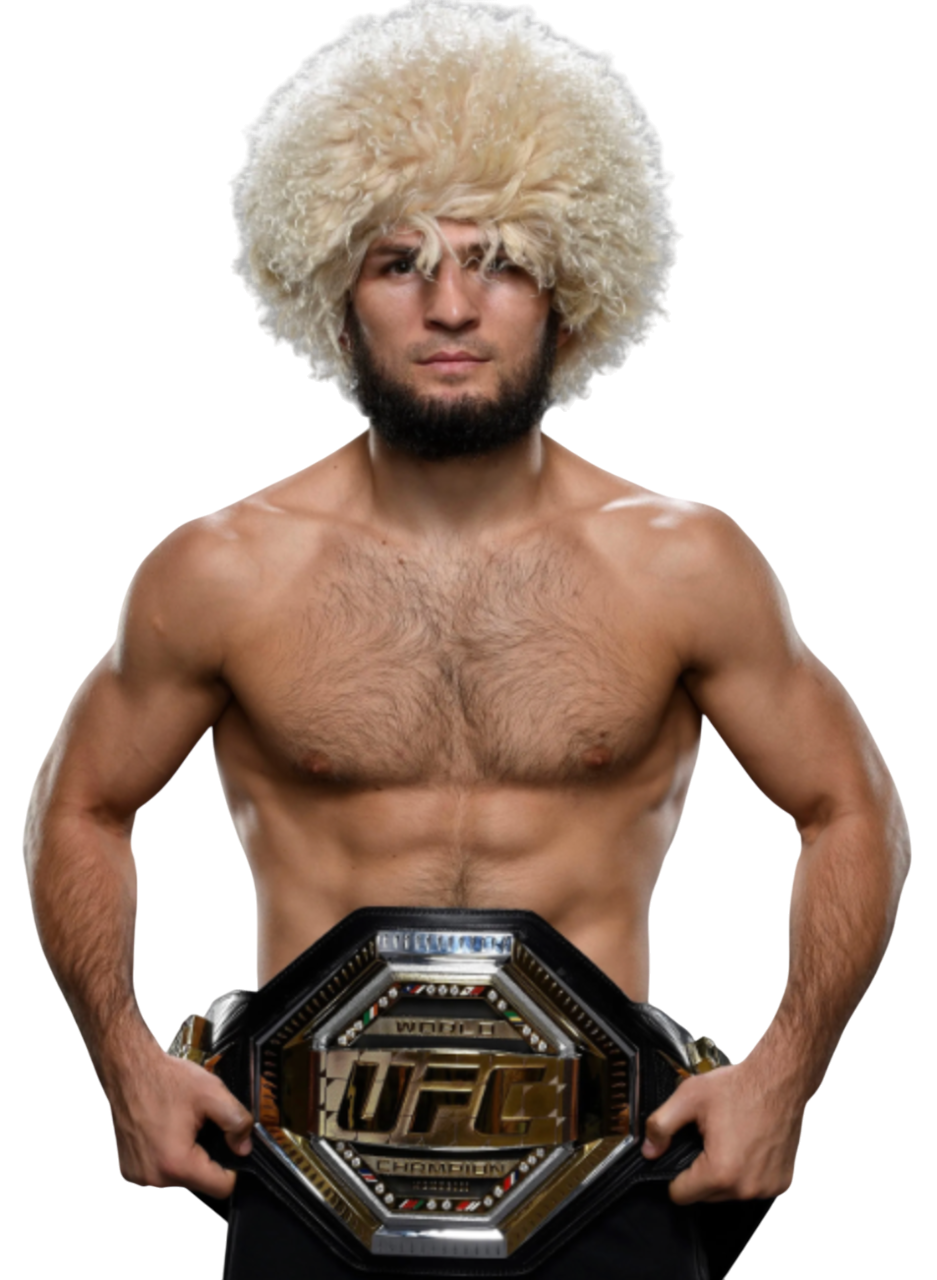
His path to the lightweight title came against Al Iaquinta at UFC 223 in a bout that was not originally scheduled as a title fight, yet delivered a historic result. Nurmagomedov won by unanimous decision, claiming the 155-pound belt and opening a championship reign that would go undefeated until his retirement from the sport.
Why it matters
- Nurmagomedov remains the only UFC lightweight champion to retire undefeated, leaving the division without a definitive answer to his dominance
- His 29-0-0 record stands as one of the most celebrated marks in combat sports history
- The anniversary serves as a reference point for how the lightweight division has evolved in the years since his departure
- As the first Russian UFC champion, his title win carried significance well beyond the division itself