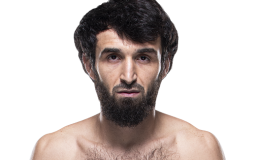

Former UFC and PRIDE champion Antonio Rodrigo Nogueira is undergoing a difficult recovery process at age 49 following surgery on both of his hip joints. The legendary fighter posted a video on Sunday, his fourth day after the bilateral hip operation, showing his rehabilitation progress. In the video, Nogueira can be seen taking careful steps as he works to regain his mobility and quality of life. The 34-12-1 veteran emphasized themes of perseverance, resilience, and discipline in his recovery journey. He is respecting the healing process while working step by step toward restored function.
Antonio Rodrigo "Minotauro" Nogueira is taking his first careful steps again after undergoing surgery on both hip joints, sharing a video of his rehabilitation progress just four days after the bilateral procedure.
The 50-year-old Brazilian legend, one of the most decorated heavyweights in combat sports history, posted footage showing himself working through early mobility exercises as he begins the long road back to full function. Nogueira expressed themes of perseverance, resilience, and discipline in the post, stating he is approaching recovery the same way he approached his fighting career — one step at a time.

Nogueira, who stands six-foot-three with a 77-inch reach, compiled a professional record of 34-10-1 across a career that spanned PRIDE FC and the UFC, where he became a two-time heavyweight champion. Representing Team Nogueira out of Brazil, he was known throughout his career as a submission specialist, averaging 2.4 submission attempts per 15 minutes. He also contributed on the feet, landing 1.95 significant strikes per minute at 42 percent accuracy, and added a takedown game that averaged 1.3 attempts per 15 minutes.
Why it matters
- Nogueira is one of the most respected figures in MMA history, and his recovery draws widespread attention from the global combat sports community.
- Bilateral hip replacement is a significant surgical undertaking, and the rehabilitation timeline for dual joint procedures is typically measured in months.
- At 50, his public documentation of the recovery process highlights the long-term physical toll that elite-level competition can place on the body well beyond an athlete's active years.