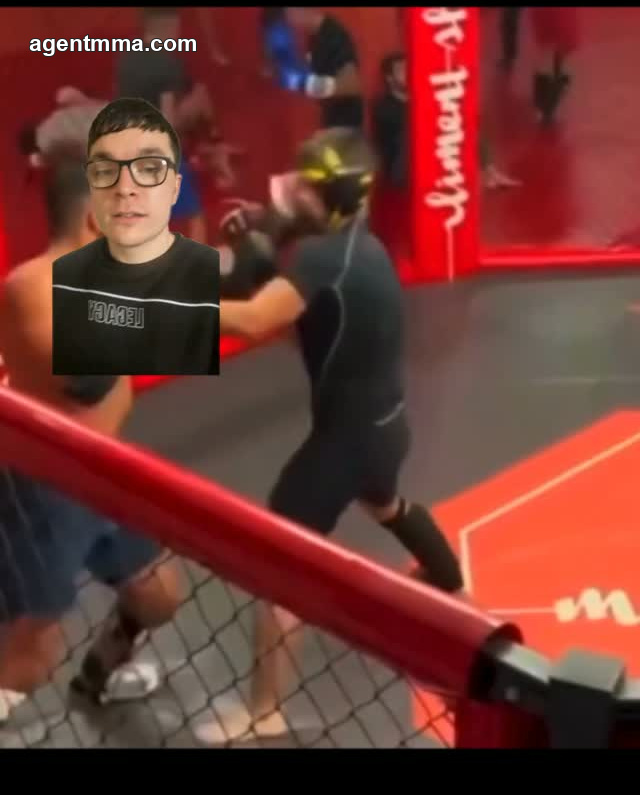

Mark Vologdin spoke about his emotions from his UFC debut fight, specifically addressing criticism about keeping his hands too low in the third round. When asked why he held his hands low despite taking many punches and his corner's warnings, Vologdin admitted he was fighting on instinct. He stated he kept thinking his opponent would not drop him even with lowered hands, acknowledging this was foolish. Vologdin said people can criticize him for leaving his health at risk or other aspects, but emphasized he chose this path himself. Despite acknowledging technical shortcomings, he expressed that he did not care about criticism and simply enjoyed the experience.
Mark Vologdin has opened up about his UFC debut performance, addressing pointed criticism over his hand placement during the third round of the fight.
The 26-year-old Russian striker, who carries a professional record of 12-4-2, made his long-awaited arrival in the UFC and did not shy away from discussing one of the more scrutinized moments of the night. Despite absorbing multiple punches and repeated warnings from his corner, Vologdin continued to fight with his hands held low. He acknowledged the mistake plainly, admitting he was operating purely on instinct and kept convincing himself his opponent lacked the power to put him down. He described that thinking as foolish.
Vologdin competes in the lower weight classes, standing five-foot-three with a 65-inch reach and fighting out of an orthodox stance. What he lacks in physical stature, he compensates for with volume and aggression, averaging an impressive 7.8 significant strikes landed per minute at a 52 percent accuracy rate — numbers that suggest a fighter who stays busy and connects cleanly.

Why it matters
- Vologdin's debut placed him under UFC scrutiny for the first time, and his technical discipline will be a key developmental question going forward.
- His striking output is among the higher volume rates in the division, but sustainable aggression requires sound defensive fundamentals.
- His willingness to publicly own the mistake, rather than deflect, signals self-awareness that could serve his development in a demanding new environment.
Vologdin made clear he takes full personal responsibility for the choices inside the cage, pushing back against outside criticism by noting the path is his alone. He closed by saying he simply enjoyed the experience, technical flaws and all.