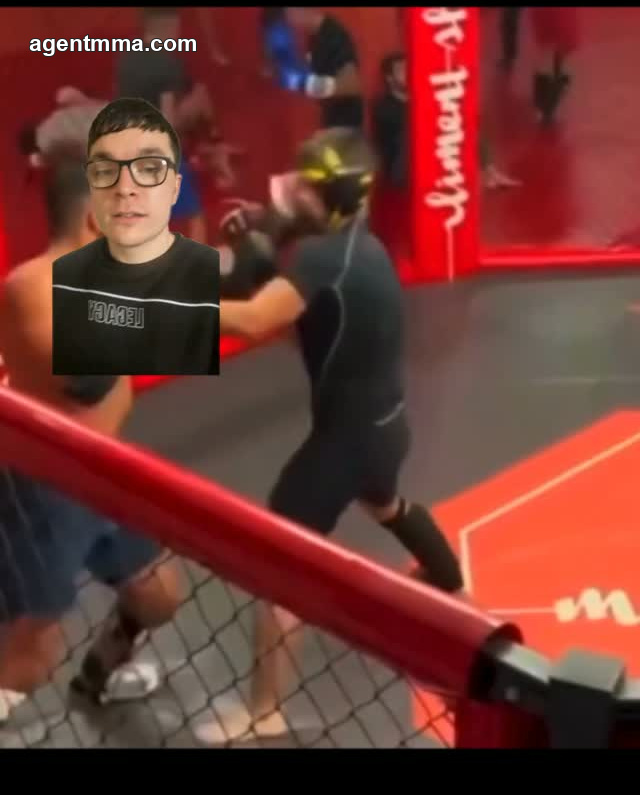

Former UFC and PRIDE champion Antonio Rodrigo Nogueira is relearning to walk following bilateral hip replacement surgery. The 49-year-old fighter, who finished his career with a 34-12-1 record, underwent operations on both left and right hip joints. Video documentation shows Nogueira on the fourth day post-surgery working through rehabilitation steps. He described the recovery process as requiring overcoming, resilience, and discipline as he pursues improved quality of life.
Antonio Rodrigo "Minotauro" Nogueira is taking his toughest fight to the rehabilitation ward, relearning to walk just days after undergoing bilateral hip replacement surgery at the age of 50.
The Brazilian legend, who competed out of Team Nogueira and built one of the most celebrated careers in heavyweight history, went under the knife on both his left and right hip joints. Video shared publicly captures Nogueira on the fourth day of his recovery, moving through early rehabilitation steps with visible effort. He described the process as demanding resilience, discipline, and the will to overcome — qualities that defined his decades inside the cage.

Nogueira stands six-foot-three with a 77-inch reach and finished his professional career with a record of 34-10-1, cementing a legacy that spanned PRIDE FC and the UFC at heavyweight. He averaged 2.4 submission attempts per 15 minutes across his career, a figure that reflects the relentless ground attack that made him one of the most dangerous heavyweights of his era. His grappling-heavy style, combined with a granite chin and comeback victories that seemed impossible in the moment, earned him championship gold on both sides of the Atlantic.
Why it matters
- Nogueira is one of the most significant figures in MMA history, and his health journey resonates across the global fight community
- Bilateral hip replacement is a major surgical undertaking, and his public documentation of the recovery brings visibility to the physical toll a long combat sports career can take
- His emphasis on discipline and resilience in describing his rehabilitation echoes the language he used throughout his fighting career, underscoring how deeply that identity remains part of who he is