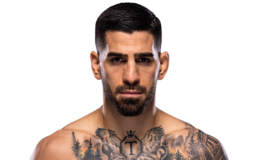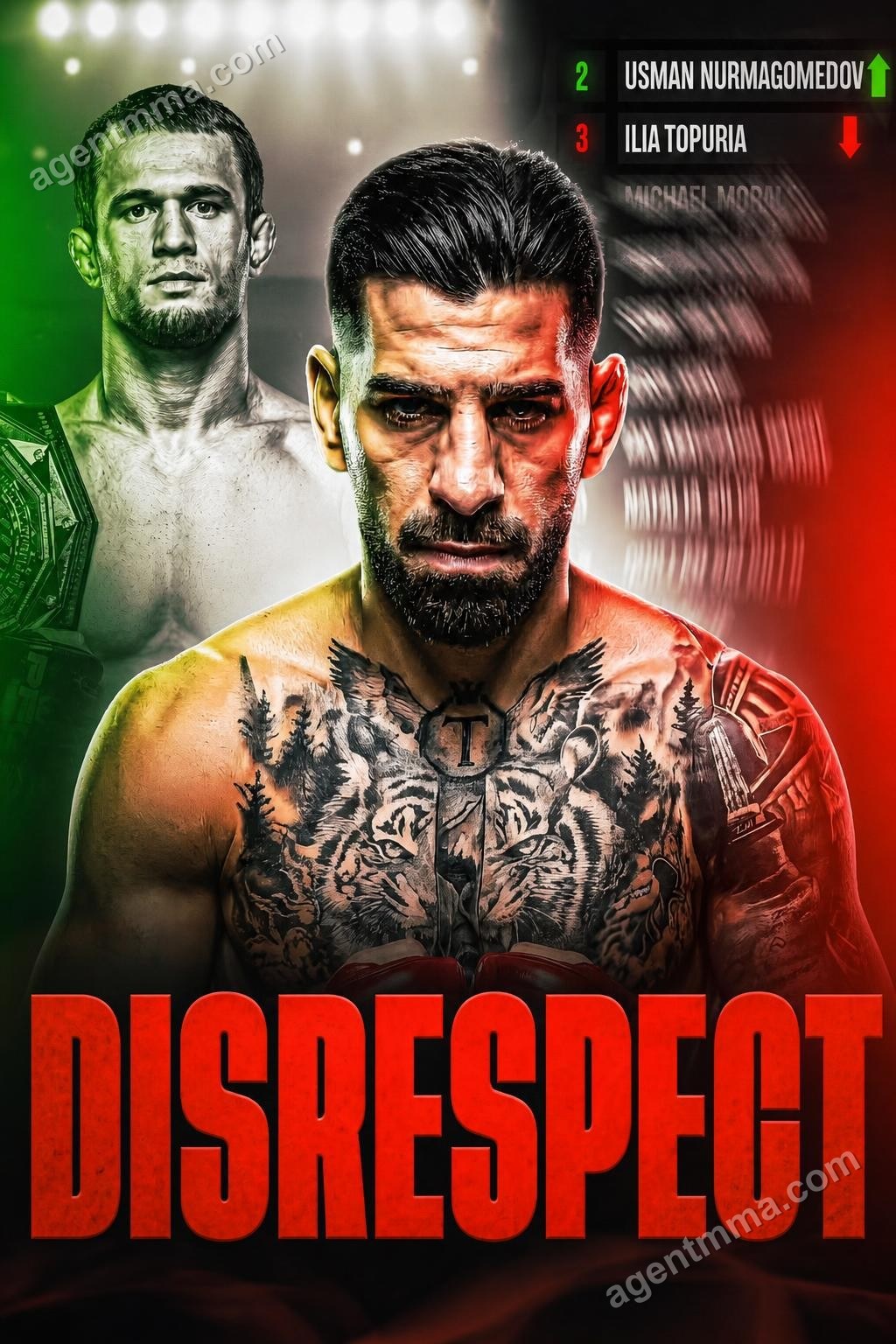

UFC featherweight champion Ilia Topuria has modified a prominent tattoo on his chest. The fighter previously had a tiger design that contained a face inside it, though the identity of the person depicted was unclear and not explained publicly. Topuria has now covered that tattoo with new artwork featuring a warrior wearing a Corinthian helmet, most likely representing a Spartan warrior from ancient Greek history. The change represents a shift from personal imagery to classical warrior symbolism. The post notes that if anyone knows the identity of the person previously depicted in the original tattoo, they should share in the comments. This tattoo modification shows Topuria's evolving personal branding and aesthetic choices.
Ilia Topuria has made a significant change to his body art, replacing a tiger chest tattoo — which contained a human portrait whose subject was never publicly identified — with new artwork depicting a warrior clad in a Corinthian helmet, widely associated with ancient Spartan imagery.
Topuria, known as "El Matador," currently sits at number one in the pound-for-pound rankings and is ranked second in the lightweight division. The 29-year-old Spanish fighter carries a professional record of 17 wins and one loss, and has built a reputation as one of the most well-rounded attackers in the sport, averaging 4.81 significant strikes per minute at a 48 percent accuracy rate, while also threatening consistently on the ground with nearly two takedowns per 15 minutes and over one submission attempt per 15 minutes.

The original tattoo featured a tiger design with a face embedded within it, though Topuria never offered a public explanation of who was depicted. The new piece trades that personal imagery for the figure of a helmeted warrior, a symbol drawn from classical antiquity. The shift moves away from whatever private meaning the original portrait held and toward something more universal in its symbolism of martial identity and discipline.
Why it matters
- Topuria is the sport's current number one pound-for-pound fighter, meaning his public image and personal branding draw considerable attention
- The removal of an unidentified portrait eliminates a recurring point of speculation among fans and media
- The choice of a Spartan warrior motif reinforces the warrior identity central to how Topuria presents himself as a competitor