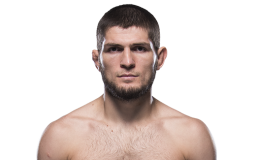
Colby Covington has been officially removed from the UFC welterweight rankings due to prolonged inactivity. Covington last fought in 2024 when he suffered a stoppage loss to Joaquin Buckley. Since that defeat, Covington has not competed inside the octagon. Instead, he has been involved in a lawsuit with Jorge Masvidal and has made appearances at RAF events. The UFC typically removes fighters from rankings after extended periods without booking fights. Covington's removal reflects the promotion's policy on fighter activity and ranking eligibility.
Colby Covington has been dropped from the UFC welterweight rankings, with the promotion cutting the 38-year-old from its official divisional listings after an extended period without a scheduled fight.
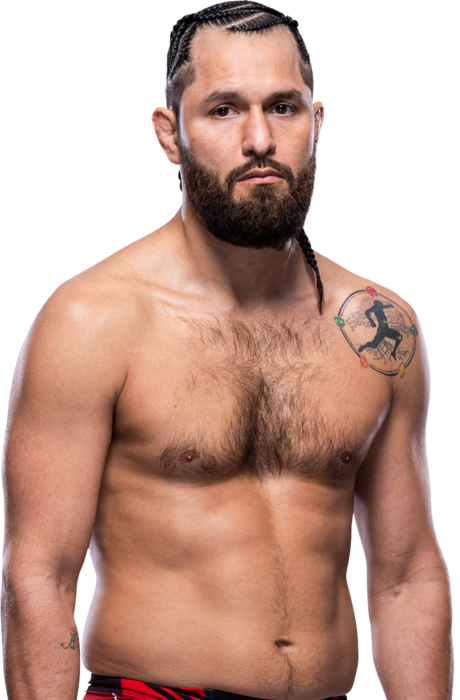
Covington, who fights out of MMA Masters, carries a professional record of 17-5 and built his reputation as one of the welterweight division's most relentless pressers. Standing five-foot-eleven with a 72-inch reach, he averaged 3.64 takedowns per 15 minutes throughout his career — one of the higher rates in the division — alongside 3.81 significant strikes landed per minute. His last octagon appearance came in 2024, when he suffered a stoppage loss to Joaquin Buckley. Since that defeat, he has not booked a return bout. Off the competitive radar, Covington has been engaged in a legal dispute with Jorge Masvidal and has made appearances at RAF events.
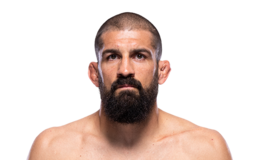
Buckley, the man who handed Covington that most recent loss, currently sits ranked 11th in the welterweight division at 32 years old. The southpaw holds a 21-8 record and generates 3.88 significant strikes per minute with a 76-inch reach, making him a dangerous finishing threat at 178 cm.

Masvidal, whose name surfaces in connection with Covington's ongoing lawsuit, is a 41-year-old veteran out of American Top Team carrying a 35-17 record. The orthodox striker lands 4.05 significant strikes per minute at 47 percent accuracy.

Why it matters
- Covington's removal opens a ranking slot and shifts the welterweight top-15 landscape heading into 2026.
- The UFC's inactivity policy applies uniformly, signaling that prolonged absences carry tangible competitive consequences regardless of a fighter's prior profile.
- A return bout, should Covington pursue one, would likely require him to work back into ranked contention rather than stepping straight into a title-adjacent matchup.