
Bellator fighter Vadim Nemkov stated in an interview that Alexander Ovechkin is currently more recognizable in America than Khabib Nurmagomedov. Nemkov explained that hockey is widely played by children in the United States, and Ovechkin's recent record-breaking achievements keep him in the news constantly. He noted that Khabib, having retired, no longer appears in headlines as frequently. Nemkov believes both athletes would be recognized in America, but gave the edge to the NHL star. The comments highlight the different trajectories of retired versus active athletes in public consciousness.
Bellator light heavyweight Vadim Nemkov sparked an interesting cultural debate this week, arguing that NHL superstar Alexander Ovechkin currently enjoys greater name recognition in the United States than retired UFC legend Khabib Nurmagomedov.
Nemkov, a 32-year-old Russian fighter who carries a 19-2 record and competes at light heavyweight, made the remarks in a recent interview. Standing six feet tall with a 76-inch reach, Nemkov reasoned that hockey has deep grassroots roots in America, with children across the country growing up playing the sport. He pointed to Ovechkin's record-breaking achievements continuing to generate consistent headlines, keeping the Washington Capitals star firmly in the public eye.
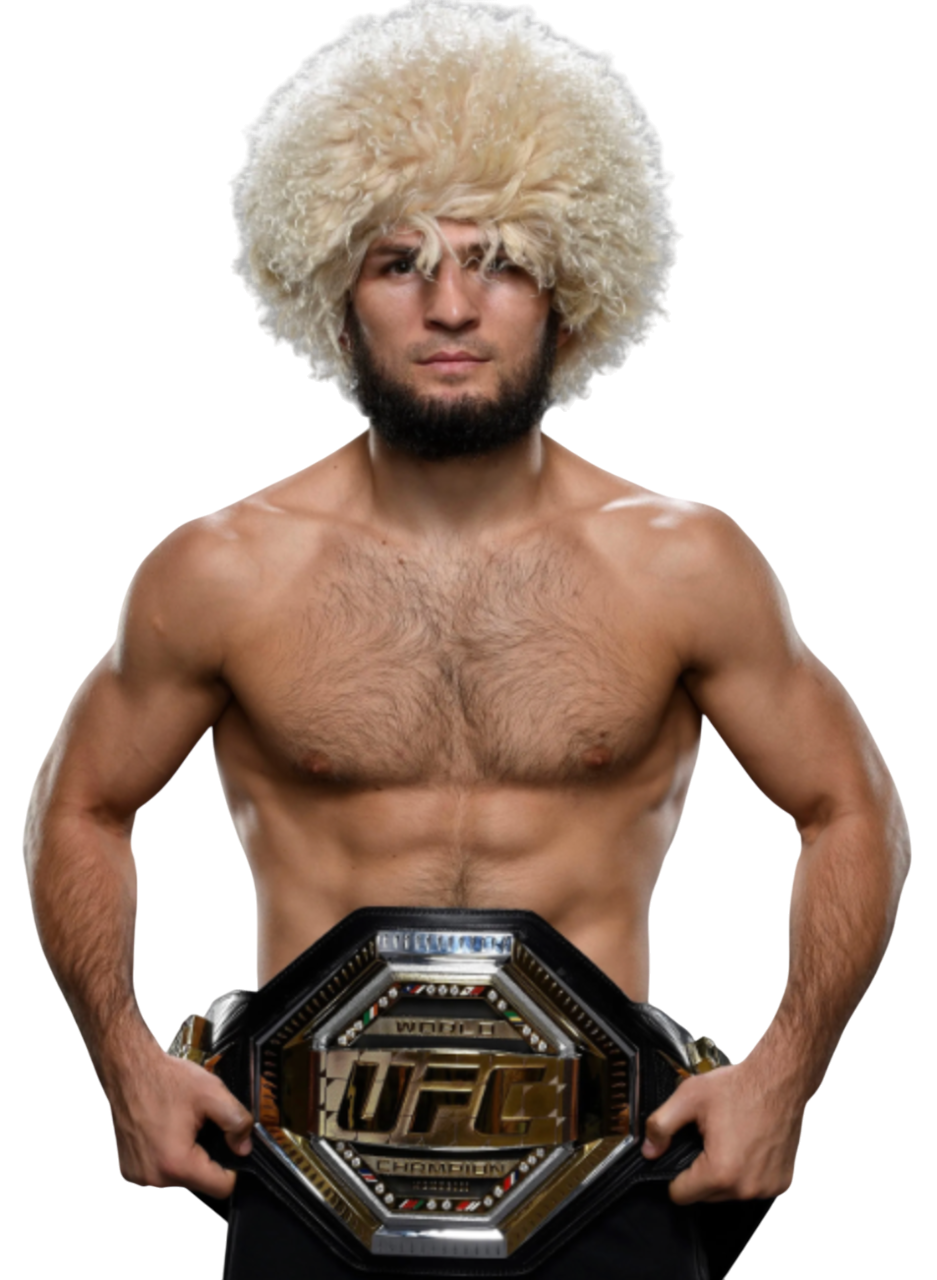
Khabib Nurmagomedov, the 37-year-old Russian who retired with a perfect 29-0 record and remains one of the most decorated fighters in UFC history, is no longer producing news through active competition. Nemkov acknowledged that Khabib would still be recognized by Americans, but suggested the edge currently belongs to Ovechkin simply because of ongoing media coverage surrounding an active athlete chasing and breaking historical milestones.
Why it matters
- The comparison highlights how retirement affects an athlete's visibility in markets where their sport has limited mainstream reach.
- Khabib's 29-0 record and dominance — including 5.32 takedowns per 15 minutes — made him a crossover name, but activity drives relevance in crowded sports media landscapes.
- Nemkov's comments reflect a broader question about MMA's cultural footprint in North America compared to hockey, which has a long-established youth participation base.
The remarks underscore a genuine challenge for combat sports figures: once the fights stop, so does the headline machine, regardless of how dominant a career was.