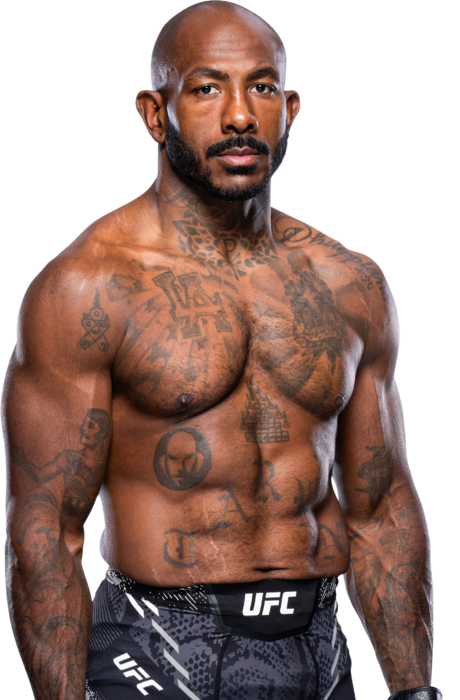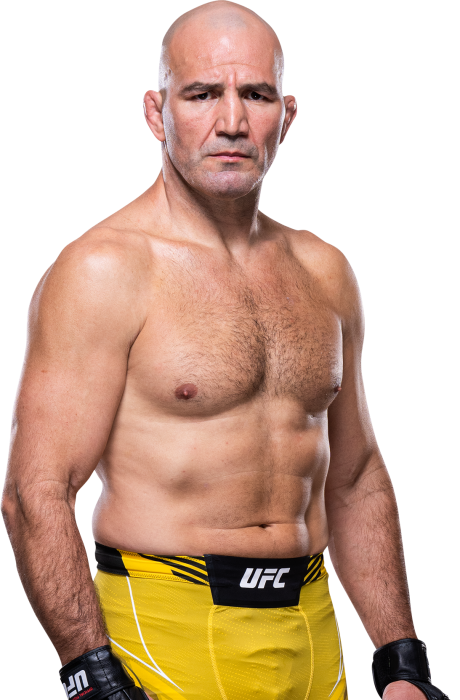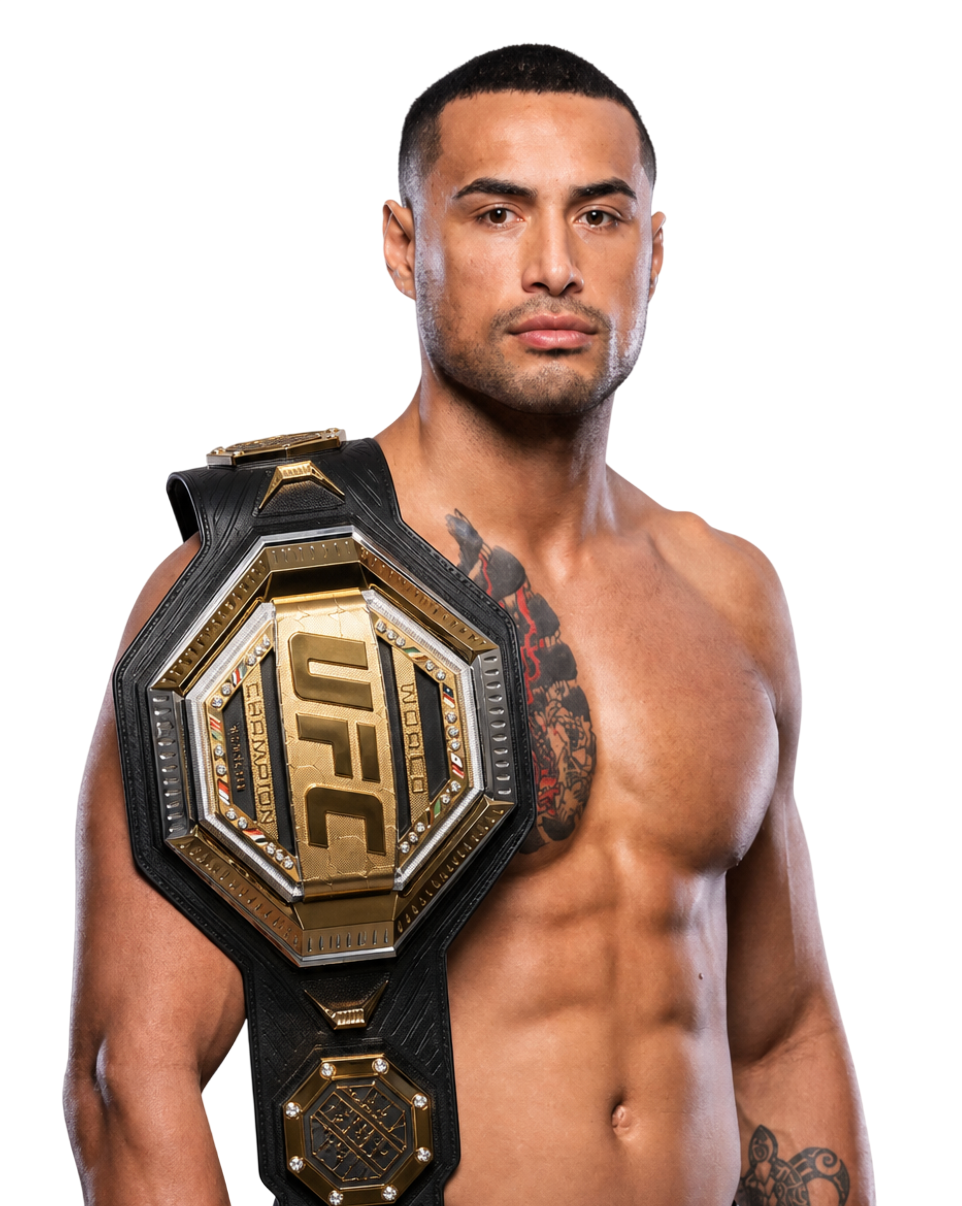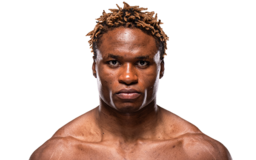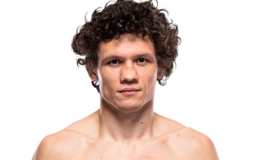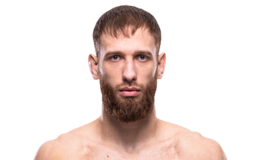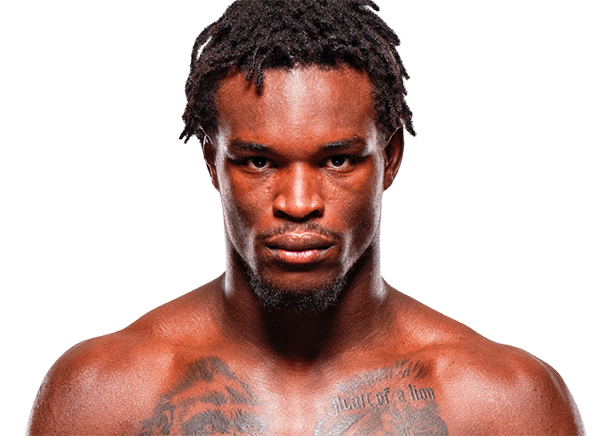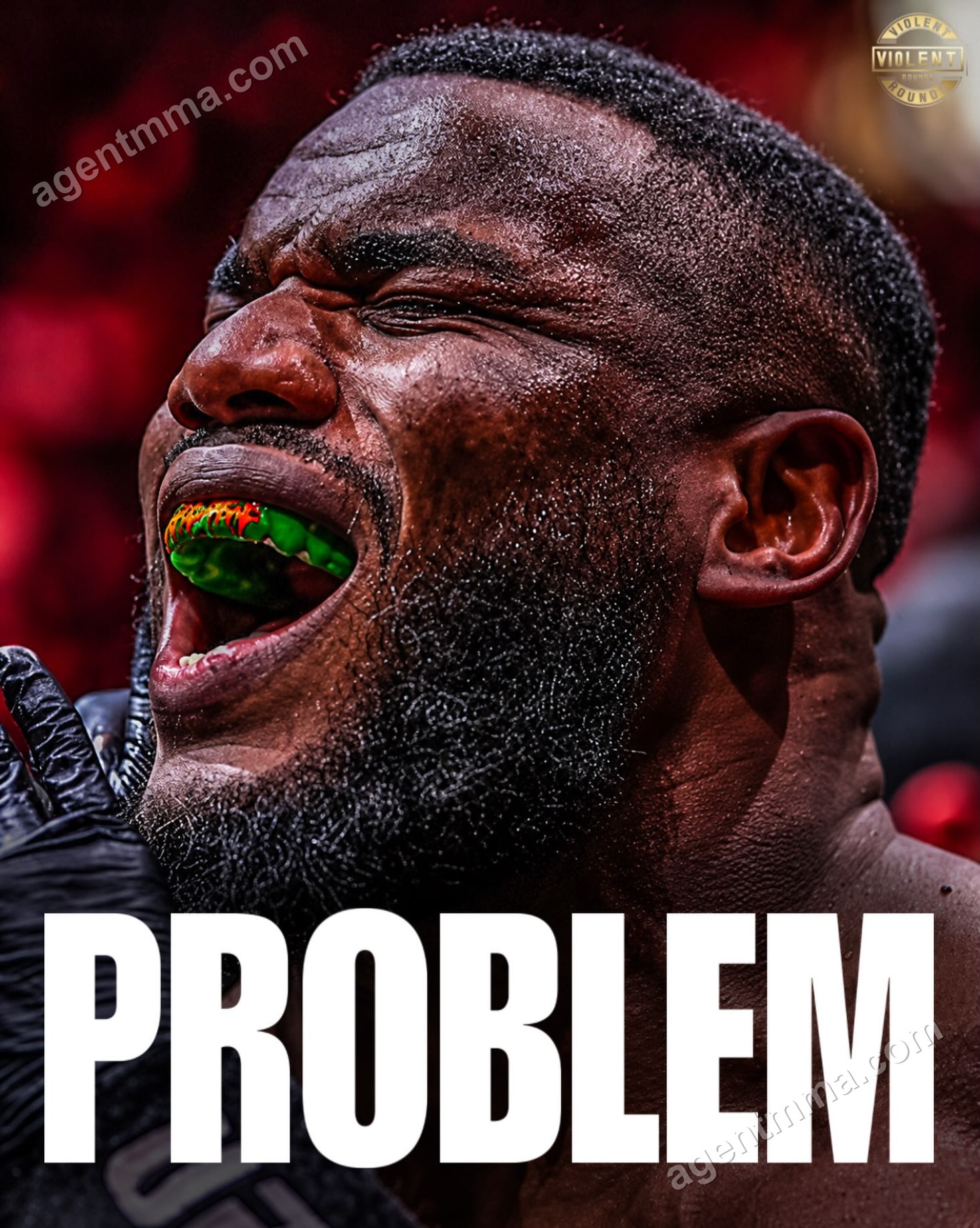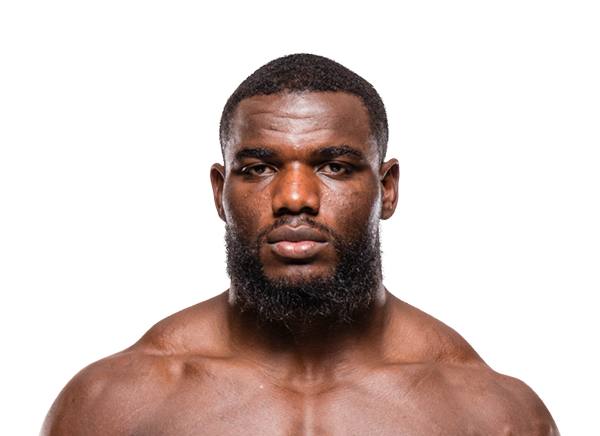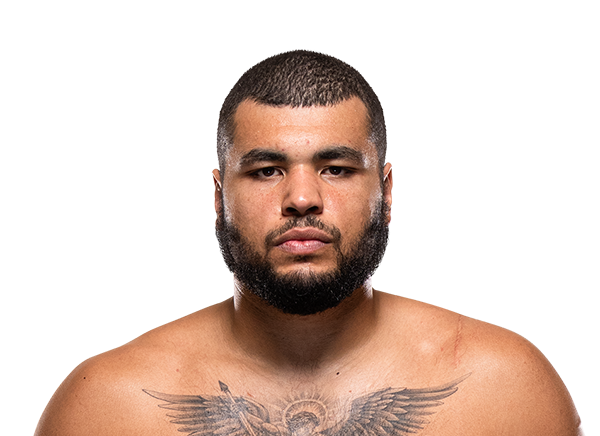

Jiri Prochazka has successfully come from behind to win in four of his eight UFC bouts. He knocked out Volkan Oezdemir in the second round after losing the first. Against Glover Teixeira, he was losing on the scorecards before securing a submission in the fifth round. He also knocked out Aleksandar Rakic in the second round after dropping the first, and most recently knocked out Khalil Rountree in the third round after losing the first two rounds. The post suggests fans are anticipating another comeback finish from Prochazka, though some believe his opponent Carlos Ulberg will not forgive a slow start.
Jiri Prochazka has built one of the most distinctive patterns in the UFC light heavyweight division: fall behind, then finish. Data from his eight-fight UFC tenure shows the Czech contender has mounted successful comebacks in four of those bouts, turning early adversity into late-fight stoppages on each occasion.

The 33-year-old from Brno carries a professional record of 32-6-1 and currently sits ranked second in the light heavyweight division. At six-foot-three with an 80-inch reach, Prochazka is one of the more physically imposing fighters in the weight class, and his output reflects his aggressive style — he lands 5.69 significant strikes per minute at a 55 percent accuracy rate.
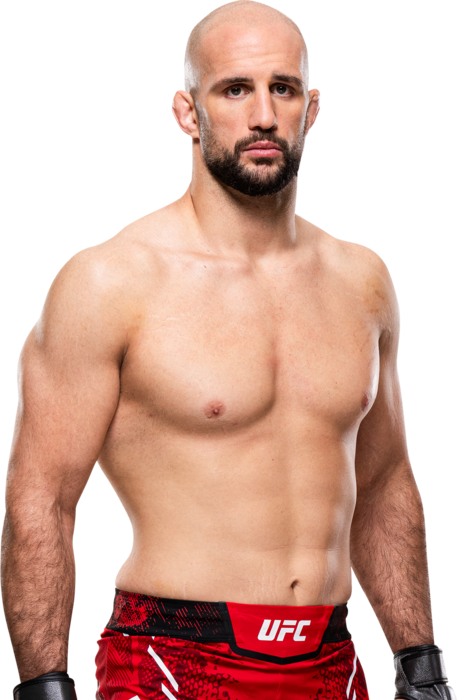
The comeback pattern runs through some of the biggest wins of his UFC career. Against Volkan Oezdemir, ranked ninth in the division, Prochazka dropped the opening round before stopping him in the second. His title-winning performance against Glover Teixeira saw him trailing on the scorecards deep into the fight before submitting the Brazilian champion in the fifth round. A second-round knockout of Aleksandar Rakic followed a similar script — Prochazka ceded the first frame to the six-foot-four Austrian before finishing him. Most recently, he came back from dropping the first two rounds to stop Khalil Rountree in the third.

Why it matters
- Prochazka's comeback tendency is now a documented pattern across half his UFC appearances, not an isolated incident.
- His next opponent, Carlos Ulberg, will be aware of this trend — the question is whether Ulberg can sustain pressure and deny Prochazka the time he typically needs to find his rhythm.
- A slow start against a sharp, disciplined opponent carries real risk for the number-two ranked contender, even given his finishing ability.